

I have spent years attending trade shows and networking mixers. I often see companies leave with stacks of business cards but no real plan. They walk away with potential, yet they fail to turn that potential into profit.
Building a strong lead database after events is the most important step in your entire event strategy. Without a clean and organized list, your hard work at the booth goes to waste. In this guide, I will share ten professional secrets to help you manage your data.
We will look at how to verify leads, enrich profiles, and ensure your sales team actually wins new business.
Before we dive into the tactics, let us look at why this matters. A high-quality database allows for better customer engagement. It helps you send the right message to the right person.
If your data is messy, your follow-up will feel generic and cold. I want to help you change that. Let us explore the core principles that make a database truly powerful.
1. Core Principles of a Strong Post-Event Database
A great database is more than just a list of names. It is a living tool that helps your business grow. Building a strong lead database after events requires you to first define what accurate data looks like.
For me, strong data is accurate, complete, and easy to use. It should tell you exactly who the person is and what they need from you.
Defining Data Strength and Actionable Benchmarks
I always tell my clients to set clear benchmarks. You should not just count how many leads you gathered. Instead, look at the quality of those leads.
Are the email addresses valid? Do you have their job titles? Actionable data allows your team to move quickly.
If a lead is missing a phone number, it slows down your sales conversion. Aim for a 95% completion rate on all primary contact fields.
Building a Unified Single Source of Truth
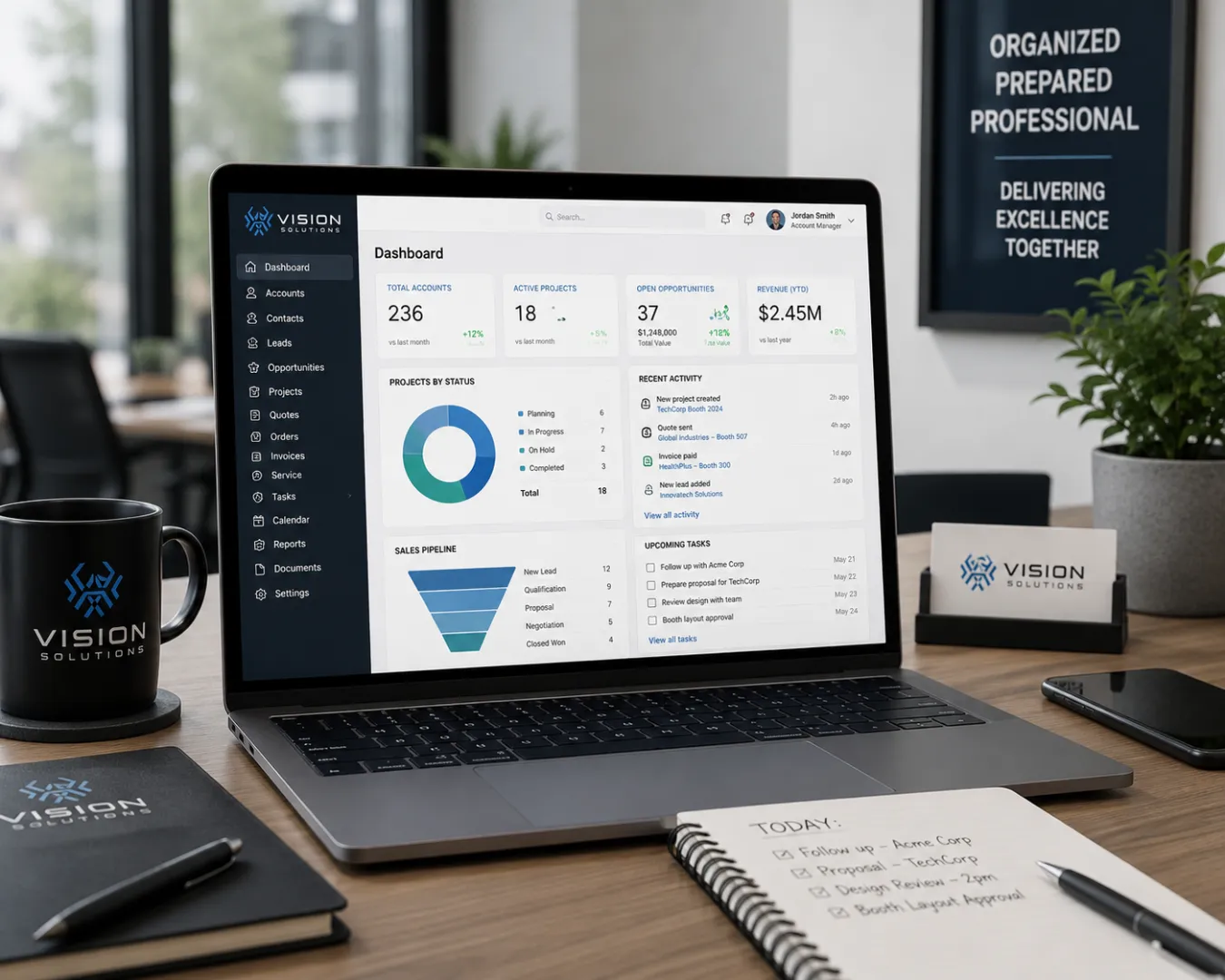
The biggest mistake I see is data silos. One person has a spreadsheet, while another has a stack of cards. A strong lead database after events starts with a single source of truth — your CRM.
CRM optimization starts by making sure every lead enters the same system. When everyone looks at the same data, mistakes happen less often. This unified view is the foundation of professional data management.
2. Tactical Collection and Rapid Verification Processes
To build a strong lead database after events, you must collect data efficiently while the show is still happening. If you wait until you get back to the office, you will forget details. I suggest using digital tools to capture information instantly.
This reduces human error and saves time later. It also makes the lead nurturing process much smoother from the start.
Consolidating Digital and Physical Lead Sources
Events often provide leads in different formats. You might get a list from a badge scanner or hand-written notes from a meeting. I recommend consolidating these sources every evening of the event.
Do not wait until the end of the week. Consolidating lead sources every day is what separates teams that build a reliable post-event database from those that lose leads along the way. This helps with better prospect tracking as you move forward.
Standardizing Intake via Lead Retrieval Apps
Most modern events offer lead retrieval apps. Use them. These apps scan badges and pull data directly into a digital format.
A strong post-event lead database depends on every team member capturing the same data fields, which is made easy with lead retrieval apps. You can even add custom fields to these apps. For example, you can tag a lead as “hot” or “warm” during the conversation.
Running Automated Data Hygiene Protocols
Data hygiene is the process of cleaning your list. I use automated tools to find and fix errors. These tools can fix typos in names or formatting errors in phone numbers.
Clean data is the backbone of a strong lead database after events, which is why automated hygiene protocols matter. If your data is dirty, your automated emails might end up in the spam folder. Spend time cleaning your list before you start your outreach.
Verifying Email Deliverability Instantly
There is nothing worse than a bounced email. I always run my event lists through an email verification service. You cannot build a strong lead database after events if your emails bounce — verify deliverability before any outreach begins.
Many people give out old or fake emails at events. By verifying them instantly, you protect your sender reputation. It also helps you focus your time on real prospects.
| Step | Action | Benefit |
| 1 | Daily Consolidation | Keeps data fresh and prevents loss. |
| 2 | App Standardization | Ensures consistent data across the team. |
| 3 | Automated Hygiene | Removes errors and duplicates quickly. |
| 4 | Email Verification | Guarantees deliverability for follow-ups. |
3. Deep Enrichment and Professional Data Appending
A name and an email are just the beginning. To really win, you need to know more about the person. This is where data enrichment comes in.
Enriching profiles with firmographic intelligence is what makes a strong lead database after events truly actionable for sales. I use external tools to add more details to my lead profiles, making your client database much more valuable to your sales team.
Expanding Lead Profiles with Firmographic Intelligence
Firmographic data includes things like company size, industry, and annual revenue. I find that knowing these details helps with contact segmentation. You can group small businesses together and handle enterprise leads differently.
This intelligence allows you to tailor your pitch. It shows the prospect that you understand their specific business environment.
Identifying Key Organizational Stakeholders
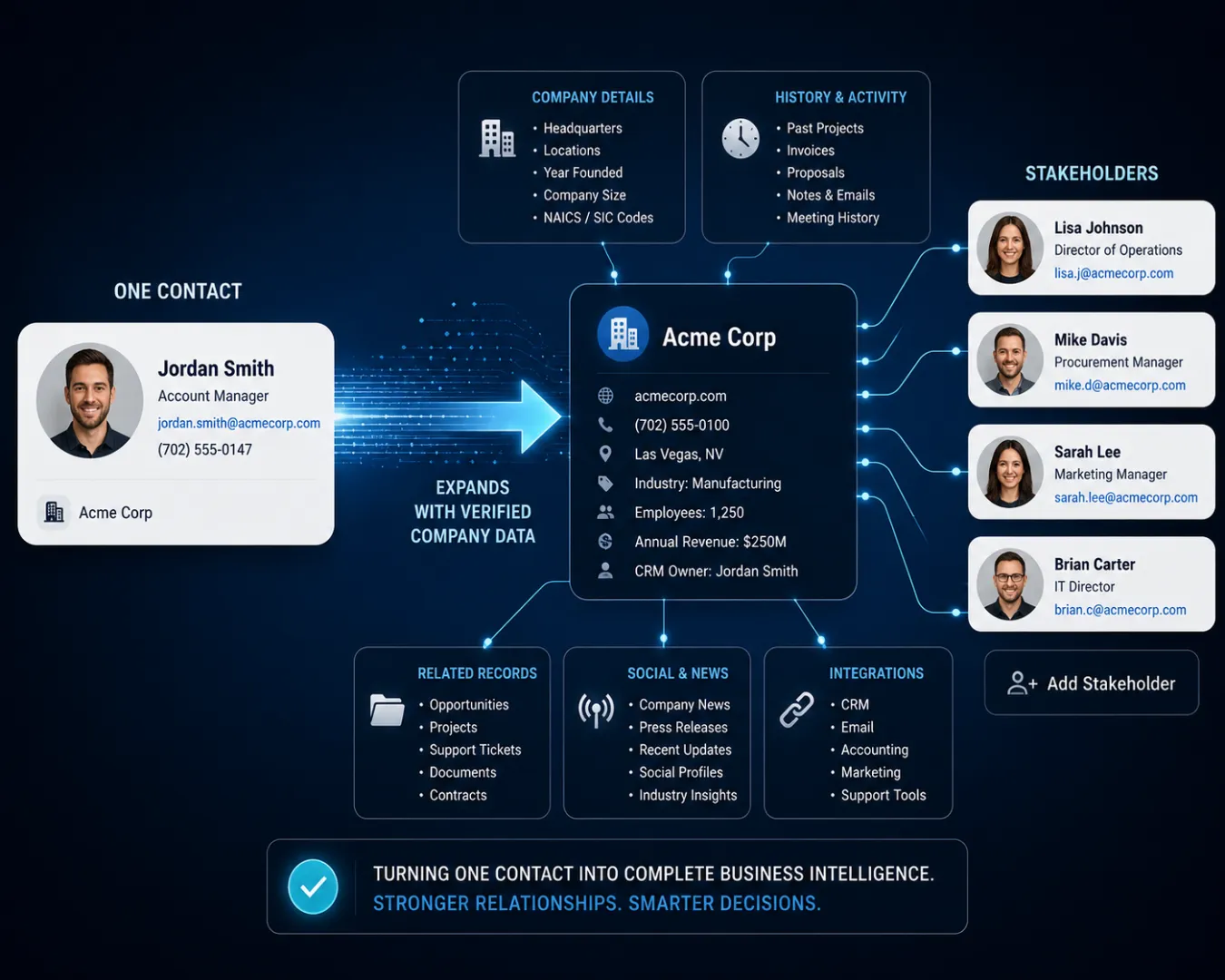
Often, the person you meet at an event is not the only decision-maker. A strong lead database after events means knowing not just who you met, but who else in that organization holds buying power.
I use enrichment tools to find other stakeholders in the same company. If I meet a manager, I might also look for the director or VP. It turns a single contact into a deep organizational lead.
4. Strategic Scoring and Lead Segmentation Models
Not every lead is created equal. Some people are ready to buy today, while others are just browsing. Scoring and segmenting leads is how you turn a strong lead database after events into real sales pipeline.
I use lead scoring to tell the difference. A strong lead database after events is only as useful as the priority system you layer on top of it — so focus on the leads with the highest chance of turning into a sale.
Applying Behavioral Scoring to Event Interactions
I assign points to leads based on how they interacted with us. Did they attend our demo? Give them ten points. Did they just take a free pen? Give them one point.
This behavioral scoring is a secret to high sales conversion. It tells you who is truly interested. Your sales team will thank you for giving them the best leads first.
Segmenting Prospects by Buyer Intent and Needs
Segmentation is the key to personalizing your event follow-up. I group leads based on what they talked about at the booth. Some might be interested in a specific product, while others want a service.
By segmenting by need, you can send very targeted emails. This feels much more helpful to the prospect than a generic “thanks for visiting” message.
5. High-Impact Activation and Follow-up Systems
Your database is only useful if you use it. I have seen great lists sit idle for weeks. Activating your list quickly is the final step in turning a strong lead database after events into closed revenue.
You must reach out while leads still remember you. A fast response time is the hallmark of a professional team and sets the tone for the rest of your relationship with the client.
Orchestrating Personalized Multi-Channel Sequences
I do not just rely on email. I use a mix of LinkedIn messages, phone calls, and emails. This is called a multi-channel sequence.
I find that a variety of touchpoints increases response rates. Make sure each message feels personal. Mention something specific about the event or the conversation you had. This builds trust and shows you were listening.
Standardizing the Marketing to Sales Hand-off
The transition from marketing to sales can be messy. I create a clear hand-off document for my team. This defines when a lead is ready for a sales call.
It also ensures that all the data we gathered is passed along. If sales knows the lead’s pain points, they can close the deal faster. Clear communication between teams is vital for success.
6. Sustainability Tactics and Database Intelligence FAQs
Lead data goes stale very quickly. People change jobs and companies go out of business. I make it a habit to audit my database every few months.
Proactive data hygiene ensures your strong lead database after events stays accurate long after the event floor closes. Sustainability is about keeping your data healthy over time.
Proactive Strategies to Combat Lead Decay
Lead decay is a natural part of business. I combat this by using automated tools that track job changes on LinkedIn. If a lead moves to a new company, I update my record.
I also remove contacts that have not engaged with us in a year. A smaller, clean list is always better than a large, messy one. Focus on quality over quantity.

Common Questions on Post-Event Data Management
Should you stage leads before CRM entry?
Yes, I believe you should. I often use a separate spreadsheet or a “staging” area in the CRM. This allows me to clean the data and verify emails before they mix with my main records. It prevents your primary database from getting cluttered with bad information.
How often should event data be audited?
I recommend a full audit once a quarter. However, you should do a “mini-audit” after every major event. Check for duplicates and ensure all new fields are filled out correctly. Regular maintenance saves you a lot of headache in the future.
What is the best way to handle duplicate leads?
Most CRMs have a “merge” feature. I always check for duplicates before importing a new list. I look for matching email addresses or phone numbers. Always keep the most recent interaction data while preserving the history of the contact.
Key Takeaways for Managing Your Database
- Always use a digital lead capture tool for speed and accuracy.
- Verify email addresses before you start your follow-up campaigns.
- Enrich your leads with firmographic data to help your sales team.
- Use behavioral scoring to prioritize the hottest prospects.
- Audit your database regularly to fight against lead decay.
Managing your data does not have to be a chore. If you follow these secrets, you will find that your events become much more profitable. I have seen these steps work for small startups and large corporations alike.
The secret is consistency and attention to detail. When you respect your data, your data will reward you with new customers. Building a strong lead database after events is the best investment you can make for your marketing future.
Start today by organizing your very next event list with these professional tips. You will see the difference in your conversion rates and your team’s morale right away.


6 Critical Strategies for Mastering IoT Foot Traffic Sensors: The Ultimate 2026 Accuracy Guide
11 Strategic Remote Store Performance Analytics Tactics to Revolutionize Retail Growth
7 Best Offline Foot Traffic Sensor Technologies to Maximize Retail Performance
15 Powerful Tactics to Ignite Your Event Lead Follow-up and Maximize Revenue
7 High-Impact Strategies to Scale Revenue with Lead Capture Automation
10 Essential Variables for a Reliable KPI for Beauty Booth Evaluation