
I know how much energy you put into planning a successful event. You spend months on logistics and booth design. Your team spends days talking to potential customers.
However, the real work begins once the doors close. I have seen many companies lose thousands of dollars because they ignored their leads. A strong event lead follow-up ensures that your hard work turns into real profit.
In this guide, I will share fifteen tactics to help you close more deals.
The goal is simple. You want to stay top-of-mind. You want to build trust quickly. Most importantly, you want to move people through your sales pipeline. Follow these steps to transform your post-event outreach today.
1. Building a Data-Driven Event Lead Follow-up Foundation
I always start with the data. You cannot treat every lead the same way. Some people are ready to buy right now. Others were just looking for a free pen.
You must segment your list to be effective. This is the first step in a professional event lead follow-up strategy.
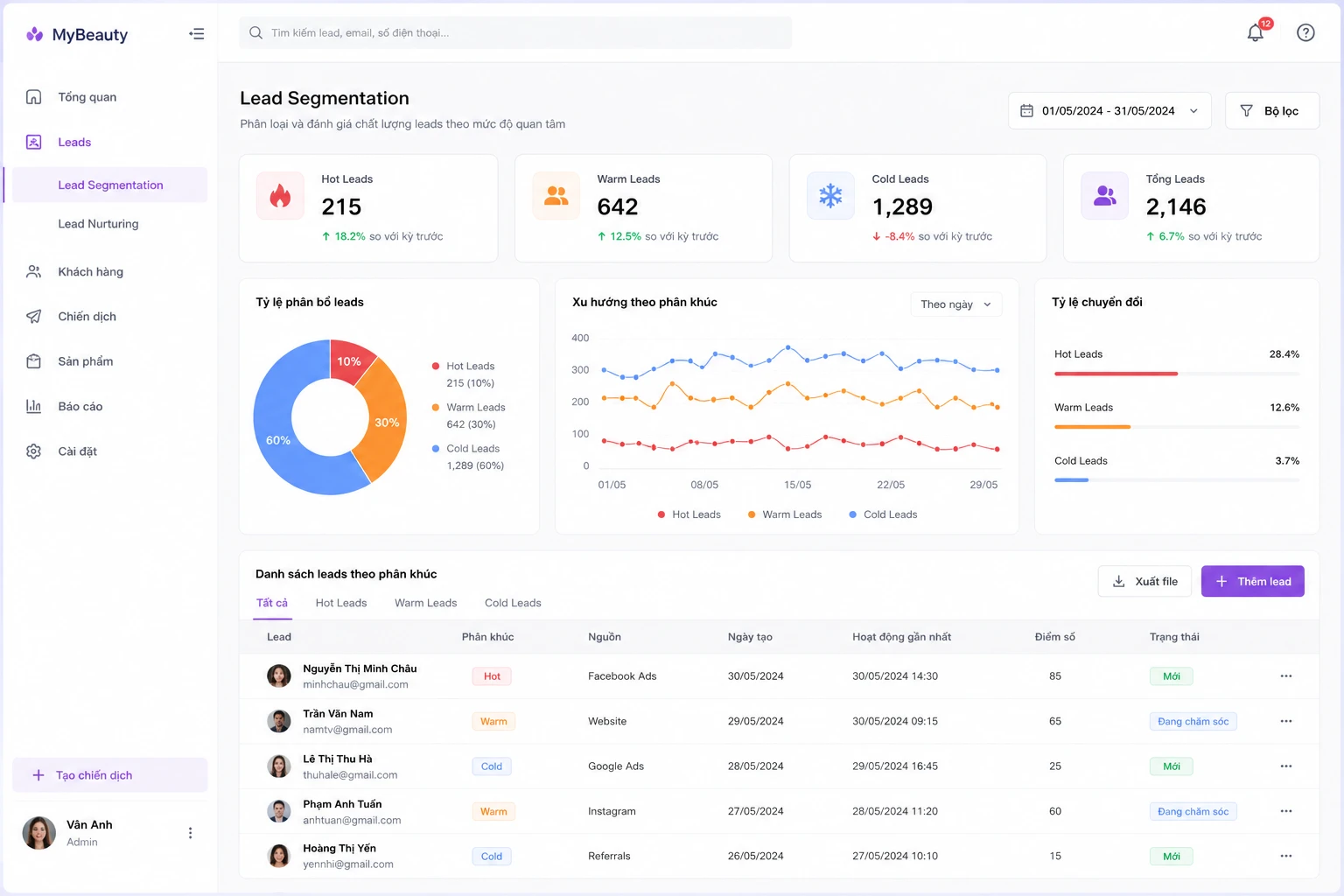
I suggest using a simple grading system. Mark your leads as Hot, Warm, or Cold. Hot leads need a phone call within 24 hours. These are the people who asked for a demo or a quote.
Warm leads are interested but need more lead nurturing. Cold leads are just general contacts for your long-term communication plan.
Segmenting Your Leads for Targeted Messaging
I find that personalization works best when you group people by interest. Did they attend a specific talk? Did they scan their badge at a certain product demo?
Use this data to tailor your message. This approach makes your client engagement feel personal rather than generic.
Categorizing your hot leads ensures you do not miss big deals. I recommend calling them immediately. Do not wait for a mass email to go out.
Nurturing warm leads requires personalization techniques. You can send them industry articles that solve their specific problems. For cold leads, I suggest monitoring their interest over several months. A slow and steady approach often wins them over later.
2. Deploying a 5-Step Multichannel Outreach Sequence
I believe that one email is never enough. You need a multi-touch approach to get a high conversion rate. Most people are busy after a conference. They might miss your first message.
A well-executed event lead follow-up system separates high-performing teams from the rest.
Timing your touchpoints is critical for timely responses. If you wait too long, they will forget who you are. If you message too much, you might annoy them.
I follow a specific schedule that balances persistence with respect. This method keeps the conversation moving forward without being pushy.
Your event lead follow-up sequence should be mapped out before the conference begins. Here is the schedule I use:
- Day 1: The Personalized Appreciation Email. Send a short note thanking them for their time. Mention a specific detail from your conversation.
- Day 3: The LinkedIn Connection. Reach out on LinkedIn. Include a personal note about the event. This builds your social client engagement.
- Day 5: The Value-Driven Phone Call. Call to offer a helpful resource or a video message. Focus on helping them, not selling to them.
- Day 7: The Direct Sales Discovery Offer. Ask for a brief meeting to discuss their goals. This is where you move them deeper into the sales pipeline.
- Day 14: The Final Re-engagement or Pivot. If they have not replied, send one last helpful resource. Then, pivot them to your monthly newsletter list.
This sequence creates multiple opportunities for lead nurturing. It shows that you are professional and dedicated.
I have found that Day 3 and Day 5 are often where the best conversations happen. Many people appreciate the effort of a phone call or a LinkedIn message.
3. Implementing 4 High-Conversion Professional Templates
I recommend having templates ready before the event even starts. This allows your team to move quickly. However, you must customize these scripts.
A template is just a starting point. Your personalization techniques are what will actually close the deal.
I use four main types of templates. Each one serves a different purpose in the communication plan. These scripts help your sales team feel confident. They also ensure that your brand voice stays consistent across all outreach.
Customizing Scripts Based on Booth Interactions
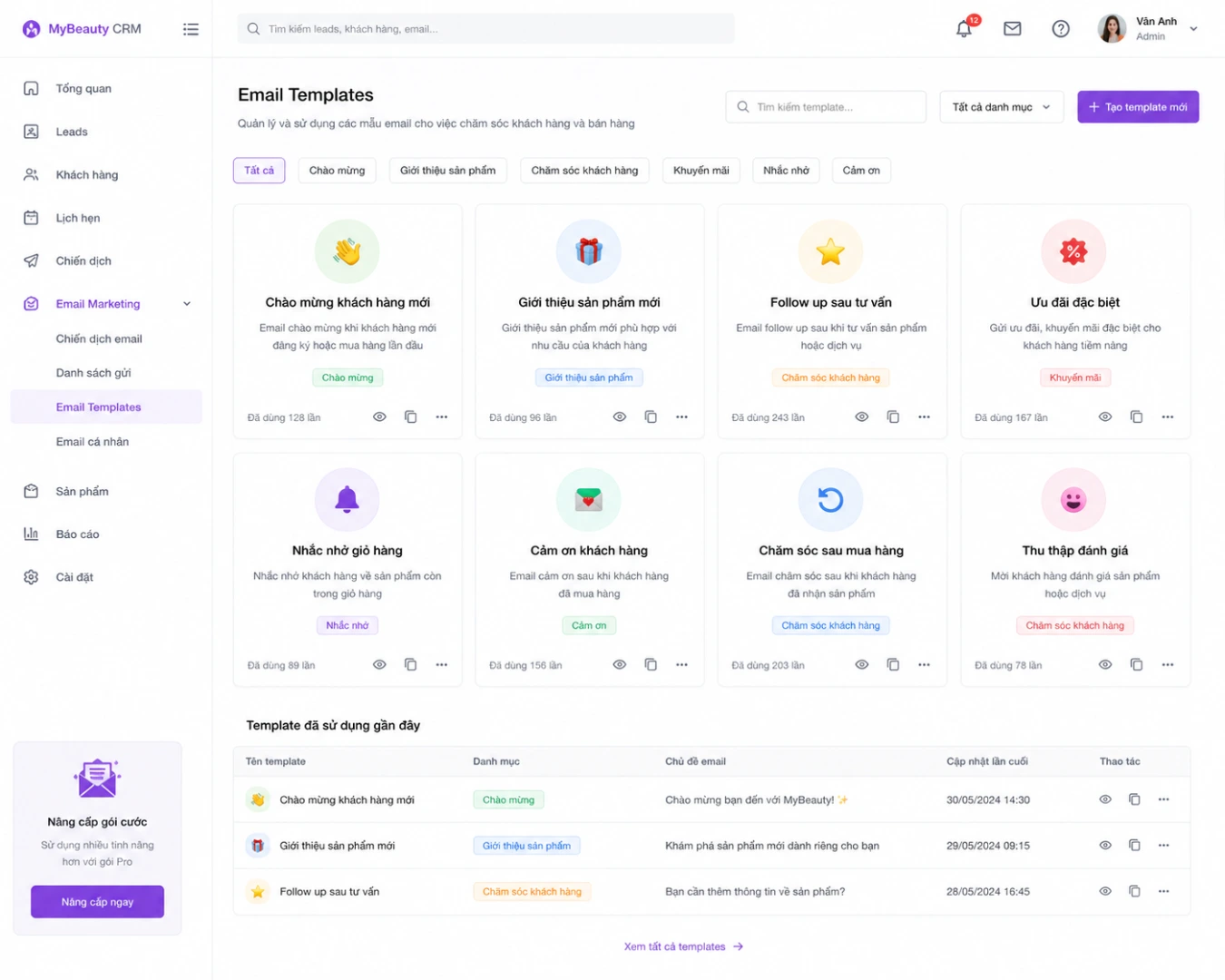
The first template is the Detailed Conversation Recap. I use this for people I spoke with for a long time. It lists the pain points we discussed.
The second is the Educational Resource template. This is great for lead nurturing. It provides a white paper or a case study related to their needs.
The third template is for Missed Connections. I send this to people who registered but did not stop by the booth. It is a polite way to start a post-event outreach.
Every event lead follow-up touchpoint is a chance to build trust and move deals forward.
Finally, use the Immediate Discovery Meeting Invite. This is for your hottest leads. It includes a link to your calendar for easy booking. This reduces friction and improves your conversion rate.
4. Accelerating Your Event Lead Follow-up with Modern Tech
I love using technology to work faster. You cannot manage hundreds of leads manually. You need customer relationship management (CRM) software.
A CRM helps you track every interaction. It ensures that no lead falls through the cracks during the busy post-event week.
Automation is your best friend here. I suggest timely responses triggered by your CRM. When you scan a badge, the system should automatically add the lead to your list.
This allows for real-time syncing between your marketing and sales teams. It saves hours of manual data entry. Use technology to make your event lead follow-up faster and more consistent.
Essential Tools for Post-Event Success
I also suggest using AI for personalization techniques. AI can help you write better opening lines for your emails. It can analyze the lead’s LinkedIn profile to find common ground.
This makes your client engagement feel much more authentic. Technology should support your human connection, not replace it.
Analyzing engagement data is also vital. Look at who opened your emails. See who clicked on your links. This data tells you what to do next.
It also helps you plan for future events. You can see which topics generated the most interest. This leads to a much better follow-up strategy over time.
5. Expert Perspectives on Solving Follow-up Obstacles
I often hear the same questions from sales managers. They worry about being too aggressive. They also worry about being ignored.
I want to address these concerns directly. Solving these obstacles is the key to a healthy sales pipeline.
Is it appropriate to follow up on the same day the event ends?
I say yes! If the lead was very hot, message them right away. It shows that you are excited to work with them. For most leads, waiting until the next morning is perfectly fine.
How do you handle leads that fail to respond after three attempts?
I do not give up immediately. I change the channel. If they do not answer email, I try a LinkedIn message. If that fails, I wait two weeks and send a helpful blog post. Keep the door open without being a nuisance.
Which platform yields higher ROI: LinkedIn or Direct Email?
In my experience, a mix is best. Email is great for formal details. LinkedIn is better for building client engagement and rapport. Most successful campaigns use both platforms to reach the decision-maker.
6. Counteracting the Risks of Negligent Lead Management
I have seen companies spend $50,000 on a booth and then ignore the leads. This is a huge mistake. It causes brand decay.
If you promise to call someone and you do not, they lose trust in you. You are essentially handing your leads to your competitors.
You must prevent competitor poaching. Your rivals are likely following up with the same people. If you are slow, you will lose the race.
Timely responses are often the deciding factor in who gets the contract. A fast response proves that you value the customer’s time.
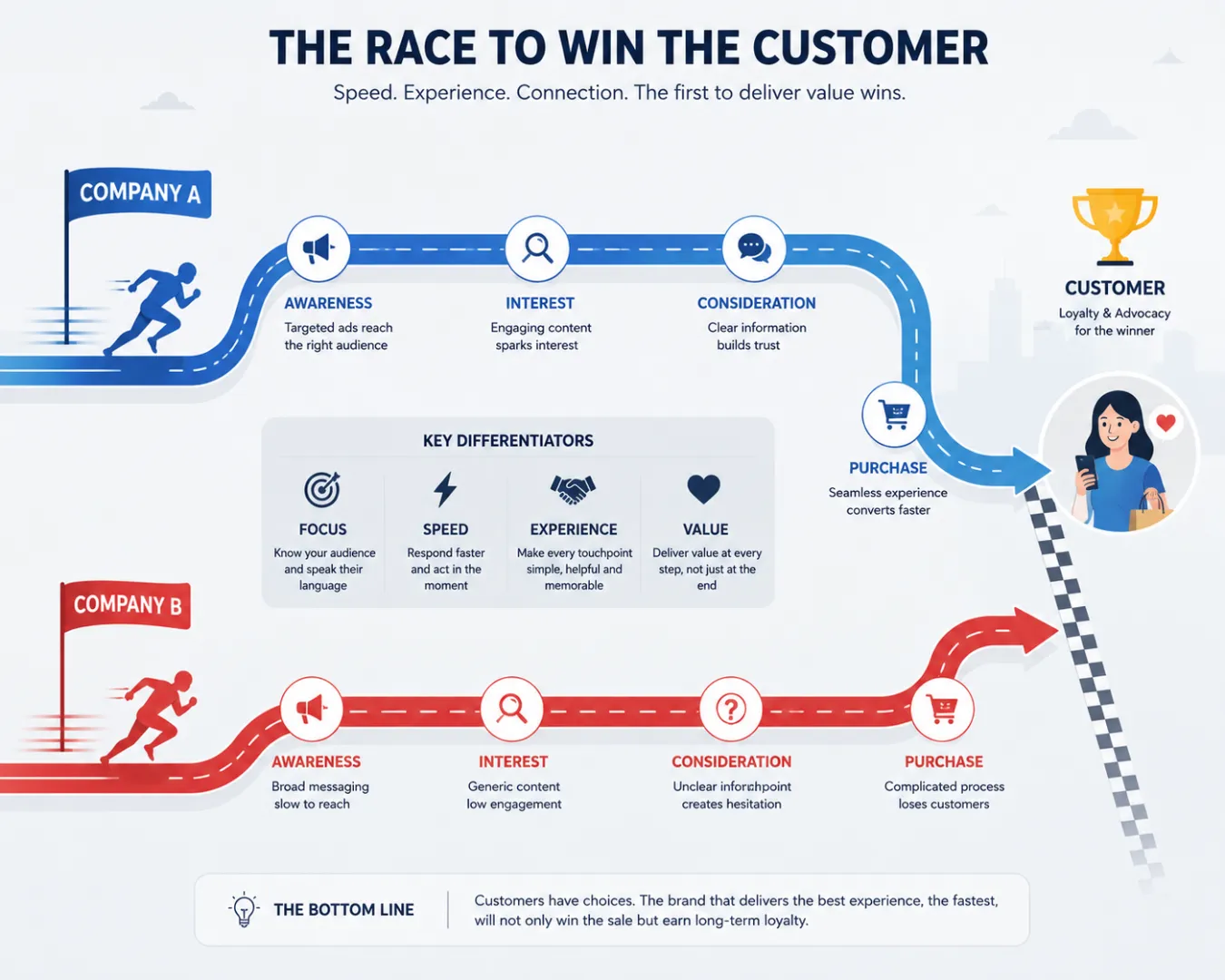
I recommend synchronizing your sales and marketing teams. They must work together for total lead accountability. Marketing generates the leads, but sales must close them.
Create a clear communication plan between these two departments. This ensures everyone knows their role in the event lead follow-up process.
Summary and Key Takeaways
Success after an event comes down to persistence and organization. You need a solid follow-up strategy to win. Remember to segment your leads first.
Use a multichannel approach to stay visible. Leverage customer relationship management tools to automate the boring parts. Most importantly, keep your messages personal and helpful.
I hope these fifteen tactics help you see more results from your next event. Don’t let those business cards sit on your desk. Start your outreach today and watch your conversion rate climb.
An effective event lead follow-up turns booth conversations into closed contracts. A dedicated event lead follow-up is the most effective way to grow your business and build lasting relationships.
If you stay consistent, you will see a massive increase in your revenue and client engagement. Consistency is truly the bridge between a lead and a loyal customer. Good luck with your next event lead follow-up!


6 Critical Strategies for Mastering IoT Foot Traffic Sensors: The Ultimate 2026 Accuracy Guide
AI Heatmap Analysis for Retail Stores: 5 Data-Driven Strategies to Maximize Revenue
17 Proven Tactics to Dramatically Improve Your Booth Strategy for Next Events
7 High-Impact Strategies to Scale Revenue with Lead Capture Automation
9 Proven Metrics to Master Your Beauty Booth ROI Calculation and Dominate Trade Shows
10 Essential Variables for a Reliable KPI for Beauty Booth Evaluation