

Shopping online used to feel like a lonely walk through a giant warehouse. You searched for a product, clicked through pages, and hoped for the best.
Today, the digital world feels much warmer and smarter. This guide explores how AI improves e-commerce customer experiences through more personalized and supportive interactions.
I have seen firsthand how technology changes the way we buy things. It is no longer just about selling a product.
It is about creating a journey that feels like it was made just for you. Let’s dive into the strategies that are changing the game for retailers and shoppers alike.
Core Ways AI Transforms the Digital Shopping Journey
AI is the engine behind the modern store. It works quietly in the background to make things run smoothly.
The most significant shift is how we find what we need. We are moving away from simple keyword searches. Instead, we now use tools that understand what we actually mean.

Moving from reactive keyword searches to proactive intent-based discovery
Old search bars were literal. If you made a typo, you found nothing. Now, search optimization tools use AI to understand your intent.
If you search for “summer party outfit,” the AI knows you want light fabrics and bright colors. It does not just look for those specific words. It looks for the feeling and the context of your request.
How Machine Learning maps complex consumer behavior
Behavior analysis is a powerful tool for any store owner. Machine learning looks at millions of data points every second.
It tracks what you click, how long you stay on a page, and what you ignore. This helps stores create deep customer insights. By mapping these patterns, brands can simplify your choices and show you exactly what you need at the right time.
The role of Generative AI in conversational digital storefronts
Generative AI is the newest member of the retail team. It helps create a digital storefront that talks back to you.
Instead of reading a static FAQ page, you can have a conversation. This technology makes the experience feel human. It builds a bridge between a cold website and a friendly local shop.
Enhancing Product Discovery Through Hyper-Personalization
Understanding how AI improves e-commerce customer experience starts with personalization. When a store remembers your style, you are more likely to return.
AI makes this possible on a massive scale without losing the personal touch.
Intent-Based Recommendation Engines
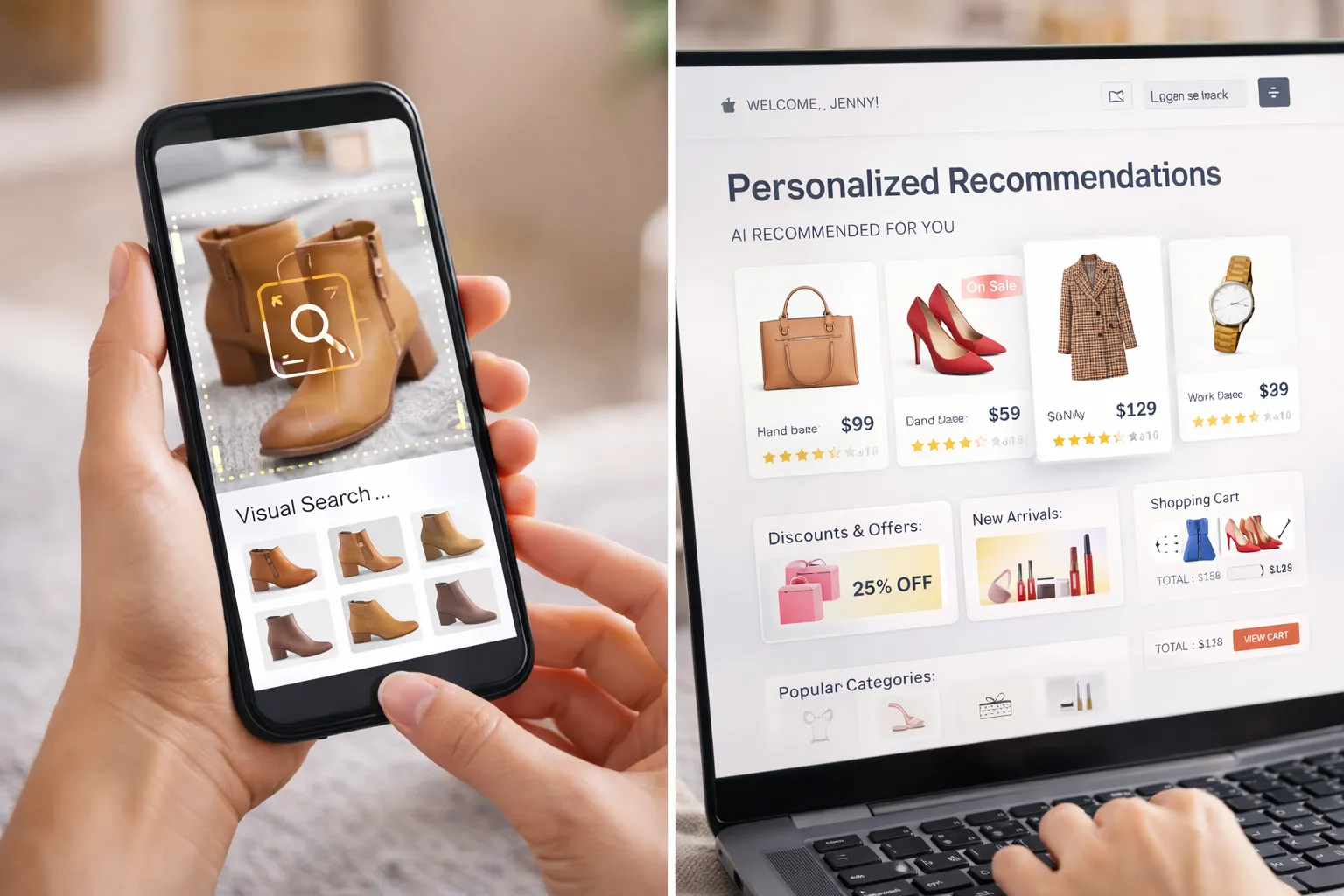
Modern recommendation systems are very smart. They do not just show you what other people bought. They look at your real-time behavior on the site.
If you are looking at hiking boots, the AI might suggest waterproof socks or a durable backpack. This deep learning model predicts cross-sell and up-sell opportunities that actually make sense for your lifestyle.
I love seeing a homepage change based on my mood. If I am browsing for home office gear, the interface should reflect that.
AI can adjust the entire layout in seconds. This keeps user engagement high because everything on the screen is relevant to the shopper.
Visual and Conversational Search Tools
Have you ever seen a pair of shoes on the street and wanted them? Visual search allows you to take a photo and find that exact item online.
Computer vision technology “sees” the product and matches it to the store’s inventory. This “snap-and-shop” feature removes all the friction from the buying process.
Conversational search is also getting better. You can now ask complex questions like, “What should I wear to a beach wedding in June?”
The AI processes this natural language query. It then suggests a curated list of items that fit the weather and the dress code.
Dynamic Content and Pricing Optimization
Dynamic pricing is how AI improves e-commerce customer experience in terms of fairness and competitiveness. It adjusts prices based on market demand and supply.
At the same time, stores can offer special rewards to loyal shoppers. If you have a high loyalty tier, the AI might show you a personalized discount. This makes the shopping experience feel rewarding and exclusive.
Revolutionizing Customer Support and Real-Time Assistance
Nothing ruins a shopping trip like bad support. We have all been stuck in a phone queue for hours.
One major aspect of how AI improves customer experience is by offering round-the-clock customer support. It actually works and helps you out instantly.
AI-Powered Personal Shopping Assistants
Modern chatbots are much more than just simple scripts. They act as expert styling assistants and gift advisors.
If you are stuck on what to buy for a friend, the AI can ask a few questions and give you a perfect list. It bridges the gap between a robot and a human expert. You get the speed of a machine with the wisdom of a stylist.
Smart Conflict Resolution and Sentiment Analysis
AI can also “feel” your frustration. Through sentiment analysis, the system reads the tone of your messages.
If you are upset about a late package, the AI detects the negative emotion. It can then move your chat to the top of the list for a human agent. This ensures that the most important problems get solved first.
Furthermore, AI handles the boring stuff. It can track your return processing and refund status instantly. You no longer have to wait for a human to look up your order number. The AI does this nearly instantaneously.
To better visualize how AI impacts the beauty industry, see Revolutionizing Retail: How an AI Booth Enhances the Beauty Customer Experience
Building Purchase Confidence and Operational Reliability
Buying things online can be risky. You never know if the shirt will fit or if the item will arrive on time.
One way how AI improves e-commerce customer experience is by lowering hesitation and reinforcing purchase confidence.
Immersive Technologies and Fit Accuracy
High return rates are a big problem for e-commerce. AI is solving this through virtual try-ons.
Using your phone camera, you can see how a pair of glasses looks on your face. Some brands use AI body-mapping to suggest the perfect size. This precision lowers the chance of a return and makes the customer happier.
Predictive Logistics for Transparent Delivery
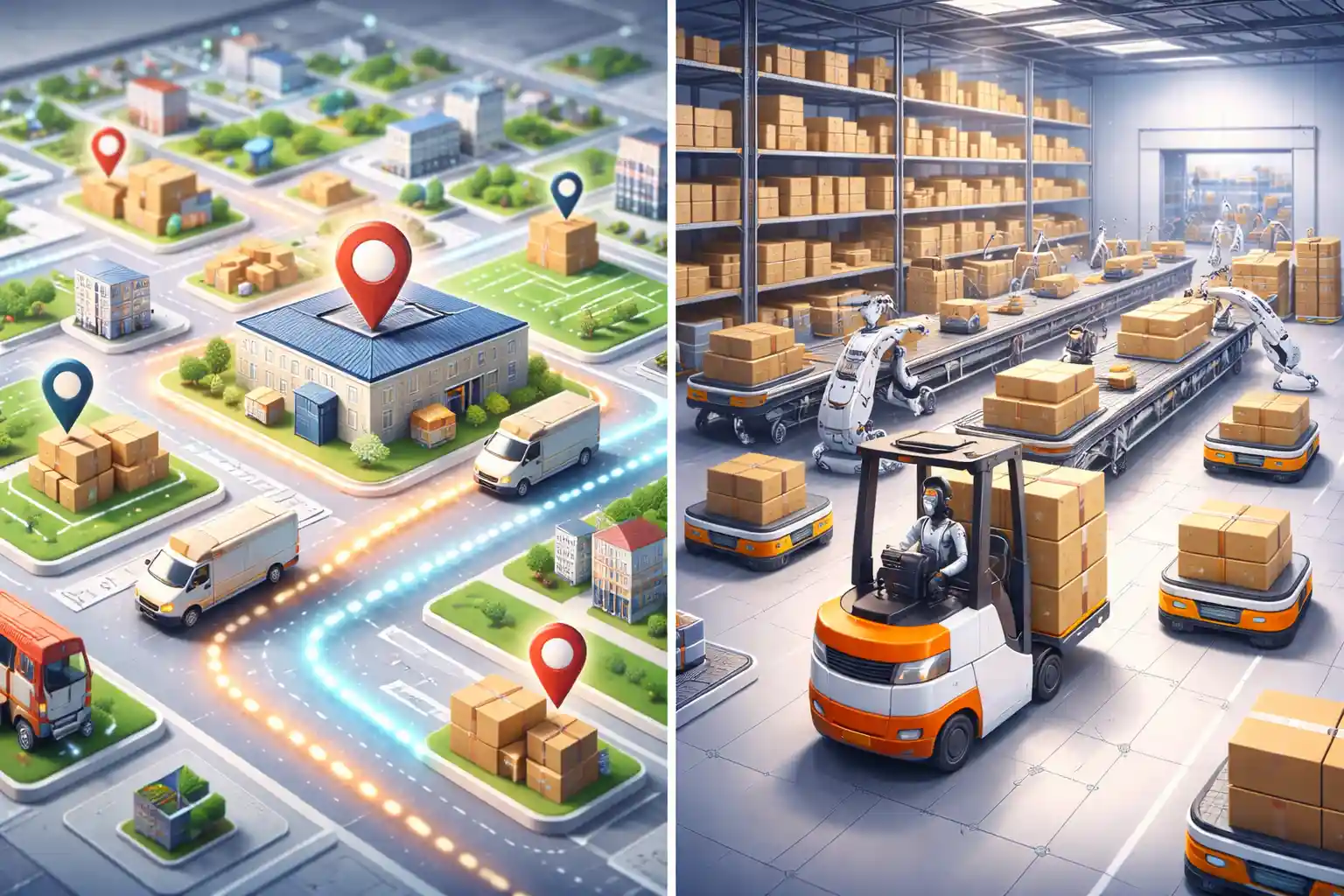
We all hate seeing an “out-of-stock” message. Inventory management powered by AI predicts which items will be popular. It makes sure the warehouse is always ready.
Predictive analytics also helps with shipping. The store can warn you about a delay before it even happens. This transparency builds a lot of trust.
Common Questions and Strategic Implementation Insights
Many business owners wonder how AI improves e-commerce customer experience in practical terms. It can feel overwhelming at first.
Here is a quick guide to the most common questions about AI in retail.
What is “Zero-Party Data” and why does it matter?
Zero-party data is information that a customer gives you willingly. This includes their preferences, sizes, and style interests.
It is the foundation of ethical AI. When you use this data, you provide targeted marketing that the customer actually wants.
Can mid-sized brands implement AI without a huge budget?
Yes, they can! Many e-commerce platforms now have built-in AI tools. You do not need to build your own system from scratch.
Small steps like adding a smart chatbot or a basic recommendation engine can make a big difference.
What AI tools give the highest ROI?
Top returns are commonly seen in sales-focused recommendation engines, cost-saving automated support, and fraud detection that safeguards revenue.
Balancing Innovation with AI Ethics and Privacy Risks
As we use more technology, we must stay careful. We do not want the shopping experience to feel creepy or robotic.
Finding the right balance is the most important part of the job.
Avoiding the “Uncanny Valley” of Over-Automation
The “uncanny valley” happens when a robot tries too hard to be human and ends up being weird. We must maintain a consistent brand voice.
Even when an AI is talking, it should sound like your brand. We must also know when to bring in a human. Empathy is something that an algorithm cannot replace.
Ensuring Data Privacy and Algorithmic Fairness
Privacy is a huge concern for everyone. We must protect consumer data at all costs. Businesses should disclose how they leverage AI.
We also need to ensure that our algorithms are fair. They should ensure fairness and neutrality. Good AI should empower every person who uses it.
In summary, the future of digital stores is bright. It is a place where technology makes us feel seen and heard.
By using these tools, we can create a world where shopping is easy, fun, and safe for everyone. I believe that how AI improves e-commerce customer experience is the most exciting story in retail today. It is a tool for human empowerment that brings us closer to the products we love.


10 Best Foot Traffic Sensor Software Solutions for 2026: The Ultimate Intelligence Guide
Conquering Privacy Concerns in E-commerce Personalization: 5 Critical Strategies for Absolute Customer Trust
7 High-Performance Contactless Payment Solutions for Booths to Maximize Your Revenue
E-commerce Personalization: Orchestrating High-Conversion Experiences in the AI Era
AR Makeup Try-On Technology for Instant Engagement
Why a Professional Skin Analysis Device is the Must-Have Booth Tool