

Are you considering laser hair removal but worried about the experience? “Does laser hair removal hurt?” is a common question.
The truth is, everyone’s experience with pain level is different. However, the process is generally tolerable.
This guide will help you understand the sensations. We will also explore how to maximize your comfort.
Defining the Sensation: What Laser Hair Removal Actually Feels Like
The Physical Sensation: “Rubber Band Snaps” and Heat
Most clients describe the sensation of laser hair removal as a series of quick, warm snaps. Imagine a rubber band snapping gently against your skin — this is the most common comparison.
The laser energy targets the melanin in your hair follicles. This generates heat, destroying the follicle. This heat is what causes the temporary discomfort.
The feeling is very brief, lasting only a fraction of a second per pulse. The sensation is not constant — it happens only when the laser fires.
Many people find it far less painful than waxing. They also prefer it over electrolysis. You might feel a slight burning sensation, but it should never be severe.
The discomfort stops almost immediately after the laser moves on. This quick sensation makes the procedure manageable for most individuals.
How Modern Cooling Technology Minimizes Discomfort
Modern laser hair removal machines come equipped with advanced cooling systems. These systems are key to reducing discomfort. They work in several ways.
Some devices use a cold air stream directed at the skin. Others have a chilled tip that touches the skin. This immediate cooling helps numb the treatment area.
It also protects your skin from excessive heat. This technology significantly improves your tolerance. It makes the treatment much more comfortable.
Always choose a clinic with up-to-date cooling technology.
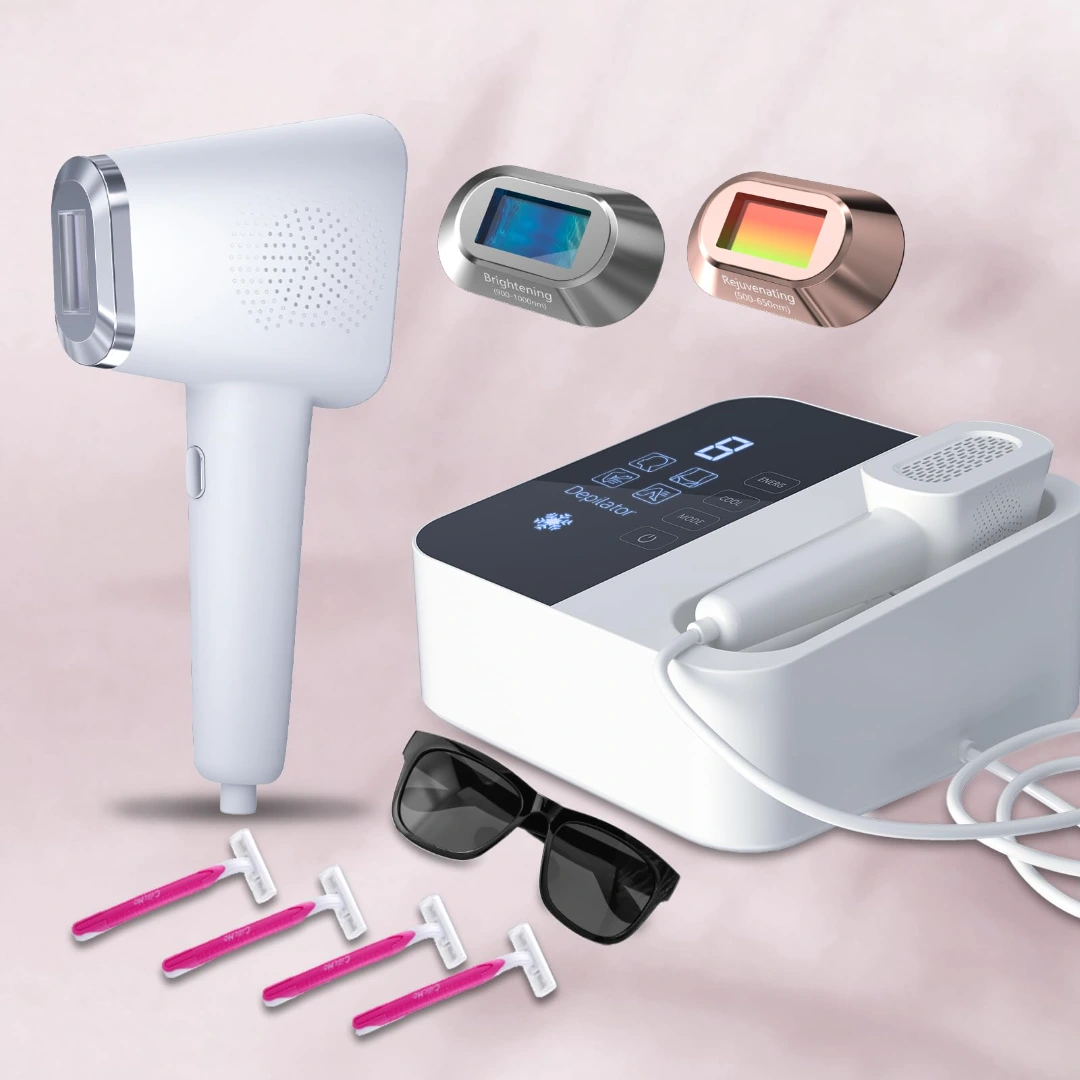
The Laser Pain Map: Sensitivity Rankings by Body Area
High-Sensitivity Zones: Brazilian, Bikini, and Bony Areas
Some body areas are more sensitive compared to others. This means the procedure pain can vary. So does laser hair removal hurt more in certain zones? Yes — high-sensitivity areas include the Brazilian and bikini regions.
These regions feature thinner skin with more nerve endings. The underarms are also often more sensitive. Bony areas like shins and ankles can also feel more intense.
The bone’s proximity makes the heat more noticeable. Discuss these areas with your technician. They can adjust settings for maximum comfort.
Low-to-Moderate Zones: Legs, Arms, Face, and Back
Conversely, many body parts are less sensitive to laser hair removal. Legs and arms often fall into the low-to-moderate discomfort category. The skin here is thicker.
There are also fewer nerve endings compared to other areas. The face, specifically the upper lip or chin, can also be quite tolerable.
The back is another area where many clients experience minimal sensations. These areas typically have a higher tolerance for the treatment. This makes them popular choices for first-timers.
Key Factors That Influence Your Individual Pain Threshold
Hair Density and Skin Tone Variables
Your unique hair and skin characteristics play a big role. Denser, coarser hair tends to absorb more laser energy. This can lead to a slightly stronger sensation.
People with light skin and dark hair are ideal candidates. Their hair follicles are more prominent. However, modern lasers are safe for various skin tones.
The technician will adjust the settings accordingly. This guarantees both safe and effective results. Your skin sensitivity is also a factor — always communicate any discomfort during your session.
When wondering does laser hair removal hurt for your skin type specifically, always consult your technician for a personalized assessment.
The Impact of Hormones, Menstruation, and Caffeine
Many internal factors can affect your pain tolerance. Hormonal changes can increase skin sensitivity, particularly in women.
You might find treatments more uncomfortable during your menstrual cycle. It is often best to schedule sessions outside of this time.
Caffeine intake can also make you more sensitive. Avoiding coffee or energy drinks before your appointment is wise. Ensure you get enough rest and stay hydrated. These steps help manage any procedure pain.
Professional Strategies to Minimize Discomfort and Maximize Comfort
1. Essential Pre-Treatment Preparation and Shaving
Proper preparation is crucial for a comfortable experience. For best results, shave the treatment area a day before your appointment so the laser can work effectively.
Do not wax, pluck, or use depilatories before treatment. For best results, shave the treatment area a day before your appointment so the laser can work effectively.
Ensure the skin is clean and free of any oils or lotions. Clean skin helps the laser penetrate better. This also reduces any potential side effects. Taking these steps helps make the process more comfortable.
2. Topical Numbing Solutions and In-Session Communication
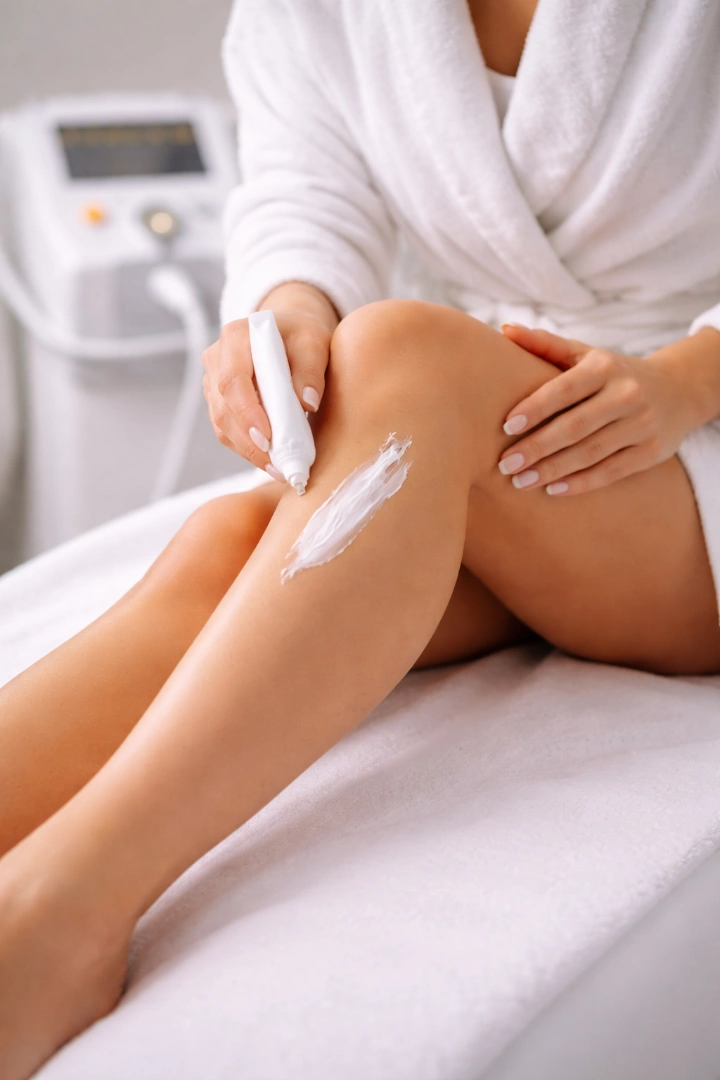
Topical numbing creams can be very effective. You can apply these an hour before your session. Over-the-counter options are available.
Your clinic might also offer a stronger prescription cream. Always verify with your technician beforehand.
During the session, maintain open communication. Tell your technician about any sensations. They can adjust the laser settings or cooling.
This proactive approach ensures a more comfortable treatment. Don’t be afraid to speak up if you feel too much sting or tingling.
Comparison and Results: Is the Pain Worth the Outcome?
Laser vs. Waxing: Comparing Immediate and Long-Term Pain
When you compare laser hair removal to waxing, the differences are clear. The waxing process involves removing hair from the root. This can be intensely painful during the process.
The pain is widespread over the waxed area. With a laser, the pain is brief and localized. Many people find the “rubber band snap” sensation more tolerable.
Waxing requires ongoing appointments, while laser hair removal provides permanent hair reduction. This means fewer painful sessions over time. The initial discomfort of the laser often leads to long-term freedom.
Those asking does laser hair removal hurt compared to waxing will find the laser experience significantly more bearable in the long run.
Why Managing Temporary Discomfort Leads to Permanent Results
The goal of laser hair removal is permanent hair reduction. This means significantly fewer hairs growing back. The hairs that do return are often finer and lighter.
This greatly reduces the need for shaving or waxing. The temporary discomfort is a small price to pay.
Think of the long-term benefits. Imagine smooth skin without daily hassle. Managing your pain tolerance effectively makes the process worthwhile. The promise of lasting results motivates many clients.
For more sunscreen options, see Best Sunscreen for Laser Hair Removal 2026 (Dermatologist Picks)
Expert Insights: Addressing Safety and Technical FAQs
Is it true that laser hair removal should never be “painful”?
It is generally true that laser hair removal should not be excruciatingly painful. You will feel sensations like warmth, tingling, or a snap. However, it should not cause unbearable pain.
If you experience severe stinging or burning, alert your technician immediately. This could indicate settings that are too high for your skin type. Your comfort and safety are paramount during the procedure.
What is “Follicular Edema” and is it a sign of pain?
Follicular edema refers to small, reddish bumps around the treated hair follicles. It looks like goosebumps or a slight rash. This is a normal and common reaction.
It indicates the laser successfully targeted the follicles. Follicular edema is not necessarily painful and generally subsides within a few hours.
It shows the treatment is working effectively. You might also notice some post-treatment soreness.
Which laser types are categorized as most comfortable?
Diode lasers and Alexandrite lasers often have excellent cooling systems built-in. These are generally considered more comfortable. YAG lasers are also effective for darker skin types.
They might have a slightly different sensation. The comfort level depends heavily on the machine’s cooling technology. It also depends on the technician’s skill. Always discuss laser types with your provider.
How does professional laser pain compare to at-home IPL?
Professional laser hair removal typically uses stronger energy. This means it can be more effective. The sensation might be more intense than at-home IPL devices.
However, professional clinics have superior cooling and trained technicians. At-home IPL devices are generally less powerful. They deliver less intense flashes of light. They might feel gentler.
But they often require more frequent and longer use for results. They also lack the precision of professional lasers. The side effects and safety considerations are different for each.
Safety Warning: When does “stinging” become a clinical concern?
A mild sting is normal during laser hair removal. However, a sharp, persistent, or intense stinging that doesn’t subside is a concern.
Excessive pain, blistering, or significant redness indicates a problem. Inform your technician immediately if this happens. They will stop the treatment and assess your skin.
Such reactions can indicate a burn. Your safety always comes first. Never ignore severe discomfort.
So, does laser hair removal hurt? While you will experience sensations, it is rarely described as excruciating. Most people tolerate it very well.
With proper preparation and good communication, your experience can be comfortable. The brief discomfort is minimal compared to the benefits.
You will achieve the smooth, hair-free skin you desire. Choose a reputable clinic. Follow their advice. Get ready to enjoy lasting results.


Pregnancy Safe Makeup: A Comprehensive Guide to Non-Toxic Beauty
Best Sunscreen for Laser Hair Removal 2026 (Dermatologist Picks)
What Is a Skin Tonic Toner? How to Use It Effectively?
How to Fill In Eyebrows for Beginners (Step-by-Step Tutorial)
Mini Facelift: 5 Facts for a Youthful Lower Face
The Ultimate Dermatologist-Led Guide to Sunscreen for Melasma: Why SPF 50 is Only Half the Battle