

Are you planning on, or currently undergoing, laser hair removal? Then there is one step you should not skip, and that is sunscreen! You might be thinking, “But I need some sun, right?” The truth is, after laser hair removal, your skin is more sensitive than it normally is, so you will need sunscreen for protection, prevention of dark spots, and even for better results.
In this guide, you will learn about sunscreen for laser hair removal, including what you should know, how you should use it, and even some of the best sunscreens you can use for your laser hair removal treatment.
Why You Need Sunscreen for Laser Hair Removal
Laser hair removal works by using concentrated light on the pigment of your hair follicles, effectively killing the hair. This is why it is so popular for hair removal, but it also makes your skin temporarily inflamed, making you even more sensitive than you normally are.
As you know, UV rays can cause hyperpigmentation, redness, and even sunburn, even on cloudy days! This is why you should be using sunscreen, as it will create a protective layer on your skin, allowing it to heal faster.
You might be thinking, “But why is sunscreen necessary for laser hair removal?” The truth is, sunscreen can even help you get better results! This is because, during laser hair removal, your skin should be untanned so that the laser can target the hair follicle effectively.
But if you have tanned skin, then the laser will not be able to tell the difference between your hair and your skin, making it less effective.
Choosing the Right Sunscreen for Laser Hair Removal
Not all sunscreens can be used for laser hair removal, so you should know what you should be looking for:
Mineral (Physical) Sunscreens
Choose sunscreens that come with active ingredients such as zinc oxide or titanium dioxide, which stay on the surface of your skin, protecting you from the sun by reflecting UV rays. They are perfect for use after laser treatment since they will not irritate your skin.
Some of the recommended physical sunscreens include:
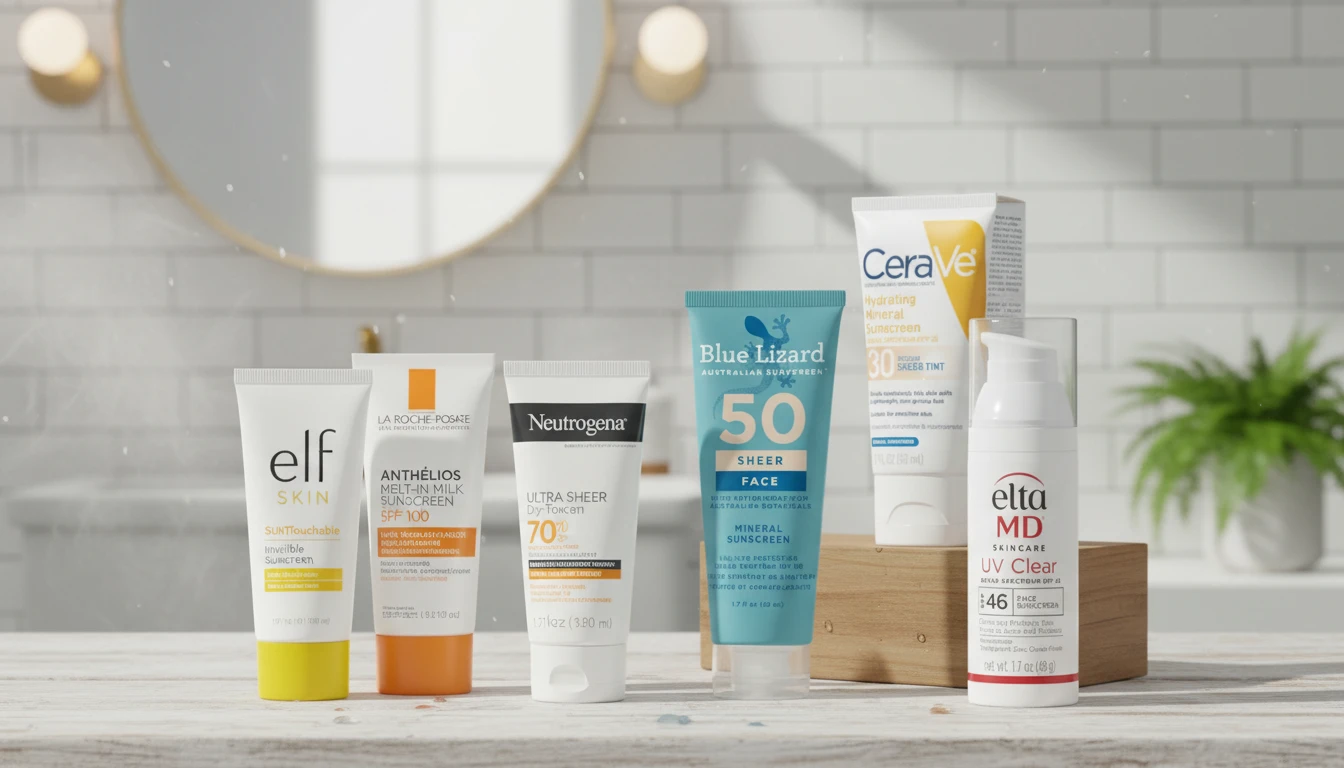
- Blue Lizard Sheer Face SPF 50: This sunscreen is light, mineral-based, and suitable for use on sensitive areas of the skin.
- CeraVe Hydrating Mineral Sunscreen SPF 30: This sunscreen is moisturizing while protecting you from the sun.
- Elta MD UV Clear SPF 46: This sunscreen is perfect for use on the face, especially for those with sensitive skin.
If you choose a mineral sunscreen, you will have immediate protection and no irritation. For a dermatologist recommended mineral option, you could try Bioderma’s Photoderm range, as it is formulated for sensitive and reactive skin — for a complete breakdown of which formula is best for your skin type, check our guide on Bioderma sunscreens.
Broad-Spectrum SPF 30 or Higher
Ensure that you get protection against both UVA and UVB rays, which come from the sun. This means you should ensure that your sunscreen comes with broad-spectrum protection. The least recommended SPF should be 30, but you can go for a higher SPF, such as 50, for additional protection, especially for those who stay outside.
Gentle, Fragrance-Free Formulas
After your laser treatment, you may be very sensitive, which means you should be careful about the chemicals used in your sunscreen. For this reason, you should consider sunscreens that come with the label “fragrance-free” or “hypoallergenic” since they will not irritate your skin. For example, Neutrogena Ultra Sheer Dry-Touch SPF 70 comes with protection for your skin without irritation.
Tinted Mineral Sunscreens
If you are likely to get hyperpigmentation, you should consider tinted sunscreens, which come with additional protection against visible light, which may cause hyperpigmentation after your laser treatment, especially for the face.
How to Apply Sunscreen Correctly
However, the effectiveness of the sunscreen depends on how it is applied. Here is how it should be applied:
Pre-Treatment Protection
Avoid exposure to the sun for at least 2–4 weeks before the laser treatment. This is to avoid any form of tanning or sunburn that may interfere with the result. During this time, apply the sunscreen of your choice on a daily basis, whether or not you are at home.
Post-Treatment Care
Your skin may have some form of redness or soreness after the treatment. In this case, apply the sunscreen on a daily basis, including on cloudy days. This should go on for a few weeks or until the skin is completely healed.
Application Tips
- Apply the sunscreen at least 15–20 minutes prior to going out.
- Apply enough sunscreen that will cover the treated skin adequately. A teaspoon of sunscreen should suffice for small skin surfaces such as the face.
- Apply the sunscreen again after every two hours, especially if you have been sweating or have gone swimming.
Common Errors with Sunscreen Application when Undergoing Laser Hair Removal
Even with the best intentions, it’s easy to slip up — and with laser hair removal, small mistakes can lead to real setbacks. Below are the most common ones you should be aware of:
Mistake #1: Skipping Sunscreen After Your Session
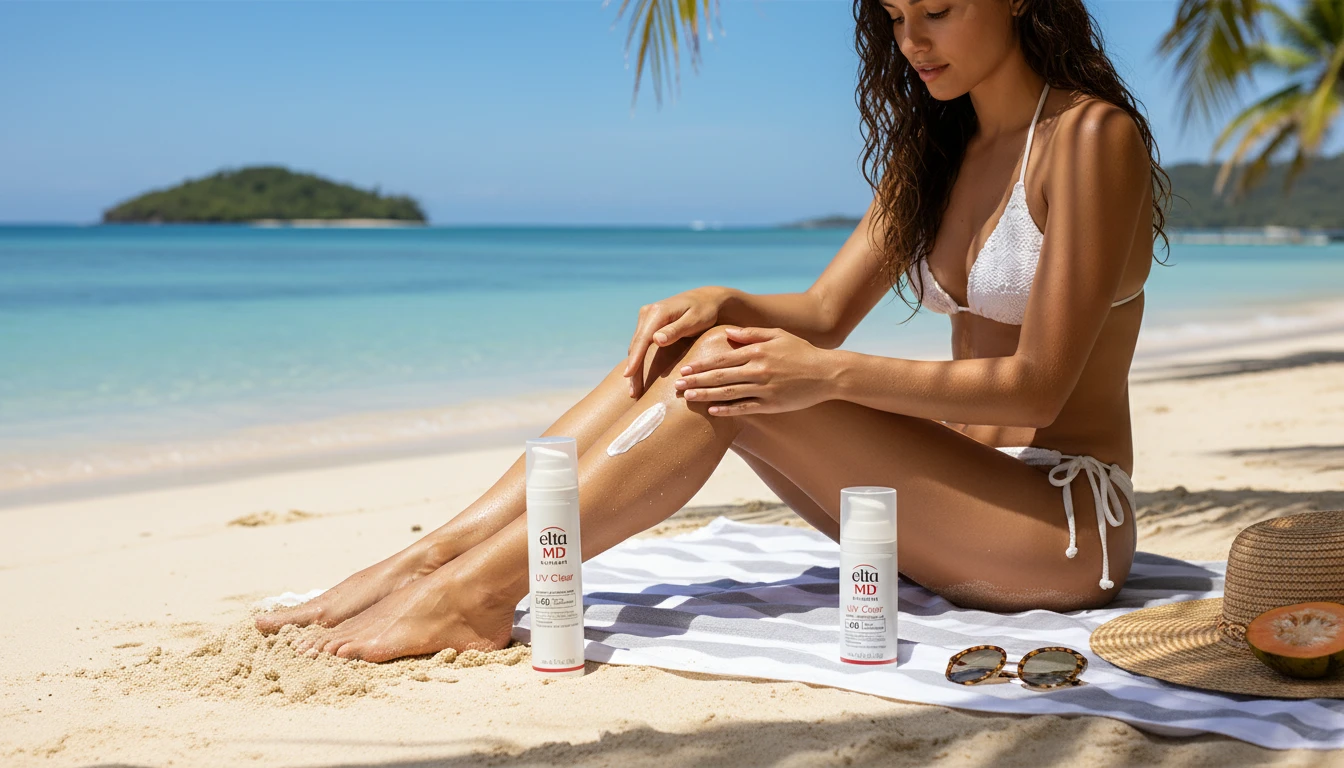
Right after laser treatment, your skin is inflamed and significantly more vulnerable to UV damage than normal. This isn’t just discomfort — it creates real biological risk.
When the treated skin develops epidermal inflammation, pigment-forming cells called melanocytes may respond by producing higher amounts of melanin.UV radiation after laser treatments can lead to or worsen hyperpigmentation. Dr. Michele Green M.D. In some cases, dark patches can take a year or longer to resolve on their own, or become permanent without proper treatment.
Skipping sunscreen even once during this window can trigger that overproduction of melanin. And don’t assume cloudy days are safe — over 90% of UV rays can pass through a light cloud cover and still cause damage.
The fix: Apply mineral sunscreen the morning after your treatment, every day — regardless of weather.
Mistake #2: Applying Chemical Sun Protection Earlier Than Recommended
Not all sunscreens are appropriate for post-laser skin. Two major forms exist, including mineral sunscreens and chemical sunscreens. Mineral sunscreens are made with zinc oxide or titanium dioxide and form a protective layer on the skin’s surface. Chemical sunscreens work differently — they absorb UV rays and convert them into heat inside the skin.
That distinction matters here. On freshly lasered skin with a disrupted barrier, the heat generated by chemical sunscreens can worsen irritation, stinging, and redness. Hyper- and hypopigmentation are comparatively frequent complications after laser treatments, and the risk is highest in darker-skinned individuals or those who are excessively tanned. NCBI
Mineral sunscreens are the safer post-laser choice. Beyond UV protection, hyperpigmentation risk can be reduced by avoiding sun exposure before and after laser treatments.
The fix: Stick to mineral (physical) sunscreens with zinc oxide or titanium dioxide for at least 2–4 weeks post-treatment, and check ingredient labels carefully before applying anything to treated skin.
Mistake #3: Forgetting to Reapply Throughout the Day
One morning application does not protect you all day. Sunscreen degrades with UV exposure, sweat, and time — making reapplication essential, especially for skin that’s already compromised from treatment.
Research has identified post-laser erythema and outdoor activity during daytime as direct risk factors for the occurrence of post-inflammatory hyperpigmentation (PIH). Taylor & Francis Online In one controlled study, PIH occurred in 55.3% of lesions in the control group, with outdoor activity between 1–5 PM linked to an 8x higher risk of PIH development.
The American Academy of Dermatology recommends reapplying sunscreen every 2 hours during outdoor activity, and immediately after swimming or sweating.
The fix: Keep a travel-size mineral sunscreen in your bag. Reapply every 2 hours outdoors — and right after any water exposure or heavy sweating.
Mistake #4: Tanning Before or Between Sessions
This mistake affects both your safety and your results, and the reason comes down to how laser hair removal actually works.
Laser hair removal works on the principle of selective photothermolysis — selective absorption of light by melanin in the hair follicle, which converts it to heat to destroy the follicle while sparing surrounding tissue. NCBI Tanning adds extra melanin to the surrounding skin, disrupting that contrast.
In darker skin types and tanned patients, there is increased epidermal melanin which acts as a competing chromophore to the melanin in the hair bulb and shaft — leading to a higher frequency of adverse effects. To minimize these adverse reactions, most clinicians reduce the laser’s fluence (energy), which directly reduces efficacy.Indian Journal for Dermatology, Venereology & Leprology Studies
The result: you may get fewer results and more side effects at the same time. The risk of dyspigmentation — including both hyperpigmentation and hypopigmentation — is highest in excessively tanned individuals, and can be reduced by avoiding sun exposure before and after laser treatments.
The fix: Avoid all forms of tanning — sun, tanning beds, and self-tanner on treated areas — for at least 4 weeks before each session and throughout your treatment course.
Recommended Sunscreen Products
Below are some of the trusted products you can incorporate into your regimen:
- Blue Lizard Sheer Face SPF 50 – lightweight and suitable for daily wear.
- CeraVe Hydrating Mineral Sunscreen SPF 30 – gentle and suitable for sensitive post-laser skin.
- Elta MD UV Clear SPF 46 – suitable for acne-prone and sensitive skin.
- Neutrogena Ultra Sheer Dry-Touch SPF 70 – high SPF for exposure to strong rays of the sun.
- La Roche-Posay Anthelios Melt-in Milk SPF 100 – high SPF for larger areas of exposure, e.g., legs and arms.
- e.l.f. Sun Touchable SPF 45 – a budget-friendly, lightweight, and suitable product for daily wear.
By switching between these products depending on your exposure, you will be able to keep your skin protected and healthy.
Extra Sun Protection Tips
For your sunscreen to work effectively, you need to incorporate the following:
- Wear protective clothing, e.g., long shirts and hats.
- Avoid exposure during peak sun times, 10 AM to 4 PM.
- Stay in the shade to prevent exposure.
- Apply a colored, mineral-based product on your face to prevent dark spots.
By following these steps, you will be able to keep your post-laser skin healthy and protected.
FAQ
Can I use any sunscreen after laser hair removal?
No. You should opt for a fragrance-free mineral formula that contains SPF 30 (SPF 50 is better) and is broad-spectrum. Good examples include EltaMD UV Clear SPF 46 and CeraVe Hydrating Mineral SPF 30.
How long do I have to put on sunscreen after treatment?
Daily for the entire treatment period and 2-4 weeks after your last session. It should be something you do every day and become a part of your routine.
What if I expose the treated skin to the sun?
You will be risking damage to your skin including. dark/ light spots, burns, and damage that is more permanent. This might also affect your next session, your overall progress.
Conclusion
You might be thinking, “Why should I apply sunscreen for laser hair removal procedure?” Well, you should not ignore this product, and it’s not optional. After a procedure, you need to apply a suitable product to keep your sensitive post-laser skin protected. This will ensure you:
- Keep your post-laser skin protected from the sun.
- Help prevent hyperpigmentation and irritation.
- Boost the effectiveness of your procedure.
Whether it’s Blue Lizard, CeraVe, Elta MD, or Neutrogena, incorporating sunscreen into your daily regimen will not only keep your skin looking healthy, radiant, and free of unwanted dark spots, but it will also show your future self that you took the time to care for your skin today. Don’t forget, post-laser care is not just about the discomfort; it’s about the results!


Pregnancy Safe Makeup: A Comprehensive Guide to Non-Toxic Beauty
How to Apply Blush Like a Pro: The Complete Guide to Placement and Formulas
Does Laser Hair Removal Hurt? The Realistic Guide to Pain, Comfort, and Results
Safe Suntan Lotion Pregnancy: Top Picks Recommended by Doctors
What Is a Skin Tonic Toner? How to Use It Effectively?
Mini Facelift: 5 Facts for a Youthful Lower Face