

How to set up fast payments at booths is a skill every vendor needs to master before their first big event. I have stood behind many craft fair tables and market stalls over the years. I know the feeling of seeing a long line of happy customers turn into a group of frustrated people.
When the queue moves too slowly, people simply walk away. That is why I want to share my secrets on how to set up fast payments at booths to ensure you never lose a sale due to a delay. Improving your speed helps your bottom line and keeps your customers smiling.
In this guide, I will walk you through everything from hardware choices to booth layouts. We will look at how to make every second count during a transaction. My goal is to help you create a seamless experience for every shopper. Let’s dive into the best ways to optimize your setup for peak performance.
Selecting High-Speed Hardware and NFC Technology
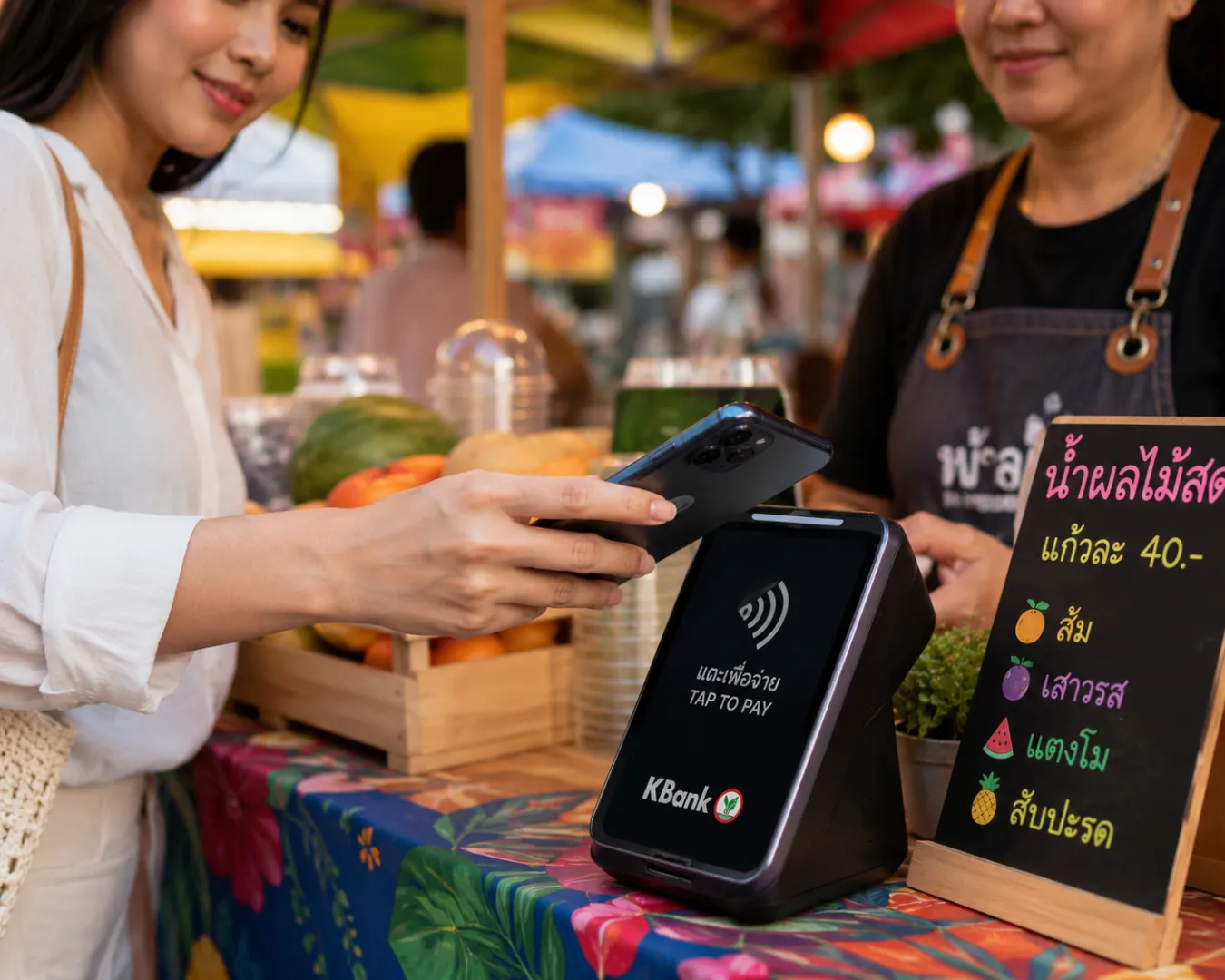
Learning how to set up fast payments at booths starts with choosing the right hardware for your needs. If your card reader is old, it will take too long to process a simple chip. I always recommend prioritizing contactless NFC for instant transactions. This technology allows customers to tap their card or phone and finish the sale in seconds.
Tip 1: Use Tap-to-Pay on Phone apps to remove hardware lag
Many modern payment platforms now allow your smartphone to act as the terminal. This means you have one less device to sync or charge. It is a great mobile payment integration for vendors who want to stay light and mobile.
Tip 2: Deploy dedicated NFC readers for faster chip processing
The hardware you choose is the foundation of how to set up fast payments at booths successfully. A dedicated reader often has a stronger antenna than a phone app. I find that these devices wake up faster and stay connected more reliably. They are essential for a fast checkout process during busy holiday markets.
Prioritizing fast payments at booths means investing in NFC-enabled readers that process taps instantly. I also suggest looking for readers that support “quick chip” technology. Some older readers require the customer to leave the card in for a long time.
Newer hardware lets them pull the card out sooner. These small gains in speed add up when you have fifty people waiting in line.
Always keep a backup reader in your bag. Technology can fail at the worst times. Having a second device ready to go ensures your quick transaction setup stays active. I never go to an event without a fully charged spare reader.
Optimizing POS Software for Rapid Booth Checkouts
Your software is just as important as your hardware. A messy digital interface slows you down. I have spent too much time scrolling through lists of items while a customer waits. Optimizing your POS software is a core part of how to set up fast payments at booths without friction.
Tip 3: Create one-tap product grids for instant item entry
Fast payments at booths depend heavily on a clean, one-tap product grid that eliminates search time. I organize my most popular items on the very first screen of my app. I use bright colors or photos to identify them quickly. This way, I do not have to type in prices or search for names during a rush.
Tip 4: Automate or skip receipt and tip prompts
Many customers do not want a paper or digital receipt for a small purchase. I set my software to “no receipt” by default for sales under twenty dollars. You can also set a standard tip percentage or skip the tip screen entirely if it slows your line too much.
Inventory management for quick sales is also vital here. If your software tracks your stock, make sure it does so in the background. You do not want the app to hang while it updates a database. Choose a software that handles inventory management for quick sales without lagging the front-end screen.
I also recommend testing the “Search” function on your POS. Sometimes a customer asks for a specific item that isn’t on your main grid. You should be able to find it in two seconds. If your app is sluggish, it might be time to switch to a more robust platform.
Ensuring Uninterrupted Connectivity at High-Traffic Events
Knowing how to set up fast payments at booths also means controlling your internet connection at events. Event Wi-Fi is notoriously bad. Hundreds of vendors and thousands of guests all try to use the same signal. I have learned the hard way that you must bring your own connection.
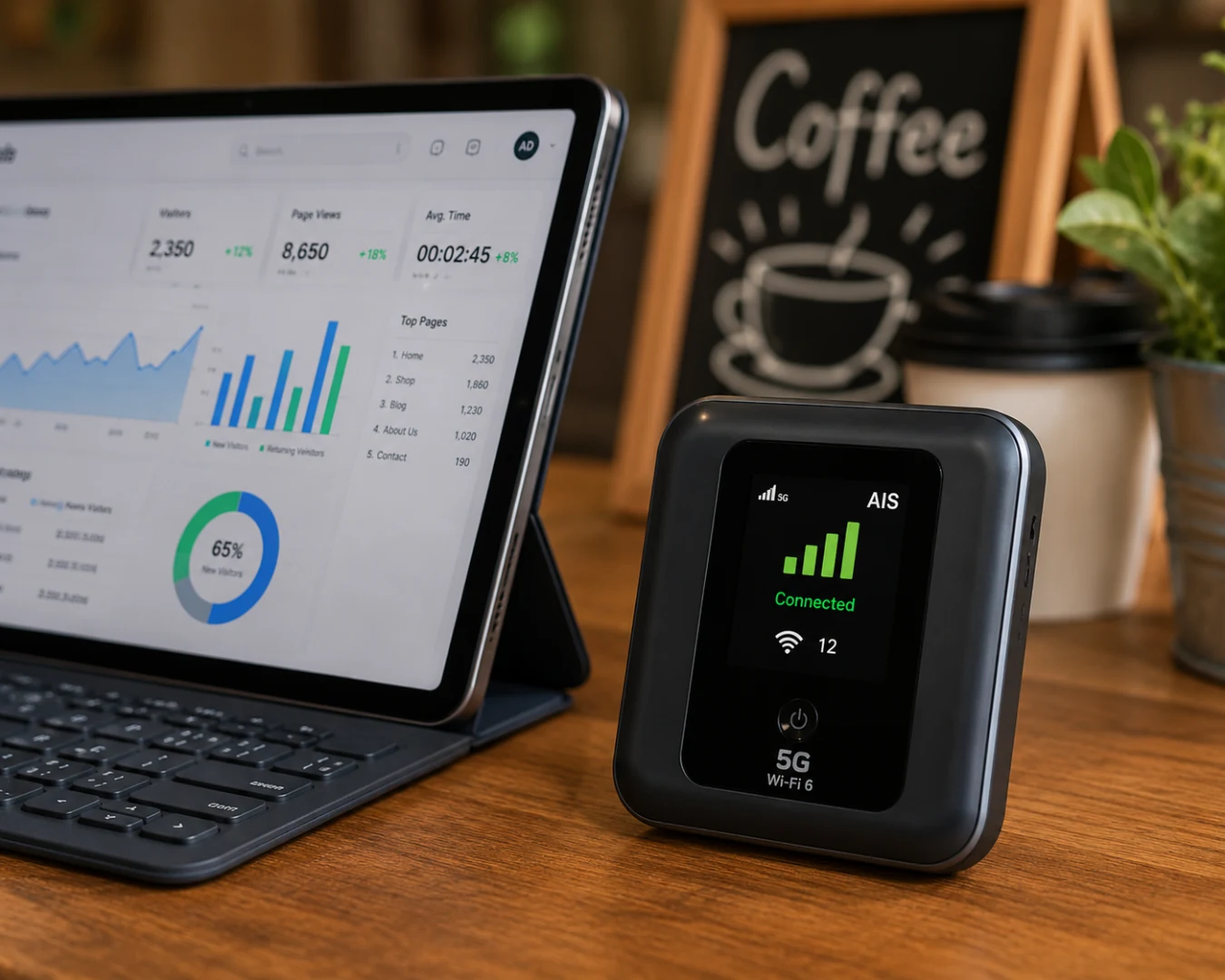
Tip 5: Use a dedicated 5G hotspot instead of event Wi-Fi
Fast payments at booths become unreliable the moment you rely on shared event Wi-Fi. A personal hotspot provides a private lane for your data. This keeps your secure payment methods working without interference. I find that my transactions process twice as fast on my own cellular data.
Tip 6: Enable Offline Mode to keep lines moving during outages
Some top-tier payment processors offer an offline mode. This allows you to accept payments even if the internet goes out completely. The system stores the data and processes the sale once you are back online.
How to set up fast payments at booths with offline mode is a strategy every serious vendor should know. You won’t know if a card is declined until later. However, for low-priced items, the speed is usually worth the risk. It keeps your quick transaction setup alive when every other booth has stopped selling.
I also suggest turning off “background app refresh” on your devices. You want every bit of data speed to go toward your payment app. Small tweaks like this ensure your payment terminal configuration stays optimized for speed.
Designing Your Physical Booth Layout for Transaction Speed
A smart layout is another key factor in how to set up fast payments at booths efficiently. If your checkout is hidden in a corner, people will get confused. I like to design my space so the payment area is the final stop in a natural loop.
Tip 7: Position terminals at the exit flow with clear signage
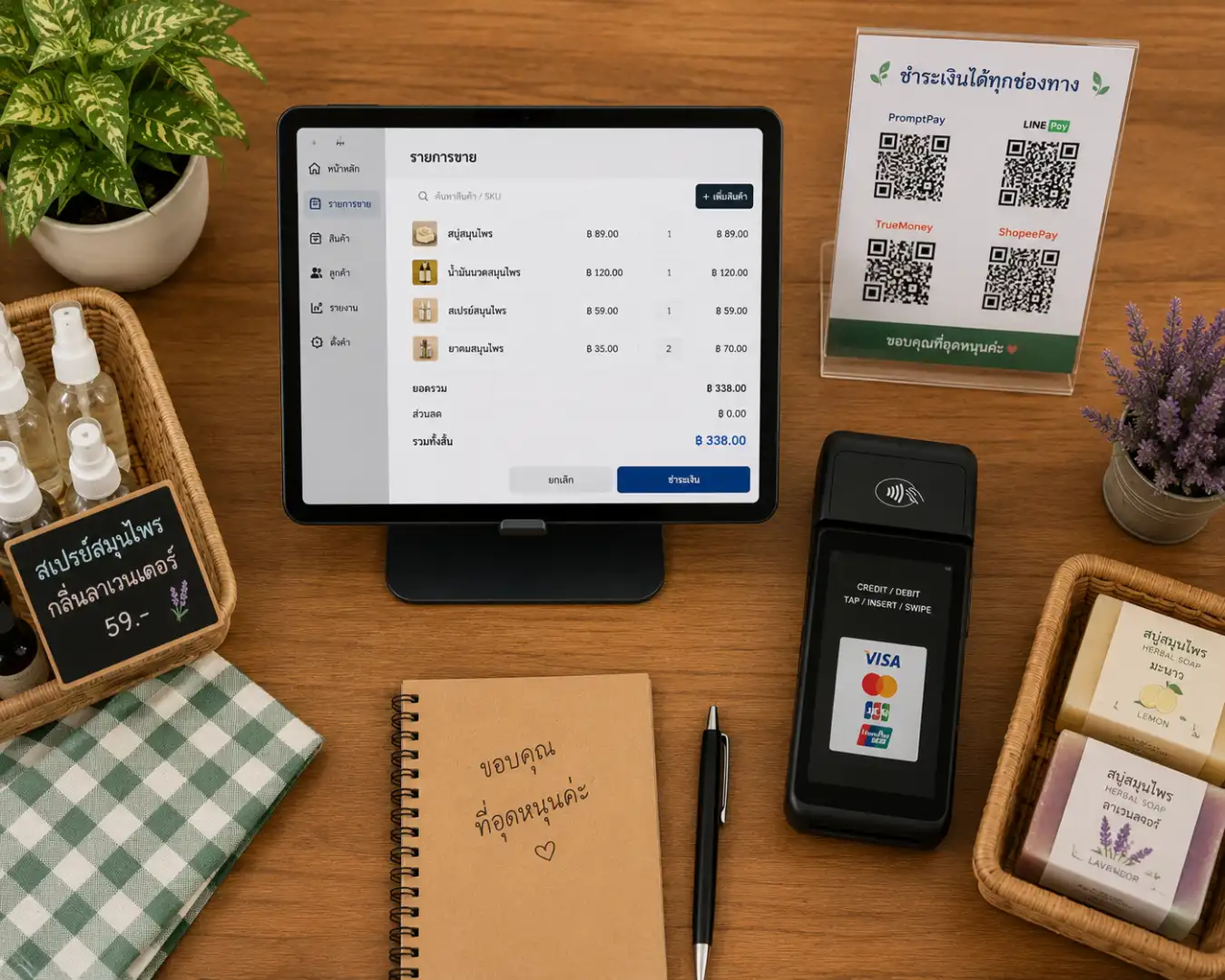
Fast payments at booths are easiest when customers can see exactly where to tap and pay. I put my card reader on the right side of the table near the exit. I use a sign that says “Pay Here – All Cards Accepted.” This tells the customer exactly where to go when they are ready to buy.
Tip 8: Print self-service QR codes for grab-and-go purchases
How to set up fast payments at booths using QR codes lets customers self-checkout without your help. I place QR codes next to my most popular items. Customers can scan the code, pay on their own phone, and show me the “Success” screen.
This allows me to help one customer while another handles their own payment. It is a form of contactless payment options that requires zero effort from me. This setup is perfect for stickers, prints, or pre-packaged snacks.
Make sure your checkout area is clean and clear of clutter. If a customer has to move your coffee mug to tap their card, it slows things down. A professional merchant account setup deserves a professional-looking space. Keep your bags and tissue paper within reach so you can pack items while the payment processes.
Your Deployment Roadmap for Professional Payment Workflows
Getting ready for a big event takes more than just showing up. I follow a strict roadmap to ensure everything is perfect. Your merchant account setup should be verified at least a week before the show. Do not wait until the morning of the event to log in for the first time.
First, perform a final security audit. Ensure your software is updated to the latest version. This keeps your secure payment methods safe and compliant. I also check that my tablet or phone has a strong passcode and biometric lock enabled.
Next, plan for power redundancy. I bring two large power banks to every show. My card reader and phone must stay charged all day. If your battery drops below twenty percent, some devices enter “power save” mode, which can slow down the processor.
Finally, do a “dry run” at home. I set up my table and practice a few transactions. I make sure my payment terminal configuration is exactly how I want it. This practice helps me find any bugs or slow spots in my workflow before the real customers arrive.
Common Questions About Fast Payments at Booths
Is a mobile reader always faster than a tablet-based kiosk?
Not necessarily. A tablet usually has a faster processor, which can speed up the app interface. However, a mobile reader is easier to hand to a customer. For a fast checkout process, I prefer a tablet because the larger buttons reduce typing errors.
What is the “Offline Mode” risk-to-speed ratio?
The risk is low if you sell items under fifty dollars. Most cards are valid. The speed benefit is huge because you never have to wait for a signal. If you sell very expensive items, I would avoid offline mode to ensure the funds are actually there.
Can I group my payment types to save on fees?
You can, but it might slow down your data tracking. Some vendors group all “Credit Card” sales together. I find it better to track each item individually. This helps with inventory management for quick sales and tax reporting later on.
Is it safe to skip the signature screen for all booth sales?
Most card brands no longer require signatures for small transactions in the US. Skipping this screen is a great way to improve your quick transaction setup. Check with your specific processor to see their rules for your business type.
Final Summary: Balancing Speed with Transaction Security
Speed is essential, but security must never be ignored. I always make sure my secure payment methods are up to date. Using modern NFC and encrypted readers protects both you and your customer. When people trust that their data is safe, they are more likely to buy from you again.
By following these 8 strategies, you can turn your booth into a high-speed selling machine. Focus on the right hardware, optimize your software, and control your internet connection. Don’t forget to use a smart layout and a QR code payment system to give customers more options. Practice your workflow and keep your gear charged.
I hope these tips help you have your most successful event yet. Remember that every second you save is a second you can spend engaging with your community. Learning How to set up fast payments at booths is one of the best investments you can make for your small business. Good luck out there, and may your lines always move quickly!


E-commerce Personalization: Orchestrating High-Conversion Experiences in the AI Era
Conquering Privacy Concerns in E-commerce Personalization: 5 Critical Strategies for Absolute Customer Trust
9 Essential Enhancements to Optimize Your Booth Engagement Measurement Tools
QR Booking System for On-site Beauty Service Reservation
10 Revolutionary Strategies: How AI Improves E-commerce Customer Experience
Captivate, Connect, Convert: Mastering Interactive Touch Screens for Exhibitions