

We help businesses grow by simplifying their intake processes. Managing a high volume of inquiries requires a smart system to avoid losing potential customers.
When we implement lead capture automation, we transform how our team handles new prospects from the first point of contact. This approach allows us to focus on building relationships instead of typing data into spreadsheets.
The goal is to move prospects through the funnel as quickly as possible. Every minute a lead waits is a minute they might spend looking at a competitor.
We use modern tools to grab information instantly and put it where it belongs. This guide shows how we use these tools to drive more sales and improve efficiency.
We believe that technology should support human efforts. By automating the boring parts of sales, we give our team more time to close deals. Let’s explore the core strategies that make this possible in today’s digital market.
1. The Architectural Core: Strategies 1, 2, and 3
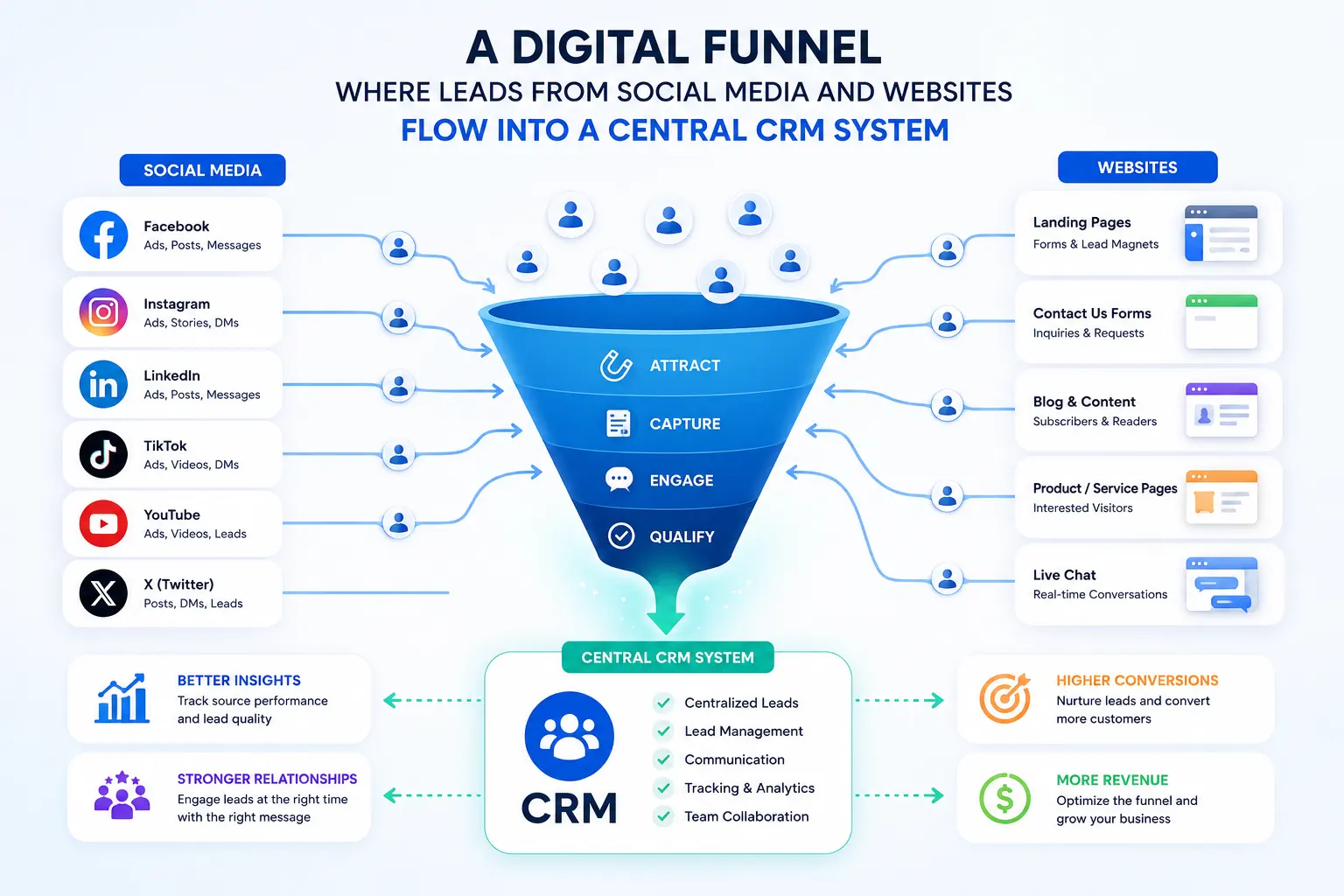
To build a strong foundation, we look at where our leads come from. Strategy 1 focuses on omnichannel inbound capture.
Lead capture automation ensures we never miss a lead, regardless of where they find us. We use multi-channel outreach to find prospects on social media, search engines, and our own website. We sync all these channels into one central system for better visibility.
Lead capture automation involves real-time data enrichment to understand who our leads are. When a user fills out a form, we do not just stop at their name and email.
We use tools for user data collection to find their job title and company size instantly. This enrichment helps us understand who our leads are without asking too many questions. It makes our contact management much more effective from the start.
Strategy 3 is all about instant lead distribution. Once we have the data, we must send it to the right person.
With lead capture automation, leads are instantly routed to the most suitable sales rep according to territory or expertise. This prevents leads from sitting in an inbox for days. It ensures a smooth transition from marketing to sales.
2. Operational ROI: Strategies 4 and 5
Efficiency is the key to increasing our return on investment. Strategy 4 focuses on eliminating the speed-to-lead gap.
Research shows that responding within five minutes increases the chance of a sale. Lead capture automation instantly responds to every new inquiry, so no lead is left waiting. This keeps the lead engaged while our team prepares for a deeper conversation.
Strategy 5 covers automated data hygiene. Bad data can ruin a good sales process. Lead capture automation automatically cleans your database by removing duplicate entries and fixing formatting errors.
This keeps our database clean and reliable for everyone. It also helps us maintain sales funnel optimization by providing accurate reports on our progress.
When we clean our data, we also protect our reputation. Accurate emails mean fewer bounced messages and better deliverability.
Our team spends less time fixing typos and more time talking to real people. This shift in focus is vital for scaling a growing business.

3. Selecting Software for Seamless Lead Capture Automation
Choosing the right tools is a critical step for our success. We often compare all-in-one CRM platforms against specialized middleware.
All-in-one tools offer simplicity and keep everything in one place. Specialized tools allow us to pick the best software for each specific task. We choose the option that fits our current team size and budget.
We also look for tools that offer personalized messaging through conversational AI. Interactive forms and chatbots can guide a user through the capture process.
This makes the experience feel more like a conversation and less like a survey. It also helps us gather user data collection points naturally.
Lead capture automation requires secure API connectivity so our tools talk to each other reliably. A strong CRM integration allows data to flow freely between our website and our sales tools. This creates a workflow automation that saves us hours of manual work every week.
| Tool Type | Main Benefit | Key Feature |
| CRM Platforms | Centralized Data | Contact Management |
| Middleware | System Connectivity | Trigger-Action Flows |
| AI Chatbots | 24/7 Engagement | Personalized Messaging |
4. 5 Sequential Steps to Deploy Your Automation Workflow
We follow a clear path when setting up a new system. Lead capture automation workflow begins with auditing every entry point where leads come in.
We list every form, chat box, and social ad we currently use. This helps us see where leads might be falling through the cracks. We want a complete map of how a stranger becomes a known prospect.
Step 2 requires us to define critical data fields. We decide what information is a “must-have” versus what is “nice-to-have.”
Using a simple form builder, we create fields that are easy for the user to complete. We keep our forms short to ensure we do not scare away potential customers.
Step 3 is where we map the trigger-action workflow. For example, when a form is submitted, the system should create a contact.
Then, it should send a welcome email and alert a salesperson. We use these logic steps to build a reliable and repeatable process for our team.
Step 4: Configure automated responses. We write templates that sound natural and helpful.
Step 5: Monitor integration friction. We check the logs to see if any data fails to move between systems.
5. Advanced Intelligence: Strategies 6 and 7
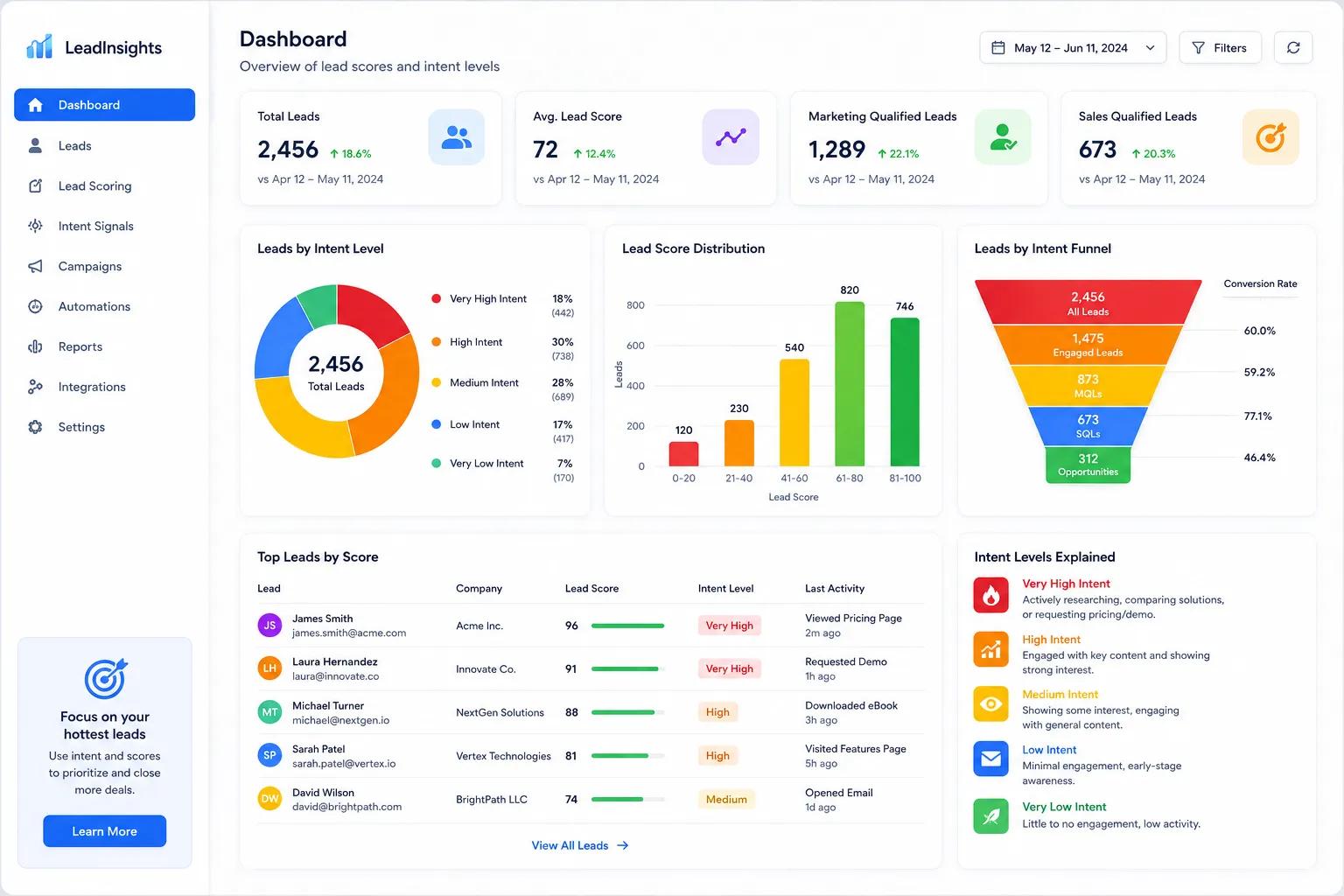
Once the basics are working, we move to more advanced tactics. Strategy 6 is predictive lead scoring.
We use software to score lead qualification based on specific rules. If a lead works for a large company, they get more points. This helps our sales team prioritize high-value prospects who are ready to buy.
Strategy 7 involves behavior tracking to trigger lead capture automation actions at the perfect moment of intent. We watch how users interact with our website.
If a visitor looks at our pricing page three times, we might show them a special offer. This analytics and reporting approach allows us to reach out at exactly the right time.
These advanced steps help us stay ahead of the competition. We do not just wait for leads to come to us.
We use data to find the best opportunities and act on them quickly. This level of intelligence is what separates average growth from rapid scaling.
6. Vital Questions for Mastering Lead Capture Automation
What is the difference between lead generation and lead capture automation?
Lead generation is the process of getting people interested in our brand. Lead capture automation is the specific act of collecting contact information hands-free and instantly.
It ensures that every customer engagement is recorded without manual entry.
Does lead capture automation increase the risk of receiving spam?
It can if we do not use the right filters. We use tools like CAPTCHA and email verification to block fake entries.
Most modern systems include these features to protect our database. This keeps our email marketing lists clean and full of real people.
Which business departments benefit most from these automation tools?
Marketing and sales see the biggest benefits. Marketing can see exactly which ads lead to real customers through conversion tracking.
Sales teams get better leads faster, which helps them meet their goals. Even customer support benefits from having a clear history of a user’s first interactions.
Manual lead entry vs. automated capture: Which is safer for data privacy?
Automated capture is often safer for data privacy. It reduces the number of people who see sensitive data during the entry phase.
We can set strict permissions on who can access the automated files. This helps us stay compliant with laws like GDPR and CCPA.
Scaling a business requires a focus on both speed and quality. We have seen that companies using these strategies grow much faster than those using manual methods.
By investing in the right setup today, we prepare ourselves for more sales tomorrow. We can handle more traffic without needing to hire a massive data entry team.
We encourage you to start with one or two strategies first. Pick the entry point that brings in the most leads and automate it.
Once that works well, add more layers like lead scoring or behavior tracking. This gradual approach makes the transition easier for your entire team. You will soon see the impact on your bottom line and your team’s happiness.
In summary, lead capture automation is no longer just an option for big companies. It is a necessary tool for any business that wants to stay competitive.
We use it to save time, reduce errors, and treat every prospect like a priority. Start your journey toward automated growth today and watch your revenue scale.


9 Proven Metrics to Master Your Beauty Booth ROI Calculation and Dominate Trade Shows
7 Best Offline Foot Traffic Sensor Technologies to Maximize Retail Performance
15 Proven Methods on How to Consolidate Event Data Efficiently to Maximize Analytics ROI
11 Strategic Remote Store Performance Analytics Tactics to Revolutionize Retail Growth
15 Powerful Tactics to Ignite Your Event Lead Follow-up and Maximize Revenue
10 Professional Secrets to Own a Strong Lead Database After Events Without Failure