

Welcome to the world of beauty! This is the guide you need if you are new to beauty and feel slightly overwhelmed.
Learning makeup for beginners may appear challenging at first. With so many beauty tips and techniques, it doesn’t have to be complicated.
This instruction focuses on easy methods for beginners, starting with makeup. These processes are ideal for new learners. They make it easy to achieve natural, beautiful looks.
We’re here to boost your confidence. You will also know how to select the best products for your beginner makeup kit.
Introduction
What does makeup for beginners mean? It starts with understanding the basics. It is equivalent to building from the ground up.
You’ll learn simple products and easy techniques to enhance your natural beauty—not change who you are.
This approach to makeup for beginners builds a foundation for future learning.
Why Basic Techniques Work Best
Basic techniques are more suitable for novice students when learning makeup. Complex looks are overwhelming. They typically require a variety of tools and products.
Simple steps reduce stress. They teach you how to master one thing at a time. This builds your confidence.
The process becomes pleasant for you.
What Will You Achieve From This Guide
This guide will help you achieve several important things. First, you will create natural, polished appearances. They are ideal for daily wear.
Second, you will develop confidence in your abilities. You feel pleased with your looks.
Lastly, you will learn to choose the appropriate products. This ensures your beginner makeup kit lasts as long as possible.
You are going to begin your beauty journey!
Step 1: Your Foundation – Skincare Basics and Kit Essentials
Why Skin Prep Is Essential for Beginners
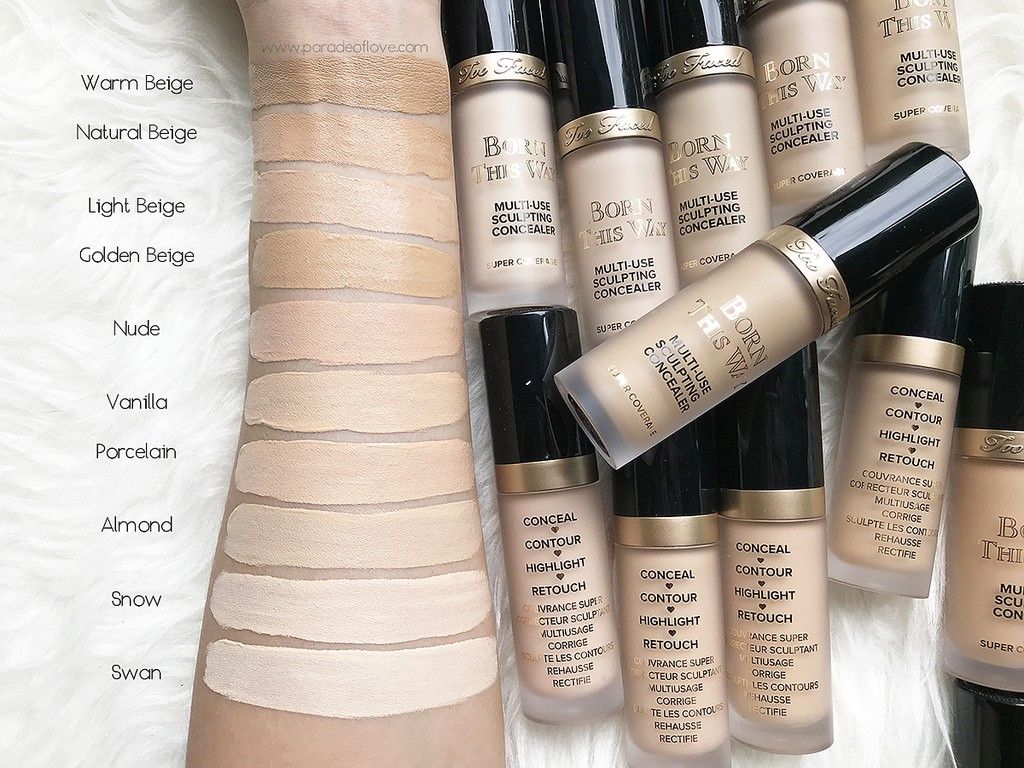
Great makeup starts with healthy skin, and skin prep is one of the most essential basics for beginners.
Often overlooked by beginners, proper preparation makes a big difference by creating a flawless base.
It permits significant improvement in your makeup application.
A major advantage is smoother application. Your foundation will glide without trouble. It will not catch on dry spots.
This ensures an even finish. It also helps you avoid a patchy makeup look.
A smooth foundation creates a perfect appearance.
Skin prep helps your makeup last longer by keeping products in place.
This means fewer touch-ups throughout the day, so your look stays fresh.
It looks fresh for hours.
Lastly, skin prep helps you avoid patchiness and cakiness. Makeup does not sit well on dry areas. Patches of oil may make it separate.
Skin maintenance helps balance your skin for a natural-looking finish.
Your face will not feel thick with makeup on.
Beginner-Friendly Skin Prep Routine
A simple skincare routine is all you need when starting makeup for beginners. Start with a gentle cleanser. Wash away dirt and oil.
This preps your skin for the next steps—use lukewarm water.
Pat your face dry gently.
Then apply a good moisturizer. This hydrates your skin. It creates a barrier.
This protective layer shields your skin and helps makeup glide on smoothly.
Choose a moisturizer suited to your skin type and let it absorb for a few minutes.
SPF is non-negotiable. You always apply sunscreen. This shields your skin against sun damage.
Excessive sun exposure may cause early aging. It can also cause dark spots.
Select a broad-spectrum SPF of 30 or above. Many moisturizers include SPF.
This makes it even easier.
Primer is optional but useful when applying makeup for beginners. You can apply it after moisturizer and SPF. Primer creates a smooth base.
It helps makeup last even longer. It can also blur pores.
Select a hydrating primer if you have dry skin. Apply a mattifying primer on oily skin.
A pea-sized amount is enough.
Must-Have Products for Absolute Beginners
You do not need to spend a lot of money when building your beginner makeup kit. Focus on essential items. These will give you a complete basic look.
Begin with versatile products. The following is a list of necessities for makeup for beginners.
Foundation or Tinted Moisturizer: This helps even out your skin tone—tinted moisturizer is lighter, while foundation offers more coverage.
Choose a shade that matches your foundation.
Concealer: You use this to cover blemishes. It also lightens the circles around your eyes. A little goes a long way.
Get a shade that matches your foundation.
Setting Powder: This sets your liquid products. It prevents creasing. It also controls shine.
Translucent powder works for all skin tones.
Mascara: Mascara opens up your eyes by making lashes look longer and fuller.
Black or brown are traditional choices.
Brow Pencil or Brow Gel: These shape your brows. They frame your face. A pencil fills gaps.
A gel tames unruly hair.
Blush: This adds a healthy glow to your cheeks. It brings life to your face.
Cream or powder blushes are both beginner-friendly.
Lipstick or Tinted Balm: Finish your look with lip color. Tinted balms are moisturizing and subtle.
Lipsticks provide better pigment.
Optional Add-On Products (After You Gain Confidence)
When you are familiar with the basics of makeup for beginners, explore more. These items provide additional flair. They help you try different looks.
Remember that they are not needed to create a complete look.
Neutral Eyeshadow Palette: Look for soft pinks, browns, and beiges. These simplify eye makeup. These tones are extremely versatile.
Bronzer: This gives your face warmth. It creates a naturally sun-kissed look.
Apply it to define your cheekbones.
Highlighter: This adds light to high areas on your face. It creates a glowing effect.
Apply it on cheekbones, brow bones, and cupid’s bow.
Eyeliner: This defines your lash line. It can enlarge your eyes.
Beginners should use pencil liners.
Setting Spray: This helps set your makeup. It helps it last even longer.
It can also reduce a powdery finish.
How to Choose Suitable Products
For makeup beginners, choosing the right cosmetics is essential for both great results and comfort.
Keep these factors in mind while shopping.
First, know your skin type. Is your skin oily, dry, combination or sensitive?
Oily skin benefits from mattifying products, while dry skin needs hydrating formulas.
Combination skin may need different products for different areas, while sensitive skin requires gentle, fragrance-free formulas.
Always read product labels.
Second, determine your undertone—the subtle color beneath your skin—which may be cool, warm, or neutral.
Cool undertones contain pink or blue hues. Warm undertones contain golden or peach ones.
Neutral undertones combine both. Check the veins on your wrist.
Blue or purple veins indicate coolness. Green veins suggest warmth.
If you see both, you are neutral. Matching your undertone avoids an ashy or orange look.
Third, decide on your preferred coverage. Do you want full, medium, or light coverage?
Tinted moisturizers provide light coverage. They allow your natural skin to show.
Medium coverage foundations smooth imperfections. Full coverage foundations conceal nearly everything.
Newcomers tend to perform well with light coverage when starting makeup for beginners. It is less tricky in the foundation application.
You can build coverage anytime you need it.
Step 2: The Step-by-Step Makeup Application Guide
Now comes the exciting part: applying your makeup when learning makeup for beginners! This is a step-by-step routine that suits everyone.
It is user-friendly. You will learn simple tricks for every product.
Practice leads to improvement, so don’t get discouraged.
Apply Primer (Optional)
Primer creates a smooth base for beginners and helps makeup last all day.
It blurs pores and fine lines, providing a smooth canvas for makeup.
Primer smooths your skin.
How much should you use? A pea-sized amount is usually enough—apply it evenly across your face.
Target the areas where makeup tends to fade. Apply it in places where you have larger pores.
Gently pat it into your skin and let it set before the next step.
Some errors that novices make include using too much primer. This can cause makeup to pill.
It will also cause your foundation to slip. Failing to allow it to dry is another error.
Give it time to set. This provides the best results.
Apply Foundation or Tinted Moisturizer
Color matching is the most important step for beginners—test shades on your jawline, and the right one will blend seamlessly into your skin.
Look at it in natural light. This ensures the best match.
Do not test on your hand.
You can apply the foundation in various ways. Fingers provide light coverage. They warm the product.
A damp makeup sponge creates a natural look. It blends the product smoothly.
A foundation brush offers precise coverage and is ideal for building layers.
Test to determine your preferred foundation application method.
To blend it, start in the center of your face. Work your way outward. Make small dabbing or stippling strokes.
Do not drag the product. Blend into your hairline and jawline.
Avoid harsh lines for a smooth, seamless transition.
Your skin must appear natural.
Apply Concealer
You use concealer to hide blemishes when applying makeup for beginners. Where should you apply it?
Use it under your eyes. This brightens dark circles. Use it on red spots or pimples.
A small dot is often enough. You may also apply it on your nose.
This area often has redness.
Blending is key to preventing creasing—use your ring finger, as its warmth helps the product melt into the skin.
Gently tap the product. Do not rub it.
A damp sponge also works well. Blend the edges of the concealer.
Ensure it blends seamlessly with your foundation, and avoid using too much.
Too much concealer can settle into fine lines.
Set Your Base
For beginners, setting powder locks in your base makeup while preventing shine and creasing.
When should you use powder? Use it on top of your liquid or cream products. This follows foundation and concealer.
It holds everything in place. It ensures longevity.
Translucent powder is clear. It works for all skin tones.
Tinted powder provides a minor level of coverage. It matches your skin tone.
Translucent powder is safe for beginners. It is forgiving.
It does not change your foundation color.
Avoiding a cakey effect is easy. Use a light hand. Dip a fluffy brush in the powder.
Tap off any excess. Lightly dust the powder on your face.
Focus on your T-zone. This area often gets oily.
Less is more with powder. You want to set, not cover heavily.
Brows for Beginners
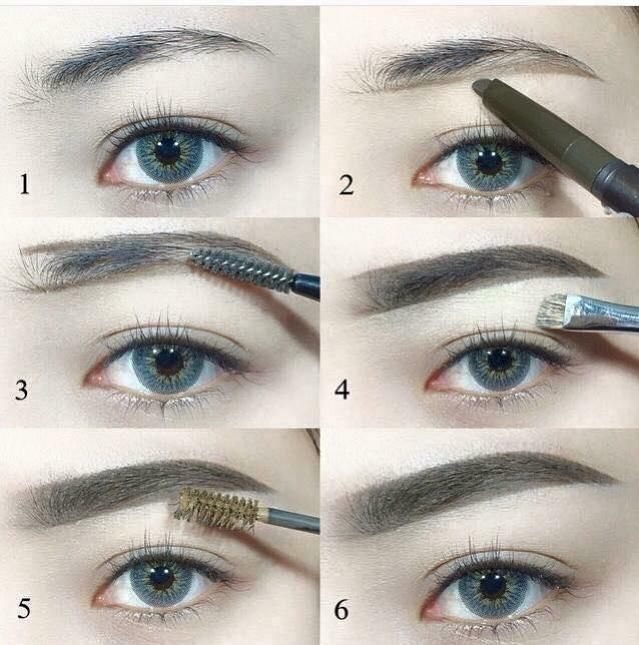
Eyebrow grooming frames your face when learning makeup for beginners. Your brows can enhance your whole look.
The simplest filling method works best. Select a brow pencil or brow powder.
Make sure the shade matches your eyebrow hair. Use light, feathery strokes.
Mimic natural brow hairs.
Begin by following the bottom line. Then fill in sparse places lightly.
Brush your brows with a spoolie to soften any harsh lines.
It also distributes the product evenly. Always blend well.
This produces an organic finish.
How do you avoid heavy or blocky brows? Do not draw a solid line.
Avoid pressing too hard. Use a light touch instead.
The inner part of your brow needs the least emphasis. This area should be the lightest.
The tail of your brow may be slightly darker. Practice makes your eyebrows look natural.
Easy Eye Makeup
Eye makeup can be simple and gorgeous when learning makeup for beginners. Try the one-shadow method first with basic eyeshadow techniques.
Choose a neutral eyeshadow. A light brown or soft peach shade works well.
Apply it all over your eyelid. Use a fluffy brush.
Blend it gently into your crease. This gives shape without effort.
Simple mascara tips are easy to follow. Curl your lashes first. Use an eyelash curler.
Next, wiggle the mascara wand at the base of your lashes. Pull it upward to the tips.
Apply one or two coats for longer, more voluminous lashes.
Avoid pumping the wand, as it adds air and dries out the product.
Clean up clumps using a clean spoolie.
For easy eyeliner when doing makeup for beginners, use a pencil. Select a brown or black pencil.
Create tiny dots along your upper lash line. Then, connect the dots.
Apply a thin line near the lashes and blend slightly for a softer finish.
Do not use liquid liner at first. It requires a steadier hand.
Add Natural Dimension
Blush, bronzer and highlighter add dimension when applying makeup for beginners. Blush is color that brightens your face.
Proper blush placement creates a natural flush—smile to find the apples of your cheeks.
Apply blush to the highest point. Blend it upward toward your temples.
Use soft, circular motions. Light pink or peach blush shades suit everyone.
Bronzer basics are simple with basic contouring methods. Use the 3-shape method.
Draw a number three on each side of your face. Start at your forehead hairline.
Sweep down to your temples. Move under your cheekbones next.
Lastly, brush along your jawline. This creates sun-kissed warmth.
Do not use too much. Blend thoroughly to avoid harsh lines.
Highlighter use illuminates your face. Where should you apply it?
Apply it to the high points, especially the tops of your cheekbones.
Apply it on your brow bones. Add the slightest touch on the bridge of your nose.
Add a dab on your cupid’s bow. This gives your lips a fuller effect.
Apply with a light hand. You want a subtle highlight.
Lips
Lips are the final aspect of makeup for beginners. How do you select shades for daily wear?
Nude, pink or berry are great lipstick choices. Choose a shade that complements your natural lip color.
Tinted balms are moisturizing and convenient. They offer sheer color.
Lipsticks provide greater pigment. Try different finishes.
These include satin, glossy, and matte versions.
Lip liner basics are straightforward. Lip liner defines your lips.
It also prevents lipstick from bleeding. Select a liner that matches your lipstick color.
Or, pick a clear liner. Start by outlining your cupid’s bow.
Then trace the rest of your lips. You can lightly fill in your lips with the liner.
This helps your lipstick last longer. Apply your lipstick or balm after the liner.
Quick Everyday Routine (5-7 Minutes)
There are times when you need quick makeup. This routine is perfect for busy days when learning makeup for beginners.
It gives you a polished look in a short time. These basics work well for school or work.
You will look presentable and well-dressed.
Start with moisturizer and SPF. Then, apply tinted moisturizer or light foundation.
Use a damp sponge for speed. Cover any blemishes or under-eye circles.
Dust powder on your T-zone. Fill in your brows quickly.
Use a brow gel for speed. Add one coat of mascara.
A swipe of blush brightens your face. Finish with a tinted lip balm.
You are ready to go!
Please refer to Elaine Park for a simple & easy daily makeup look!
Mastering Your Look: Makeup Tools, Tips, and Troubleshooting
Beyond the basics of makeup for beginners, understanding your skin is key. Knowing how to troubleshoot common issues helps.
The right makeup tools also make a big difference. Let’s explore these important aspects.
Makeup Tips for Different Skin Types
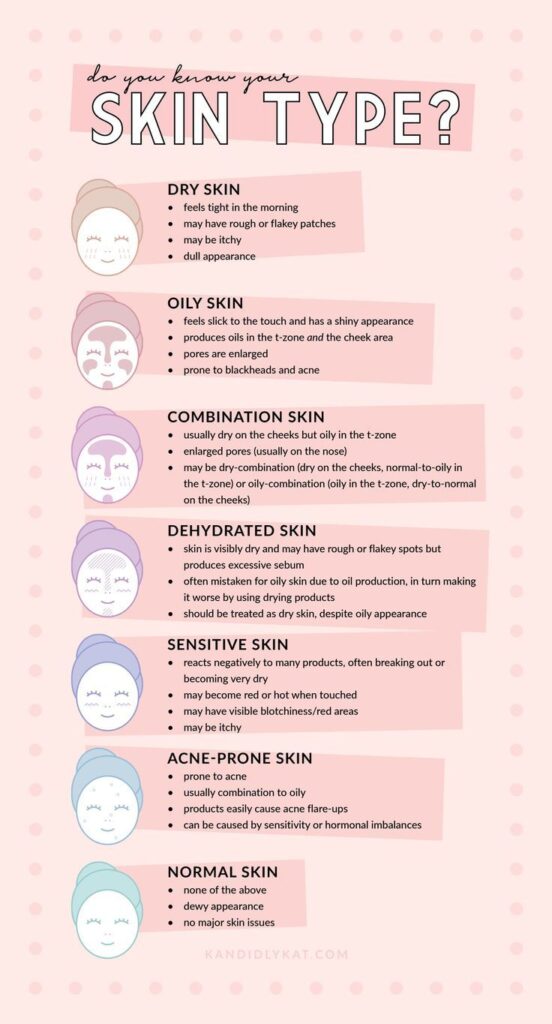
Your skin type dictates your product choices when learning makeup for beginners. It also influences application techniques.
Knowing your skin helps you get optimal results.
Makeup for Oily Skin: Select oil-free and mattifying products when doing makeup for beginners. Find products labeled non-comedogenic.
These will not clog pores. Powder foundations may help.
Your application techniques should aim to control oil. Use a mattifying primer.
Set your makeup with powder. Carry blotting papers for touch-ups.
This helps avoid makeup meltdown during the day.
Makeup for Dry Skin: Hydrating formulas are your friend. Find products containing hyaluronic acid or glycerin.
Liquid foundations and cream blushes are appropriate. Avoid heavy powders.
They can emphasize dry areas. Proper prep is crucial.
Apply a thick moisturizer and primer. This prevents a flaky finish.
Use a damp sponge to apply makeup. This adds hydration and creates a dewy look.
Makeup for Acne-Prone Skin: These tips are necessary when learning makeup for beginners. Choose non-comedogenic makeup.
These products do not clog pores. Look for ingredients like salicylic acid in cosmetics.
Avoid heavy, pore-clogging formulas. Apply makeup gently.
Use clean hands or brushes. This prevents irritation.
Green color correctors can neutralize redness. Apply on bare skin before foundation.
Makeup for Sensitive Skin: Avoid ingredients like fragrance or alcohol when applying makeup for beginners. These can irritate delicate skin.
Mineral cosmetics usually perform well. They contain fewer irritants.
Always patch test new products. Apply a bit behind your ear.
Wait 24 hours for any reaction. Use simple formulas with few ingredients.
Sensitive skin reacts less to simpler products.
Common Beginner Makeup Mistakes and How to Fix Them
Everyone makes mistakes when starting out with makeup for beginners. The good news is they are easy to fix.
These tips help you improve fast.
Using Too Much Product: This is a widespread mistake in makeup for beginners. It causes a heavy or cakey appearance.
Start with a tiny amount. Build coverage gradually where necessary.
You can always add more, but removing is difficult.
Wrong Shade Matching: The wrong shade of foundation or concealer is noticeable. It creates a line on your jaw.
Always test shades on your jawline. Check it in natural light.
Request samples to test at home.
Over-blending or Under-blending: Under-blended makeup appears streaky. Over-blending may remove the product.
Find a balance. Use short tapping or buffing strokes.
Blend until the product seamlessly merges into your skin.
Thick Eyeliner: Thick, heavy eyeliner makes eyes appear smaller when doing makeup for beginners. It can also look messy.
Start with a thin line. Keep it close to the lash line.
You can always build it up slowly.
Unset Concealer Creasing: Under-eye concealer tends to crease. This happens if you do not set it.
Always apply setting powder. This locks it in place.
Overly Drawn Brows: Brows that are too dark or harsh appear unnatural. Use light, feathery strokes.
Always brush through with a spoolie. This softens the look.
Not Prepping Skin: Skipping skin prep ruins your whole look when learning makeup for beginners. Your makeup will not apply smoothly.
It will not last as long. Always cleanse, moisturize, and apply SPF first.
Essential Makeup Tools for Beginners
The right makeup tools make application easier when learning makeup for beginners. You do not need many different brush types.
A handful of essential items help you begin.
Sponge: A damp beauty sponge blends foundation and concealer beautifully. It gives a natural, airbrushed finish.
Foundation Brush: A buffing brush or flat-top brush applies foundation evenly. It helps build coverage.
Blush/Bronzer Brush: A fluffy, angled brush is multi-purpose. It applies blush and bronzer easily.
Eyeshadow Blending Brush: A soft brush with fluffy bristles is necessary. It blends eyeshadow evenly.
Tool Care and Hygiene
Clean tools are crucial for makeup for beginners. They ensure a smooth application.
They also help avoid skin problems. How often should you clean brushes?
Ideally, once a week. Wash them more frequently if you use them daily.
You should wash sponges after every 1-3 uses.
Use gentle soap or brush cleanser to clean brushes. Wet the bristles.
Apply cleanser. Gently swirl the brush on your palm.
Rinse under water until the water runs clear. Reshape the bristles.
Lay brushes flat to dry. Do not stand them upright.
Water may seep into the ferrule. This can loosen glue.
The importance of hygiene: Dirty brushes harbor bacteria. This can lead to breakouts.
It may also cause skin irritation. Clean brushes also perform better.
They apply product smoothly. This guarantees a perfect finish.
Investing in good tools means investing in good hygiene as well.
Smart Shopping & Beauty Tips for Beginners
Navigating the beauty aisle can be tricky when starting makeup for beginners. Knowing where to spend and where to save matters.
The following are beauty tips for building your beginner makeup kit. We also discuss frequently asked questions.

What to Buy on a Budget vs. What to Invest In
You do not have to spend exorbitantly to create a beautiful look with makeup for beginners. However, some products are worth a little more.
Knowing the distinction helps you shop smartly.
Products Worth Investing In:
Base Makeup: Your foundation and concealer sit right on your skin. They cover the largest area.
Invest in good quality here. It influences skin health and your overall look.
Find formulas that suit your skin type.
Brushes/Sponges: Good tools make a huge difference when learning makeup for beginners. Quality brushes blend well.
They last longer. They also apply product more easily.
An excellent sponge produces a flawless look.
Products You Can Save Money On:
Eyeshadow Palettes: Many budget brands sell excellent eyeshadows. Their pigments are quite good and blendable.
You do not need to spend a lot.
Lipsticks/Lip Balms: Drugstore lip products are usually terrific. Colors and formulas are numerous.
They suit experimenting with new hues.
Mascara: You should replace mascara frequently. It dries out.
Most budget mascaras perform as well as expensive ones.
Frequently Asked Questions (FAQ)
You must have lots of questions as a beginner when learning makeup for beginners. The following are responses to some common questions.
They will facilitate your makeup journey.
Do I apply concealer or foundation first?
Most professionals propose using foundation first when applying makeup for beginners. This evens out your skin tone.
Then you identify the spots where you still need concealer. This frequently means you use less concealer.
It gives a more natural appearance.
Do beginners need primer?
Primer is not necessary, although it is highly desirable for makeup for beginners. It creates a smooth canvas.
It makes your makeup last longer. As a beginner, apply a hydrating or blurring primer to simplify the process.
It helps products glide smoothly.
How do I keep makeup lasting all day?
You can use a few steps to make your makeup last when doing makeup for beginners. Start with proper skin prep.
Use a good primer. Apply thin layers of product.
Set your cream or liquid makeup with powder. Finally, use a setting spray.
These measures lock your look in place.
What is the easiest eye makeup look?
The simplest is the one-shadow technique when learning makeup for beginners. Use a neutral eyeshadow.
Light brown, taupe or soft peach work well. Blend it all over your eyelid.
Add mascara. This creates definition and brightness with minimal effort.
It is perfect for everyday wear.
How do I find my undertone?
Check the veins on your wrist—blue or purple veins suggest a cool undertone.
Green veins reveal a warm undertone. When you notice both, you probably have a neutral undertone.
Another method is holding white fabric next to your face. If your skin appears pinkish or bluish, you are cool.
If it appears yellowish or golden, you are warm.
How much makeup is too much?
Excessive makeup is a matter of opinion when doing makeup for beginners. It depends on your desired look.
Less is usually more, especially for novices. Heavy application may appear unnatural.
It is also uncomfortable. Start with minimal product.
Build up if needed. The idea is to enhance your features.
You should not hide them.
Your Beginner-Friendly Makeup Checklist
This list should help you plan your makeup for beginners journey. Save it for daily shopping and activities.
It ensures you are well-equipped.
Product Checklist
- Gentle Cleanser
- Moisturizer
- SPF (Sunscreen)
- Primer (Optional)
- Foundation or Tinted Moisturizer
- Concealer
- Setting Powder
- Brow Pencil or Gel
- Mascara
- Blush (Cream or Powder)
- Lipstick or Tinted Lip Balm
- Makeup Sponge
- Fluffy Powder / Blush Brush
- Eyeshadow Blending Brush
Optional Upgrades:
- Neutral Eyeshadow Palette
- Bronzer
- Highlighter
- Eyeliner (Pencil)
- Setting Spray
Note: Remember to choose products for your specific skin type and undertone!
Daily Makeup Steps Checklist
- Skincare Prep (Cleanse, Moisturize, SPF)
- Base (Primer, Foundation or Tinted Moisturizer, Concealer)
- Set (Light dusting of Setting Powder)
- Brows (Fill and set brows gently)
- Eyes (One shadow, Mascara, optional Eyeliner)
- Cheeks (Blush, optional Bronzer or Highlighter)
- Lips (Lip liner, Lipstick or Tinted Balm)
- Setting (Optional Setting Spray)
Conclusion
Well done, you have taken the initial step! Learning makeup for beginners is a pleasant experience.
Remember, practice is essential when mastering makeup for beginners. Do not be afraid to try new products and methods.
Everyone starts somewhere. Your abilities will enhance over time with patience.
Always remember that less can be more when learning makeup for beginners. Simple and natural looks are flattering, especially for beginners.
They build confidence but do not need complicated skills. Focus on enhancing your natural beauty when doing makeup for beginners.
This will serve you well. You now have the ability to make smart choices on products.
You can apply them with skill. Feel confident in your daily routine with your new makeup for beginners skills!


Best Sunscreen for Laser Hair Removal 2026 (Dermatologist Picks)
How to Choose A Foundation Shade: A Step-by-Step Guide
How to Fill In Eyebrows for Beginners (Step-by-Step Tutorial)
Safe Suntan Lotion Pregnancy: Top Picks Recommended by Doctors
Does Laser Hair Removal Hurt? The Realistic Guide to Pain, Comfort, and Results
7 Fascinating Facts About Chin Dimples: Causes & Treatments