
Diving into the world of cosmetics can be exciting. You create amazing products, but what comes next?
Understanding how to label cosmetic products correctly is absolutely critical. Proper labeling is not just about looking good; it is about meeting legal requirements.
It protects your customers and your brand. I am here to guide you through the seven essential rules for full compliance, making sure your products are market-ready and trustworthy.
1. Establishing the Principal Display Panel (PDP)
The Principal Display Panel, or PDP, is the part of your product label that consumers see first. Think of it as the “front” of your product.
This panel must carry specific, clear information. It is your first chance to make a good impression and share vital details.
Rule 1: Defining the Statement of Identity
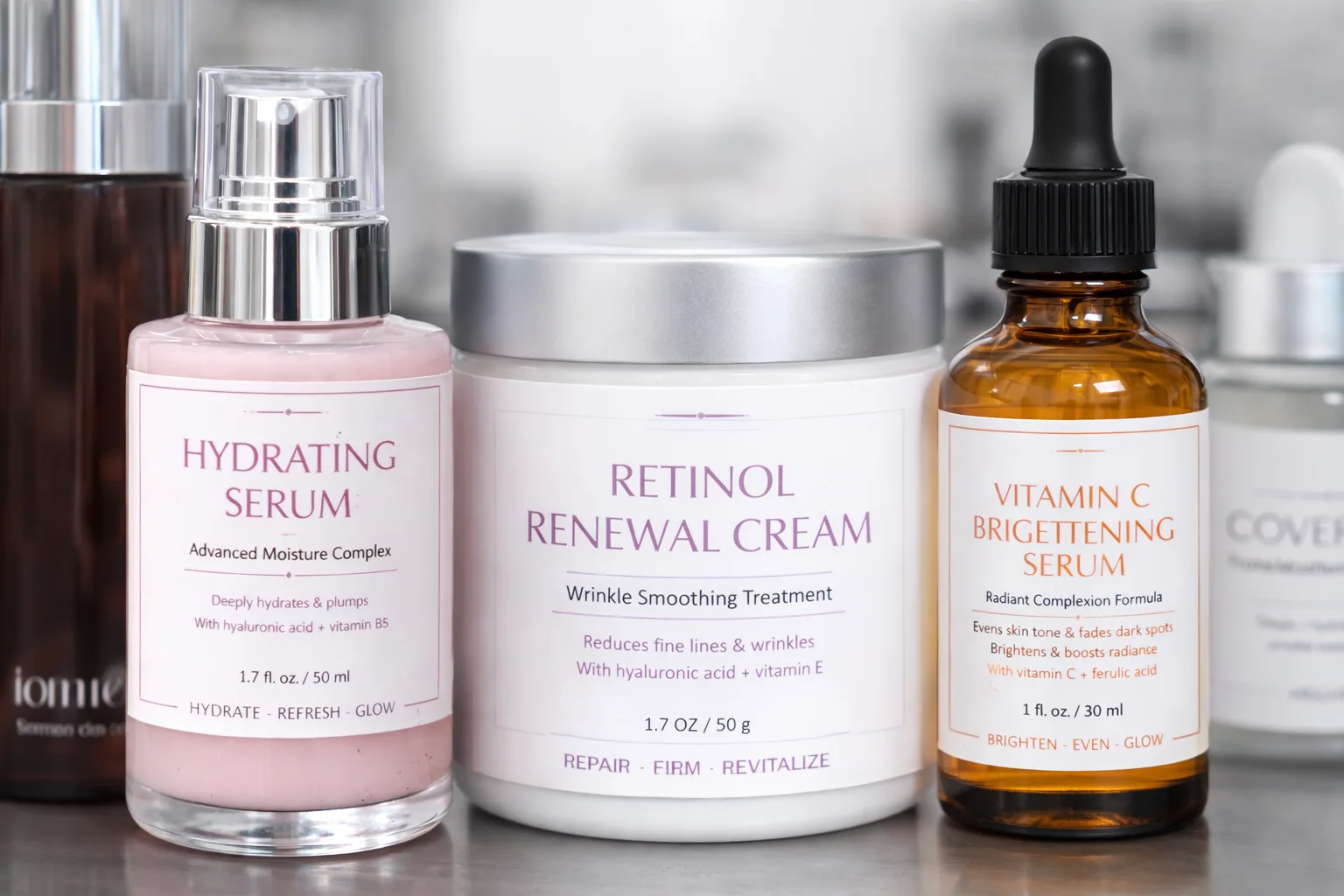
Your product’s identity must be unmistakable. This is what you call the cosmetic. For instance, “Moisturizing Face Cream” or “Herbal Shampoo.”
The statement of identity needs to be bold and clear. It tells consumers exactly what they are buying at a glance. We must avoid generic terms that do not truly describe the product.
Rule 2: Declaring the Net Quantity of Contents
This rule specifies the amount of product inside the package. You must state the net weight or volume accurately. Use both metric and U.S. customary units.
For example, “Net Wt. 2 oz (56g)” or “4 fl oz (118mL).” This information helps consumers compare products easily.
Meeting Minimum Type Size and Prominence Standards
The net quantity statement has strict font size rules. Its size depends on the package area of your PDP. It must also be printed in a clear, contrasting color.
This ensures it is easy to read. Proper prominence prevents any consumer confusion about the product amount.
2. Mastering the Technical Ingredient Declaration
The ingredient list is a cornerstone of cosmetic labeling regulations. It provides transparency to your customers.
Many consumers look at this list closely, especially those with sensitivities or allergies. Getting this right is vital for safety and trust.
Rule 3: Utilizing Standardized INCI Nomenclature
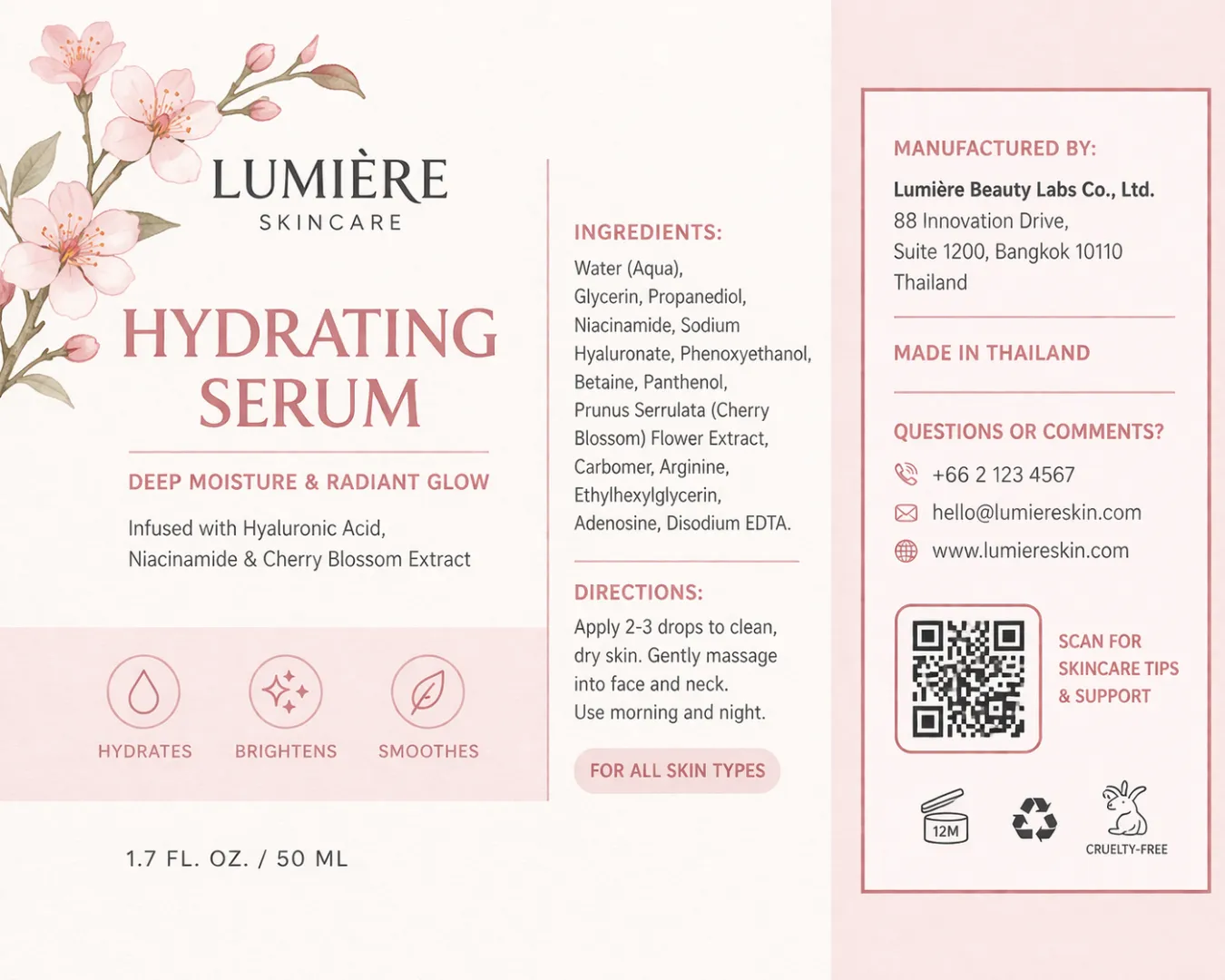
INCI stands for International Nomenclature Cosmetic Ingredient. These are global names for cosmetic ingredients. You must use these standardized names on your product ingredient list.
This helps consumers worldwide understand what is in your product. It ensures consistency across different brands.
Rule 4: Sequencing Ingredients by the Order of Predominance
The list begins with the ingredient present in the largest amount and continues in descending order. Water, for example, is often the first ingredient in many lotions.
This order continues down to ingredients present at 1% or less. This rule gives consumers an idea of the main components.
Managing Exceptions for the 1% Threshold and Color Additives
Ingredients present at 1% or less can be listed in any order after the main ingredients. This offers some flexibility.
Color additives are also an exception. You can list them last in any order and identify them by their official FDA names. For instance, “FD&C Blue No. 1.” This clear system simplifies the product ingredient list.
3. Documenting Business Accountability and Safety
Every cosmetic product needs clear accountability. Consumers need to know who made or distributed the product.
This builds trust and provides a contact point for questions or concerns. It is a critical part of consumer protection.
Rule 5: Identifying the Manufacturer or Distributor
Your label must clearly state the name and place of business. This includes the street address, city, state, and zip code.
If you list a distributor, also include “Distributed by” or “Manufactured for.” This makes it easy to trace the product back to its source. It fosters accountability.
Rule 6: Integrating Modern MoCRA Contact Requirements
The Modernization of Cosmetics Regulation Act (MoCRA) introduced new requirements. Now, labels must include a domestic contact address, phone number, or electronic contact information.
This allows consumers to report adverse events directly. This is a significant step in enhancing cosmetic labeling regulations and consumer safety.
Formatting Warning and Cautionary Statements for Specific Formulas
Some cosmetic products require specific warnings. For example, hair dyes must warn about patch testing. Products in aerosol cans need flammability warnings.
These statements must be prominent and easy to read. They help prevent misuse and protect consumer health. Always check for specific warnings related to your product type.
4. Validating Marketing Claims and Global Standards
Marketing claims are powerful tools, but they must be accurate and legally compliant. What you say about your product matters a lot.
Misleading claims can lead to serious regulatory issues. Brands that know how to label cosmetic products correctly will always stay ahead of compliance challenges.
Rule 7: Differentiating Cosmetic vs. Drug Labeling Claims
This is a crucial distinction. A cosmetic product is for cleansing, beautifying, or altering appearance. A drug is for treating, preventing, or curing disease.
If your product claims to treat acne or reduce wrinkles by affecting body structure, it might be a drug. Drug claims require FDA approval, which is a much stricter process. Ensure your claims align with your product’s true classification.
Adapting Labels for European Union and Canadian Regulations
If you plan to sell internationally, you must adapt your labels. Knowing how to label cosmetic products for the EU and Canada is especially important, as both markets have their own comprehensive regulations.
The EU requires a PAO (Period After Opening) symbol and a specific ingredient list format. Canada has specific bilingual labeling rules. Research these differences early in your planning.
Language and Translation Requirements for International Markets
For international markets, language translation is often mandatory. In Canada, labels must be bilingual (English and French).
The EU may require multiple languages depending on the target countries. Ensure all information is accurately translated. Misleading translations can cause compliance issues. Always use professional translation services for critical label text.
5. Physical Execution and Material Durability
Beyond the words, the physical label itself matters. It needs to withstand the product’s environment and use.
A great label design is useless if it peels off or fades quickly. Knowing how to label cosmetic products properly includes choosing the right materials for longevity.
Selecting Substrates for Moisture and Oil Resistance
Cosmetics often encounter water, oils, and other substances. Your label material must resist these elements. Look for waterproof or oil-resistant label stocks.
Vinyl or BOPP (Biaxially Oriented Polypropylene) materials are good choices. This ensures your label remains intact and readable throughout the product’s life.
Executing Layouts for Small-Scale or Irregular Containers
Small tubes, oddly shaped bottles, or compacts present unique challenges. You might need wrap-around labels or multi-panel designs. Sometimes, information can be on the outer packaging.
Prioritize the most critical information on the primary label. Ensure all required information is present and legible, even on tiny containers.
Legality of Off-Package Labeling and Accompanying Leaflets
For very small products, some information can legally appear off-package. This includes accompanying leaflets or outer cartons.
However, core elements like the statement of identity and net contents must stay on the primary package. Always check specific regulations for minimum font sizes and required on-package details. This helps ensure full cosmetic labeling regulations compliance.
6. Supplemental Compliance Insights and FAQs
Navigating how to label cosmetic products correctly can bring up many questions. Let’s tackle some common hurdles.
Understanding these nuances helps us avoid mistakes. We want to be fully confident in our labeling choices.
Is it legal to claim a product is “Chemical-Free” on a cosmetic label?
No, it is generally misleading to claim a product is “chemical-free.” All substances are chemical in nature, even water. Regulators may view this claim as deceptive.
Focus on specific beneficial ingredients or the absence of particular undesirable ingredients instead.
What qualifies as a “Principal Display Panel” under FDA law?
At the point of purchase, the Principal Display Panel (PDP) is the label section that consumers most often view and examine. It is essentially the front face of your product packaging.
If a package has multiple sides that could serve this purpose, any one of them can be designated as the PDP.
Which fragrance allergens must be individually listed on the label?
Under current U.S. FDA regulations, individual fragrance ingredients (including allergens) generally do not need to be listed. They can be declared simply as “fragrance” or “parfum.”
However, the European Union mandates the individual listing of 26 specific fragrance allergens if they exceed certain concentrations. Some brands voluntarily list them for transparency, especially for sensitive consumers.
Closing the Loop: Comparing Regulatory Risks and Brand Benefits
Ignoring cosmetic labeling regulations carries significant risks. You could face product recalls, fines, and damage to your brand reputation.
On the other hand, brands that know how to label cosmetic products correctly build immense trust with their customers. This dedication strengthens consumer loyalty and fosters positive brand recognition.
Investing time in compliant labeling is always a smart business decision.
Conclusion
Mastering how to label cosmetic products might seem complex. However, following these seven rules gives you a clear roadmap.
From the Principal Display Panel to detailed ingredient lists and modern contact requirements, each step is vital. We want your products to not only look great but also be fully compliant and safe.
Brands that truly understand how to label cosmetic products gain a real competitive advantage. This commitment ensures consumer trust and helps your brand thrive in a competitive market.


Effective Strategies for Lead Capture at Events
Beauty Product Advertisement Script for Beauty Booth Consultations That Convert
Beauty Booth Conversion Strategy: 35% Sales Lift
How to Develop a Skincare Line and Turn It Into a Profitable Brand
How to Attract People to Your Booth: Proven Strategies for Event Success
Global Cosmetics Expo: Top 5 Key Insights For Shaping Beauty’s Future