

Laser hair removal gives you smooth skin, but sun protection is necessary. The quality and safety of your treatments are largely dependent on the quality of your sun protection. The knowledge of which sunscreen for laser hair removal can be the difference between the best and the worst results.
The Crucial Role of Sunscreen for Laser Hair Removal
Understanding Laser Hair Removal and Skin Sensitivity
Laser hair removal involves the application of focused light to the pigments of hair follicles. The procedure is useful in destroying the follicle in developing hair. The treatment is effective, but the process temporarily exposes the skin to the sun’s UV, thereby making it more susceptible to UV.
Following treatment, the skin becomes more sensitive and red with an augmented probability of pigment changes. Due to the sensitivity of the skin, regular sunscreen use with high-quality products is another aftercare that must be followed.
Why Sunscreen is Non-Negotiable & Key Features to Look For
Before and after having laser hair removal procedures, it is essential to protect your skin with the relevant sunscreen. This helps avoid problems, makes the treatment work better, and protects your skin.
Preventing Hyperpigmentation and Hypopigmentation
Laser treatment may lead to dark spots as well as light ones when exposed to the sun. The reactive cells can be made to become the melanin-producing cells. Lack of defense against the sun can lead to excessive melanin production, which could result in visible and in some cases, permanent discoloration.
Hyperpigmentation can be prevented by the application of sunscreen properly. It preserves delicate skin against UV light and even maintains the skin tone.
Minimizing the Risk of Burns and Skin Damage
The laser-treated skin is similar to the mild sunburn in terms of its direct sensitivity. Direct sunlight will destroy delicate skin without sun protection, inducing sunburn, irritation, or blisters. Sunscreen is a vital obstacle that will go a long way in reducing the likelihood of UV disaster and pain, enabling the skin to heal.
Ensuring Optimal Treatment Results and Safety
The laser hair removal processes must be effective and safe, and to get the best result,s you must have the best skin. Exposure to the sun may decrease the healing speed, necessitating a change in the laser, which would decrease the outcomes. Consistent sun protection facilitates extended treatment schedules and helps every visit to become as productive as possible.
The Dangers of Sun Exposure Before and After Sessions
Exposure to sunlight may result in burns and color changes after laser hair removal. The pre-session exposure to the sun is also dangerous, however. The skin is tanned, thus any laser treatment is prone to burns and rather severe side effects. The majority of clinics recommend that patients should not spend time in the sun for a few weeks before commencing treatment.
Key Features to Look for in a Sunscreen for Laser Hair Removal
The choice of the appropriate sunscreen should be based on knowledge of the particular formulations and ingredients. Clinics should prioritize gentleness, effectiveness, and overall protection of sensitive skin after laser procedures.
Mineral vs. Chemical Sunscreens: Which is Best?
People often debate which sunscreen for laser hair removal is better, mineral or chemical? Mineral sunscreens are usually better for laser-treated skin because they are gentler.
Why Mineral Sunscreens (Zinc Oxide, Titanium Dioxide) are Generally Preferred: Mineral sunscreens, also called physical sunscreens, contain natural minerals like zinc oxide and titanium dioxide. These components are on the skin surface as a physical barrier, which reflects and scatters UV rays. This process causes them to be less likely to cause irritation or allergy to sensitive skin after laser. Mineral sunscreens are usually better for laser-treated skin because they are gentler.
Considerations for Chemical Sunscreens and Potential Irritation: Chemical sunscreens absorb UV rays, convert them into heat, and release the heat through the skin. Mineral sunscreens are usually better for laser-treated skin because they are gentler.
SPF Level: How Much Protection Do You Need?
Sun Protection Factor (SPF) determines the level of protection of a sunscreen against UVB rays that cause sunburn the most. A higher SPF is essential when it comes to skin during the process of laser hair removal or its healing process.
Recommendations for SPF 30+: While SPF 30 remains the standard recommendation, professionals typically advise SPF 50 sunscreen for laser hair removal and high-exposure conditions. This level offers excellent protection against sunburn.
The Importance of High SPF in Sensitive Areas: Areas that are frequently exposed to the laser, such as the face, bikini, and underarms, are especially sensitive. The main thing in such regions is that the SPF must be plenty to prevent the occurrence of any irritation or safeguard the skin. The quality of protection is highly reliant on the protection that you receive after laser hair removal.
Broad-Spectrum Protection: Guarding Against UVA and UVB Rays
In addition to SPF, always look for a broad-spectrum designation. This means that the sunscreen inhibits UVA and UVB rays.
UVA Rays: These rays cause aging, wrinkles on the skin, and may reach deep into the skin.
UVB Rays: Sunburn is mainly caused by this.
Because both can damage the skin and cause hyperpigmentation, broad-spectrum sunscreen is necessary after laser treatment.
Ingredients to Avoid: Irritants, Fragrances, and Allergens
To avoid worsening the already delicate skin, search the list of ingredients. It should be an unscented laser sunscreen since scents are mainstream irritants. Alcohol, harsh preservatives, and artificial dyes should be avoided unless, of necessity, they may irritate the skin.
Other Desirable Qualities: Non-comedogenic, Hypoallergenic, Water-Resistant
Non-comedogenic: It means the product is formulated not to clog pores, reducing the risk of breakouts on sensitive skin.
Hypoallergenic: Hypoallergenic products are usually designed to reduce the number of allergic reactions and thus are applicable in sensitive skin sunscreen after laser.
Water-Resistant: When you are sweating or when it is raining, a water-resistant formula will be able to protect you longer.
For some sunscreen options, see 7 Best Picks for Bioderma Sunscreen: Safe, Gentle Protection
Recommended Sunscreens & Application Guidelines
Top Recommendations of Sunscreen for Laser Hair Removal (General Categories)
Even though brands vary, these general guidelines can help you choose a good sunscreen for laser hair removal:
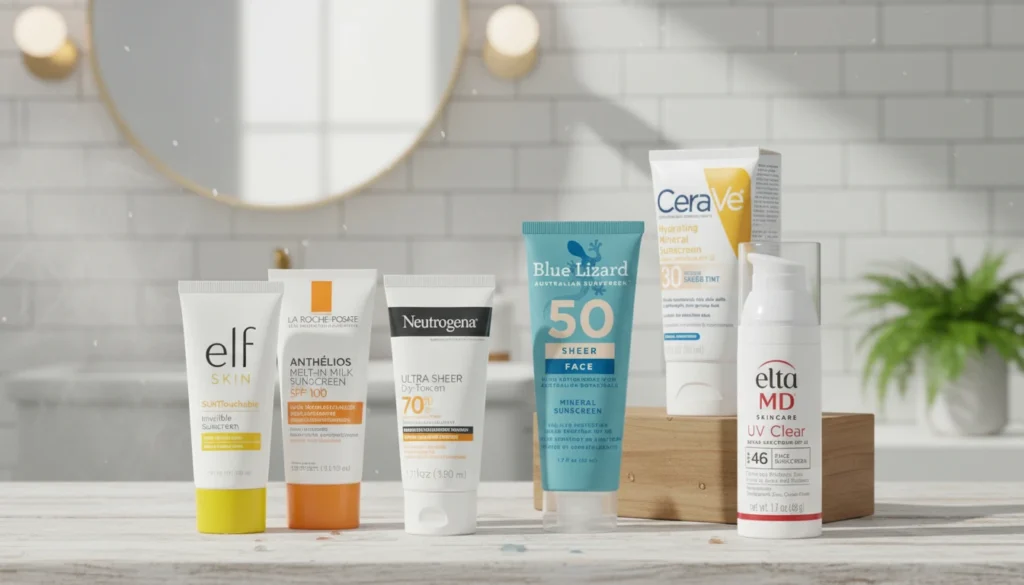
Best Mineral Sunscreens for Sensitive Skin: With a high level of zinc oxide and titanium dioxide, the best mineral sunscreens for sensitive skin are those that specifically show that these two are combined. They come in an approximate form but provide excellent sunscreens that are post-laser sensitive and suitable for sensitive skin. Most of the brands formulate them to either make them sheer or coloured in order to eliminate the white cast.
Fragrance-Free and Gentle Formulas for Post-Treatment Skin: The best ones are the fragrance-free and hypoallergenic sunscreens specifically meant to treat sensitive skin, whose oil can be used. These sunscreens are not irritating to skin that has been laser-treated, making them gentle.
Sunscreens Specifically Designed for Face and Body: Some of these are light and non-comedogenic sunscreens, which you apply on the face, and a stronger water-resistant sunscreen on the larger portions of the body, depending on your daily activities.
When and How to Apply Sunscreen for Laser Hair Removal
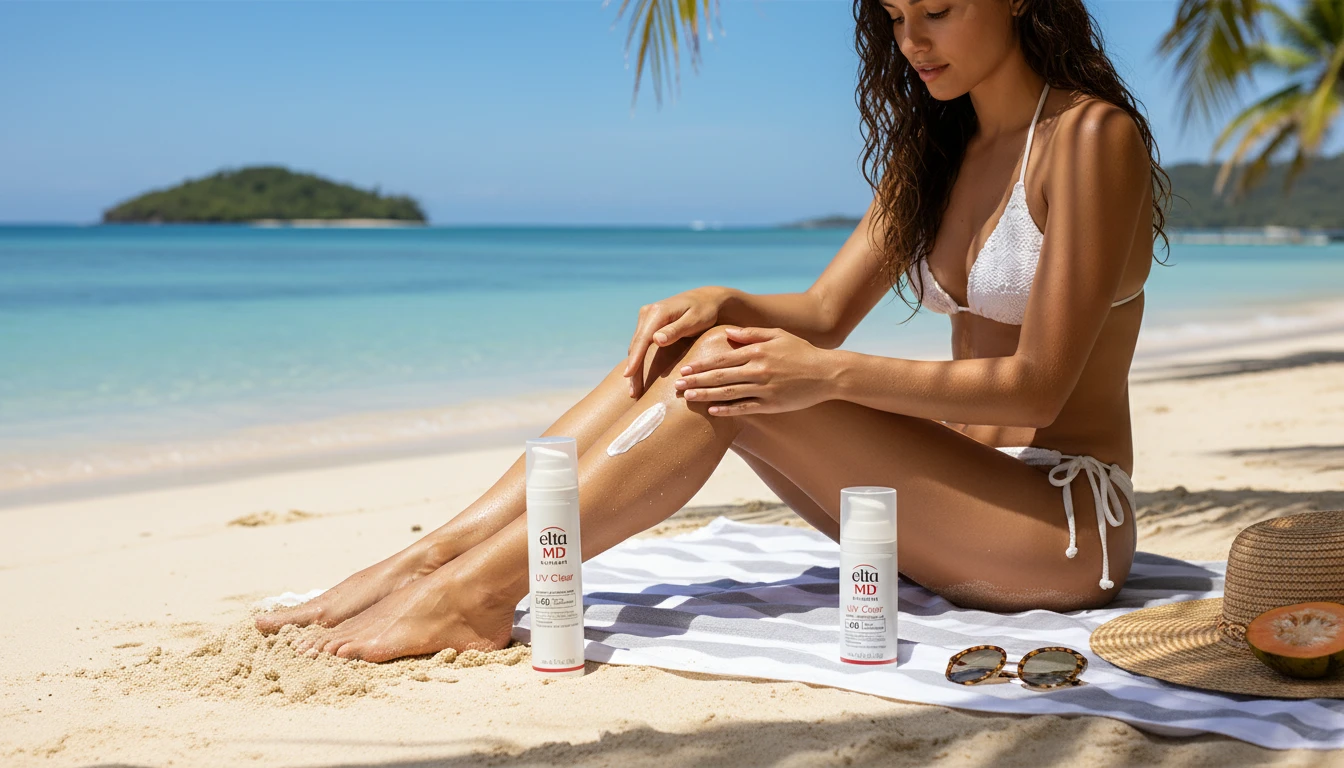
Sufficient sun protection not only implies the choice of the right product, but it also includes adequate and constant consumption. The use of sunscreens is a vital part of your laser hair removal after care sunscreen.
Pre-Treatment Protocol: Weeks Before Your Appointment: Begin applying sunscreen: Begin applying sunscreen a good many weeks before the laser procedure. The skin should not be tanned so that the laser may have an easy time working and to minimize burns.
Post-Treatment Care: Immediate and Ongoing Application: Immediately you complete your laser therapy and on a daily basis afterwards, place your sunscreen on all parts of you that may be under the sun, or which you have lashed. It is a persistent use that you have to continue with during your course of treatment with laser hair removal.
Daily Routine: Making Sunscreen a Habit: Did you add Sunscreen to your Skin Care? Use it as you do with the moisturizer after laser hair removal. Use it every day in the morning, not only on sunny days or at a time when you are expected to be indoors, but also close to the windows. The UV rays can pass through clouds and glass.
Reapplication: Maintaining Continuous Protection: Protection against sunscreens does not last long. Embark on it every two hours or more frequently whenever you are swimming, sweating, or towel drying. This also ensures that there is the extensional coverage by the sun after the process of removal of hair by laser.
Beyond Sunscreen For Laser Hair Removal: Holistic Protection and Expert Advice
Comprehensive Sun Protection Strategies
Sunscreen is a protective tool that, though considered to be a prime tool, it is advisable to use it together with other sun protection tools. The best protection to be adopted against sensitive skin is an integrated one.
Protective Clothing and Accessories: Wear long-sleeved and loosely fitting shirts and long pants of UV-protective fabric. Broad hats and sunglasses with UV resistance are also great for covering areas of the face.
Seeking Shade During Peak Hours: The sun rays are the most severe at 10 AM and 4 PM. Trying to get shade in these hours as much as is possible.
Avoiding Direct Sun Exposure: No tanning beds, no long-term scheduled sunbathing at all, during the entire period you do the full course on laser hair removal.
Common Mistakes to Avoid with Sunscreen for Laser Hair Removal
Being aware of pitfalls in your treatment is one of the methods to avoid them.
Underestimating the Importance of Consistent Application: It is best to apply sunscreen regularly without exception since even a short period of sun exposure can harm the laser-treated skin and cause pigmentation problems. Consistency is key.
Using Expired or Ineffective Sunscreen: The already expired sunscreen is ineffective. Ensure that you also possess a wide-spectrum product with an adequate SPF.
Relying Solely on Sunscreen Without Other Protective Measures: This is an ingredient that is obligatory, but not a silver bullet. Wear it with protective clothes and shade seeking to achieve maximum.
Consult Your Laser Technician or Dermatologist
Every individual has his/her skin, and professional advice is invaluable.
Tailored Advice for Your Skin Type and Treatment Plan: Your medical specialist will select the right sunscreen and after-care for your skin and the part that has been treated.
Addressing Specific Concerns or Reactions: In case anything strange occurs to your skin, call your practitioner.
Frequently Asked Questions (FAQs) About Sunscreen For Laser Hair Removal
Some of the commonly asked questions on sun protection and laser hair removal are as follows:
Q1: Can I use any sunscreen for laser hair removal?
A: No. I use a mineral, broad-spectrum sunscreen with no less than 30 SPF and with an SPF of 50, preferably. Avoid skin sensitivity of the skin by finding soft, fragrance-free, and hypoallergenic formulas.
Q2: How long do I need to apply sunscreen after laser hair removal?
A2: Schedule and take sunscreen on existing areas every day during the duration of treatment and continue taking them after treatment. It should be used every day for a minimum of 2-4 weeks after treatment.
Q3: What happens if I get sun exposure on laser-treated skin?
A3: Sun exposure can cause dark spots, light spots, burns, and skin damage after laser treatment. This may also postpone subsequent treatment sessions and negate your ultimate outcomes.
Conclusion: Prioritizing Skin Health for Optimal Laser Hair Removal Results
Laser hair removal gives smooth skin, but sunscreen for laser hair removal is needed to protect the results. After laser hair removal, a high-SPF mineral sunscreen helps protect the skin and keep good results. Mineral sunscreens, also called physical sunscreens, contain natural minerals like zinc oxide and titanium dioxide. Never use your laser without a dermatologist’s advice, which will always be individualized to your individual skin.


Lash Brow Tint: Benefits, Process & Safety Guide (2026)
7 Key Facts About Lash Lamination: Benefits & Safety
Makeup for Beginners – The Ultimate Step-by-Step for Absolute Beginners
5 Picks for the Best Face Wash for Rosacea: Soft, Simple Care
How to Fill In Eyebrows for Beginners (Step-by-Step Tutorial)
Purito Sunscreen: Top 10 Essential Facts to Know