

You’ve invested in laser hair removal for smooth, clear skin. But what happens if treated skin is exposed to the sun too soon?
Understanding and preventing sun damage after laser hair removal is crucial for your skin’s health and the success of your treatments.
This guide will help you identify, treat, and prevent potential skin issues.
The Science of Vulnerability: Why Laser Hair Removal Increases Sun Risk
Laser hair removal targets the pigment in the hair follicles to remove unwanted hair. This process makes your skin incredibly sensitive.
During this time, your skin needs special care and protection from UV rays. Even brief exposure can trigger sun damage after laser hair removal.
Understanding Post-Laser Photosensitivity and Heat Retention
After a laser session, your skin is more photosensitive. This means it reacts strongly to light, especially sunlight.
The laser energy also creates heat within the skin. This heat can linger, making your skin more susceptible to sun damage.
Exposure to sunlight quickly adds more heat and inflammation. This combination can lead to faster and more severe skin reactions — you must protect treated areas diligently.
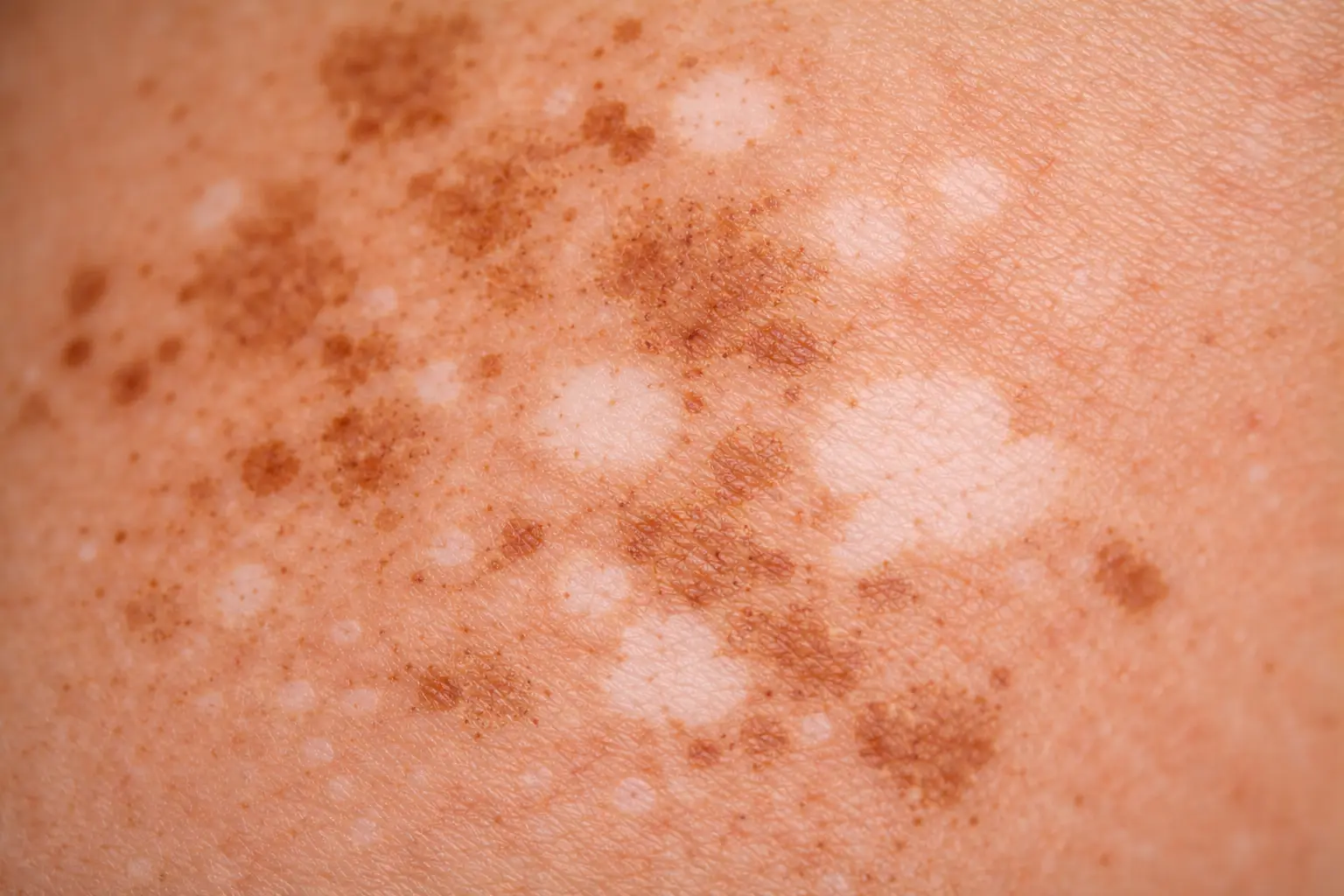
The Melanin Conflict: How UV Exposure Confuses Laser Technology
Applying a sufficient amount of sunscreen is critical. Sun exposure increases melanin in your skin, making it harder for the laser to distinguish between hair and skin pigment in future sessions.
It also puts you at higher risk for side effects like hyperpigmentation or burns. Sun damage after laser hair removal often begins with this exact melanin conflict.
UV radiation can also cause uneven melanin production, leading to patchy results or skin discoloration. Protecting your skin helps your treatment work better and safer.
Thermal Stacking: How Solar Radiation Accelerates Deep Tissue Damage
Your skin retains heat from the laser treatment. Subsequent sun exposure adds more thermal energy.
This “thermal stacking” can push your skin beyond its tolerance and increase the risk of deep tissue damage.
This process can result in more than just a sunburn — it can lead to deeper burns, blisters, or long-lasting sun damage after laser hair removal. Always prioritize cooling and sun avoidance after treatment.
Identifying the Damage: Sunspots, Burns, and Normal Reactions
It is important to know the difference between normal post-laser redness and actual sun damage. Misidentifying symptoms can delay proper treatment.
Pay close attention to how your skin looks and feels after any sun exposure.
Distinguishing Normal Redness (Erythema) from UV Damage
Normal redness, called erythema, is common after laser hair removal. It typically subsides within a few hours to a day.
The skin may feel warm and slightly tender — this is a typical inflammatory response.
UV damage, however, presents differently. It involves more intense redness, swelling, or blistering in areas directly exposed to the sun, going beyond the expected reaction from the laser.
Symptoms of Post-Inflammatory Hyperpigmentation (Dark Spots)
Post-inflammatory hyperpigmentation (PIH) appears as dark spots or patches ranging from light brown to black. They develop weeks or even months after sun exposure.
PIH occurs when the skin produces extra melanin in response to injury or inflammation. It is one of the most common forms of sun damage after laser hair removal.
Early intervention can help prevent these spots from becoming permanent.
Recognizing Hypopigmentation and Second-Degree Thermal Burns
Lighter skin patches are a result of hypopigmentation. This happens when melanin production is inhibited or destroyed — a serious side effect of combined laser and sun exposure.
Second-degree thermal burns are more severe and involve blistering, intense pain, and skin peeling.
These burns require immediate medical attention and can lead to scarring or permanent skin changes.
The Timeline of Damage: Immediate vs. Delayed Sun Reactions
Some sun reactions are immediate — intense redness, swelling, or sunburn appearing within hours. Other forms of sun damage after laser hair removal are delayed.
Pigment changes, such as hyperpigmentation, might not show up for days or even weeks.
Always monitor your skin carefully after any sun exposure during your laser treatment journey.
The Emergency Protocol: Immediate Steps for Accidental Sun Exposure
Accidental sun exposure after a laser session requires quick action. Taking immediate steps can minimize damage and improve your recovery outlook significantly.
Do not delay if you suspect sun damage after laser hair removal has occurred.
The 48-Hour Cooling Phase and Heat Extraction Techniques
Immediately after sun exposure, focus on cooling the skin. Apply cool compresses for 10–15 minutes at a time, several times a day.
You can also apply aloe vera gel to soothe the skin. Avoid hot showers or baths for at least 48 hours to reduce residual heat and inflammation.
Clinical Barrier Repair: Sealing the Compromised Epidermis
Sun-damaged skin often has a weakened skin barrier, making it vulnerable to infection and moisture loss.
Apply a thick, occlusive moisturizer to the affected areas. Look for ingredients like ceramides or hyaluronic acid, which help repair and protect your skin’s outer layer.
Stopping the Pigment Cascade with Topical Anti-Inflammatories
To prevent hyperpigmentation from sun damage after laser hair removal, use gentle topical anti-inflammatory products.
Hydrocortisone cream (1%) can reduce redness and swelling — apply it sparingly for a few days.
You might also consider using products with niacinamide, which helps calm the skin and reduce pigment formation.
Skincare Red Flags: Ingredients to Pause Immediately (Retinoids and Acids)
Certain skincare ingredients can worsen post-laser sun damage. Stop using retinoids, AHAs (alpha hydroxy acids), and BHAs (beta hydroxy acids) immediately.
These ingredients increase skin sensitivity and can further irritate damaged skin.
Only reintroduce them once your skin has fully healed from any sun damage after laser hair removal.
Long-Term Repair: Fading Pigmentation and Restoring Skin Health
Addressing long-term damage like persistent hyperpigmentation requires patience. A consistent skincare routine and professional treatments can help.
Your goal is to restore your skin’s natural tone and health.
Targeted Brighteners: Tyrosinase Inhibitors and Niacinamide
For dark spots, use products containing tyrosinase inhibitors. Ingredients like kojic acid, arbutin, or licorice root extract help reduce melanin production.
Niacinamide is another excellent choice — it calms inflammation and improves skin barrier function.
Use these products consistently for several months to effectively address sun damage after laser hair removal.
The Role of Professional Chemical Peels in Surface Correction
Professional chemical peels can effectively treat surface pigmentation. Mild peels, such as lactic or glycolic acid, help exfoliate damaged skin cells and reveal brighter, more even-toned skin.
Always consult a dermatologist before undergoing any peel.
Ensure the healing from the initial damage before proceeding.
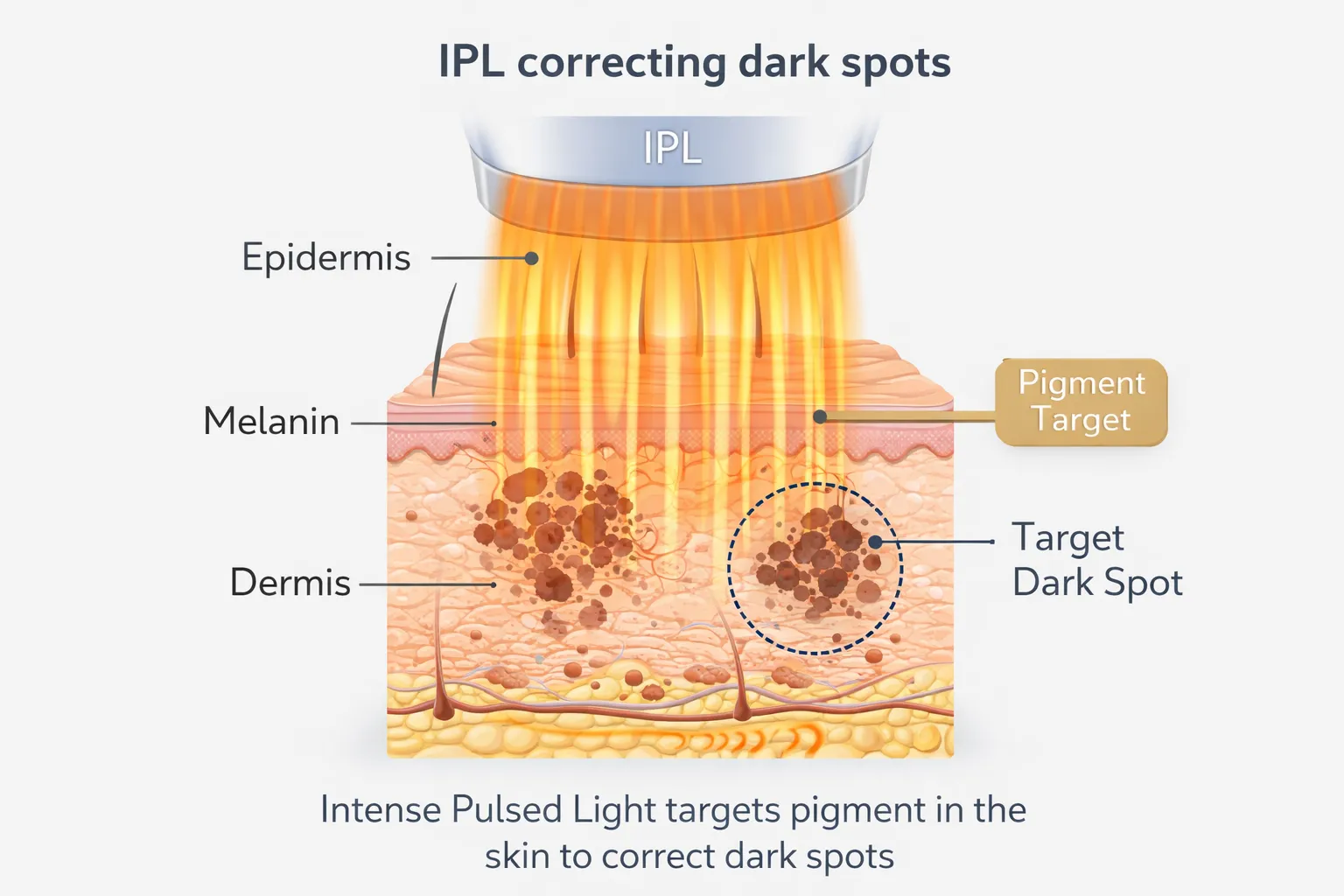
Advanced Clinical Solutions: Using IPL to Correct Laser Damage
Ironically, Intense Pulsed Light (IPL) can sometimes correct certain types of laser damage. IPL targets pigment, much like laser hair removal, and can help break down excess melanin from hyperpigmentation.
This treatment must be performed by an experienced professional who can assess your skin carefully.
The Regeneration Cycle: Managing Expectations for Recovery Timelines
Skin regeneration takes time. Fading pigmentation can take weeks to months, and severe damage like scarring may be permanent.
Be patient and consistent with your treatments. Consult a dermatologist for realistic expectations and a personalized plan — full recovery from sun damage after laser hair removal is a gradual process.
For more sunscreen options, see Best Sunscreen for Laser Hair Removal 2026 (Dermatologist Picks)
Fail-Safe Prevention: The Gold Standard for Post-Laser Sun Safety
Prevention is always better than treatment. Following strict sun safety guidelines is vital to protect your skin and optimize your laser hair removal results.
The 14-Day “Safety Window” for Pre- and Post-Treatment Care
Avoid direct sun exposure for at least two weeks before and after your laser session. This “safety window” is critical.
It ensures your skin is not tanned before treatment and allows your skin to heal post-treatment.
This significantly reduces the risk of sun damage after laser hair removal, including burns and hyperpigmentation.
Physical vs. Chemical Sunscreens: Why Zinc Oxide is Mandatory
Always use a broad-spectrum sunscreen with an SPF of 30 or higher. Post-laser skin prefers physical sunscreens.
Look for formulas containing zinc oxide or titanium dioxide — these create a physical barrier on your skin and reflect UV rays instead of absorbing them.
This makes them the least irritating and most effective option for preventing sun damage after laser hair removal.
Layering Protection: The Role of UPF Clothing and Physical Shade
Sunscreen alone may not be enough. Layer your protection for maximum safety.
Wear UPF (Ultraviolet Protection Factor) clothing over treated areas and seek physical shade whenever outdoors.
A wide-brimmed hat and sunglasses also offer additional protection for your face and neck.
The Cloudy Day Myth: Protecting Treated Skin in All Weather Conditions
Do not be fooled by cloudy weather. Up to 80% of UV rays can penetrate clouds, and your treated skin is still vulnerable on overcast days.
Always apply sunscreen and take protective measures regardless of the weather.
Consistency is key to preventing sun damage after laser hair removal year-round.
Expert FAQs and Assessing Long-Term Risks
Understanding common questions can help you manage your skin health. Here are some expert answers regarding sun damage after laser hair removal.
Is post-laser sun damage always permanent?
No, not always. Many cases of hyperpigmentation can be significantly faded or even reversed with proper treatment.
However, severe burns or scarring might lead to permanent changes.
Early intervention is crucial for better outcomes — the sooner you address sun damage after laser hair removal, the better your chances of full recovery.
How does a laser-enhanced burn compare to a standard sunburn?
A laser-enhanced burn is often more severe than a standard sunburn. The skin is already heated and sensitized by the laser.
Subsequent sun exposure can lead to deeper tissue damage and a higher risk of blistering, infection, or scarring.
The combined injury is significantly more intense than either alone.
When to Seek Medical Intervention: Warning Signs of Infection or Tissue Necrosis
Seek medical attention immediately if you notice signs of infection — pus, increasing pain, fever, or red streaks.
Also watch for signs of tissue necrosis, like blackened skin or deep, non-healing wounds. These require urgent professional care.
Your skin’s health after laser hair removal depends heavily on diligent sun protection. Understanding the risks and taking proactive steps helps you enjoy lasting, beautiful results without the burden of sun damage after laser hair removal.
Always prioritize protecting your treated skin from the sun’s powerful rays.


Safe Suntan Lotion Pregnancy: Top Picks Recommended by Doctors
Face Wax Strips: 10 Key Facts for Smooth, Lasting Results
Eyeliner Tips: 7 Pro Secrets for a Flawless, Smudge-Proof Look
What Is a Skin Tonic Toner? How to Use It Effectively?
Best Sunscreen for Laser Hair Removal 2026 (Dermatologist Picks)
How to Clean Makeup Brushes: A Professional Guide to Better Skin and Tool Longevity