
Founding a new business is stressful. People dream of entering the world of beauty. Nevertheless, their main question is always how to start a cosmetic business without knowing the industry. The cosmetic sector is on a roll. It has some thrilling prospects for new entrants.
This is a step-by-step guide to all the essential steps. You can establish your winning cosmetic brand in 2026. You do not have to experience much when you are passionate about your enterprise; you can make it a success.
Validate Your Niche and Build a Financial Plan
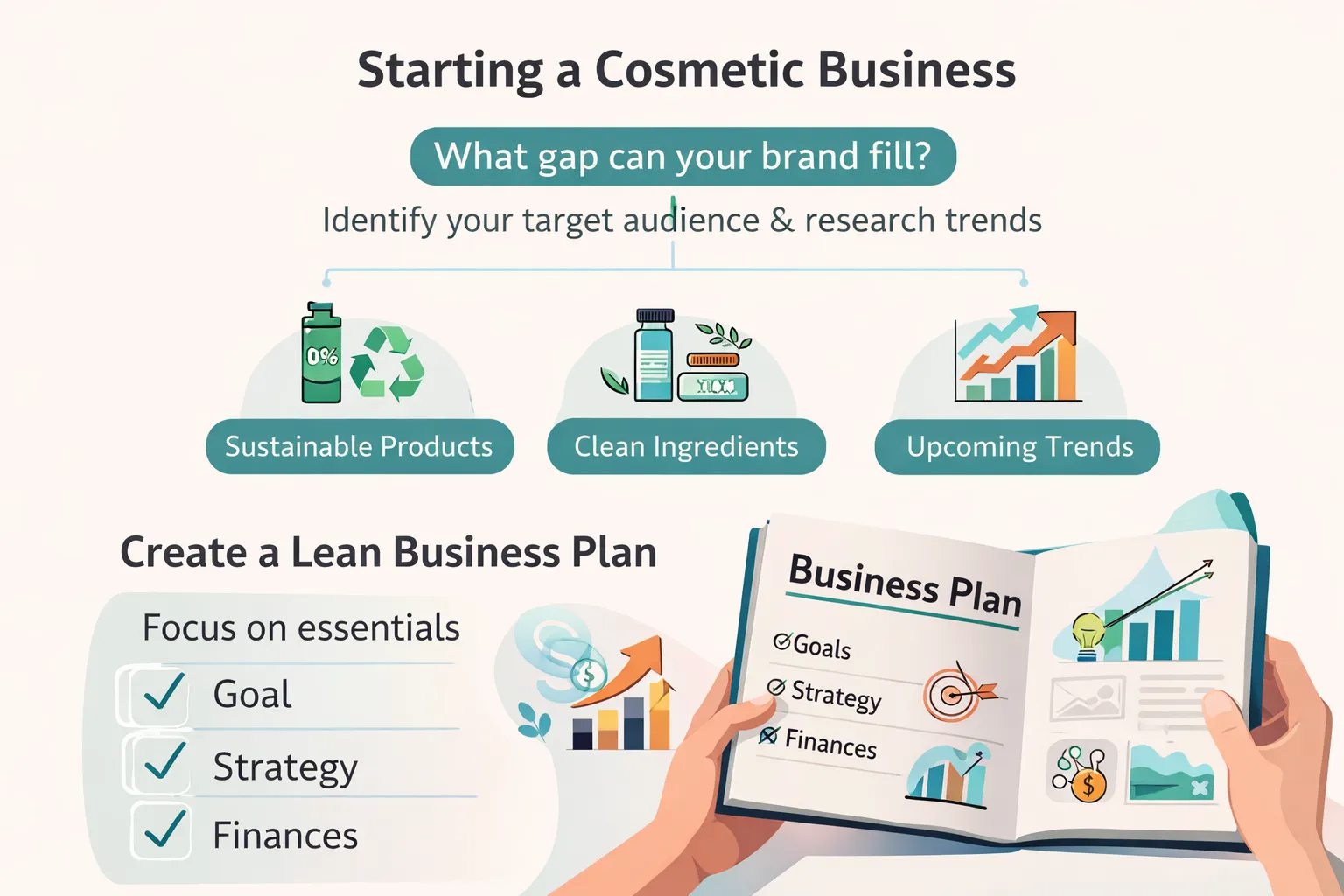
Knowing how to start a cosmetic business begins with identifying your target audience. What gap can your brand fill? Research current trends.
Look at what consumers want in 2026. Are they seeking sustainable products? Do they value specific ingredients? Understanding market needs is crucial.
Create a lean business plan next. This document guides your decisions. It outlines your goals, strategies, and finances.
A simple plan is often best for new entrepreneurs. Focus on essential elements first.
Research 2026 Trends
Explore platforms like TikTok and Instagram. See what beauty influencers are promoting. Read industry reports. Look for shifts in consumer preferences.
Pay attention to ethical sourcing and ingredient transparency. These are major drivers today. Your brand can stand out by aligning with these values.
Create a Lean Business Plan
Your business plan does not need to be long. Start with an executive summary. Describe your company and its mission. Define your target market clearly.
Outline your product offerings. Detail your marketing and sales strategies. Include financial projections. This creates a roadmap for your business.
Startup Costs Table
Understanding your initial expenses is critical when figuring out how to start a cosmetic business on a budget. Here is a simple breakdown of potential startup costs. These figures are estimates. Your actual costs may vary greatly.
| Category | Estimated Cost (USD) | Notes |
| Business Registration & Licenses | $50 – $500 | Varies by state and business structure. |
| Product Formulation/Sourcing | $500 – $5,000+ | Depends on private label vs. custom, MOQ. |
| Packaging & Design | $300 – $2,000+ | Includes branding, label design. |
| Website Development (E-commerce) | $100 – $1,500+ | Monthly subscription for platforms like Shopify. |
| Initial Inventory | $1,000 – $10,000+ | Based on product type and order size. |
| Marketing & Advertising | $200 – $1,000+ | Social media ads, influencer outreach. |
| Insurance | $500 – $2,000/year | Product liability insurance is crucial. |
| Miscellaneous (Samples, Tools) | $100 – $500 | Testing, small equipment. |
| Total Estimated Initial Investment | $2,850 – $22,500+ | This is a broad range. |
Legal Setup and Compliance Essentials
One critical aspect of how to start a cosmetic business the right way is ensuring full legal compliance from day one. Operating legally protects your business.
It also builds trust with customers. This involves registering your business. You must also understand cosmetic regulations. Compliance is not optional in the cosmetic industry.
US Regulatory Compliance (FDA Labeling)
The U.S. Food and Drug Administration (FDA) regulates cosmetics. They oversee product labeling and safety. You must ensure your products are safe.
Labels need accurate ingredient lists. They must also include warnings if necessary. Learn FDA guidelines for cosmetic products. This prevents serious legal issues.
Trademark and Insurance Steps
Protect your brand name. Register a trademark for your brand. This stops others from using your unique identity. Also, obtain product liability insurance.
This insurance covers claims arising from a product harming a customer. It is a critical safeguard for any beauty product development business.
Product Development and Branding
Your products are the heart of your business. For anyone learning how to start a cosmetic business with no prior experience, product development can feel overwhelming — but it does not have to be.
Your brand identity makes your products memorable. Focus on quality and a distinct brand message. This helps you stand out in a crowded market.
Source Hero Products (Private Label)
Consider private labeling to start. This means buying ready-made products from a manufacturer. You then brand them as your own.
This approach saves time and money on product formulation. It allows you to enter the market quickly. Look for suppliers offering low minimum order quantities (MOQs). This reduces your initial investment.
Design Your Unique Brand Identity
Your brand identity includes your logo, colors, and messaging. It should resonate with your target audience. Use tools like Canva for design.
Create a cohesive look for your packaging design. A strong brand identity creates recognition. It also fosters customer loyalty.
Operations and Sales Channels
Understanding your sales and operations setup is another essential piece of how to start a cosmetic business and scale it efficiently. Once products are ready, you need to sell them.
This involves finding manufacturing partners. You also need to set up sales platforms. Think about how your products will reach customers efficiently. A smooth operation is key to customer satisfaction.
Manufacturing Partners
If not private labeling, you will need a manufacturer. Research reputable cosmetic manufacturers. Look for those with good quality control.
They should also meet safety standards. Clearly communicate your product specifications. Develop a strong relationship with your chosen partner.
For more tips on business development, see How to Build a Cosmetic Brand With a Low Budget
E-commerce Platform Setup
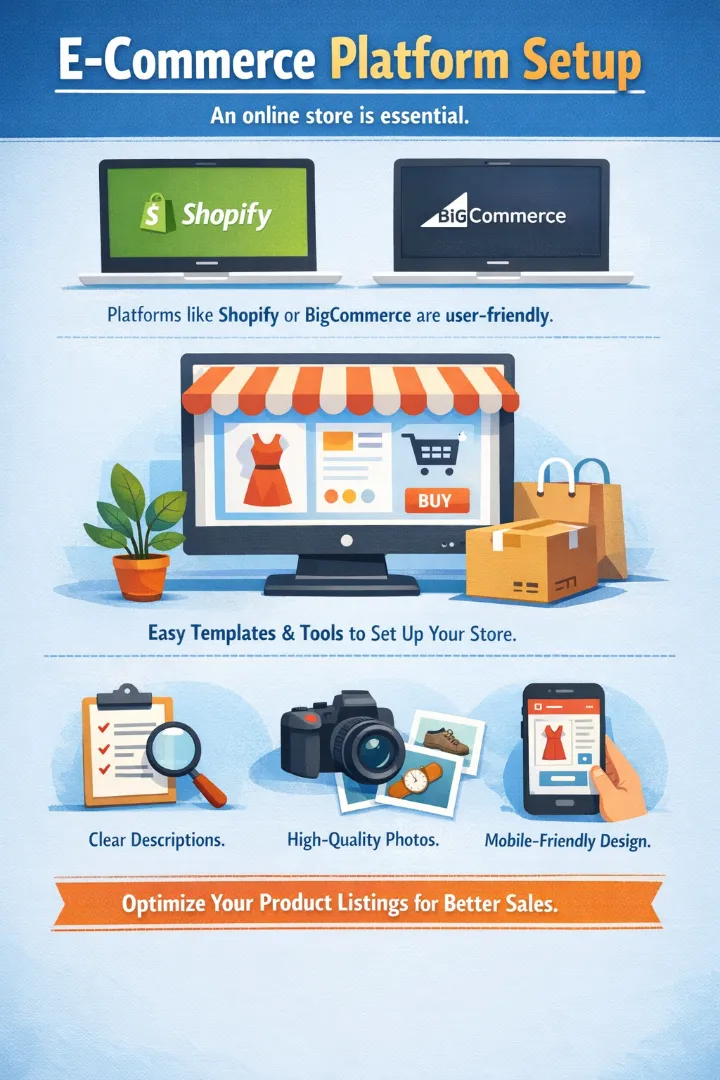
An online store is essential. Platforms like Shopify or BigCommerce are user-friendly. They offer templates and tools. You can easily set up your store.
Optimize your product listings with clear descriptions. Use high-quality photos. Ensure your site is mobile-friendly. An intuitive online presence boosts sales.
Marketing Launch and Growth Tracking
Your products are ready. Your store is live. The marketing phase is where many entrepreneurs who researched how to start a cosmetic business either thrive or struggle. Effective marketing is vital for sales. You also need to track your efforts. This helps you understand what works best.
Social Media Marketing Strategy
Social media is powerful for cosmetics. TikTok and Instagram are especially effective. Create engaging content. Show your products in action.
Share behind-the-scenes glimpses. Collaborate with micro-influencers. Use relevant hashtags. This expands your reach. It connects you with potential customers.
Key Performance Indicators and Iteration
Track key performance indicators (KPIs). These include website traffic and conversion rates. Monitor customer acquisition costs. Watch your social media engagement. Analyze sales data regularly. Use this data to refine your marketing strategy. Be ready to pivot if something is not working. Continuous improvement drives growth.
Supplemental FAQs
Can I start a cosmetic business from home?
Yes, many successful cosmetic businesses begin at home. This is actually one of the most common ways people discover how to start a cosmetic business with minimal upfront costs. You can formulate small batches, especially for skincare.
Private labeling also works well from home. Ensure your workspace is clean. Follow all local health and safety regulations. You must also comply with FDA guidelines, especially for labeling. Check zoning laws in your area.
What is private labeling in cosmetics?
Private labeling means you purchase pre-formulated products from a manufacturer. These products are then packaged and sold under your brand name.
It is a popular way to enter the cosmetic industry. It significantly reduces product development time and costs. This allows you to focus on branding and marketing.
What are the best beginner tools for a cosmetic business?
For beginners, essential tools include an e-commerce platform (like Shopify). Use graphic design software (Canva) for branding. A good camera (even a smartphone) is crucial for product photos. Social media scheduling tools can help. Spreadsheet software tracks finances. Basic packaging supplies are also necessary.
Private label vs. custom formulation: What’s the difference?
Private label uses existing product formulas from a manufacturer. You brand them as your own. It is quicker and more cost-effective. Custom formulation means you create a unique product formula from scratch.
This requires more time, research, and investment. It also offers complete control over ingredients and results. Many beginners start with a private label. They move to custom formulation as their business grows.
Your Path to Cosmetic Success
Starting a cosmetic business without experience is absolutely achievable. Now that you understand how to start a cosmetic business step by step, focus on executing each phase consistently and carefully. Ensure you meet all legal requirements. Develop strong branding.
Choose effective sales and marketing channels. Track your progress carefully. The beauty industry welcomes innovation and passion. With dedication and the right strategy, you can successfully launch your brand. This guide provides a clear roadmap on how to start a cosmetic business. Your entrepreneurial journey in beauty begins now.


How to Grow a Beauty Salon: 7 Powerful Ways to Scale Smart
Top Custom Cosmetic Manufacturers in Vietnam (2026 Guide)
How to Name a Cosmetic Brand That Stands Out in 2026
Top Clean Beauty Product Development Companies in the US (2026 Guide)
The Ultimate Guide to Cosmetic Formulation for Beginners
What Is Cosmetic Product Development and Why Do Most New Products Fail?