

Embarking on a laser hair removal journey is exciting. You are on your way to smoother, hair-free skin.
However, the success of your treatment heavily relies on proper skin care after laser hair removal. Neglecting post-treatment care can lead to irritation or slow healing.
This comprehensive guide provides everything you need to know to achieve the best possible recovery and lasting results.
1. Immediate Care: The First 48 Hours
The first two days after your laser session are crucial. Your skin will be sensitive.
Following these steps helps reduce discomfort and promotes quick healing. Think of it as a calm period for your skin.
1.1 Cooling the Treated Area
You might feel some warmth or a sunburn-like sensation — this is normal. Managing this immediate heat is a key part of skin care after laser hair removal.
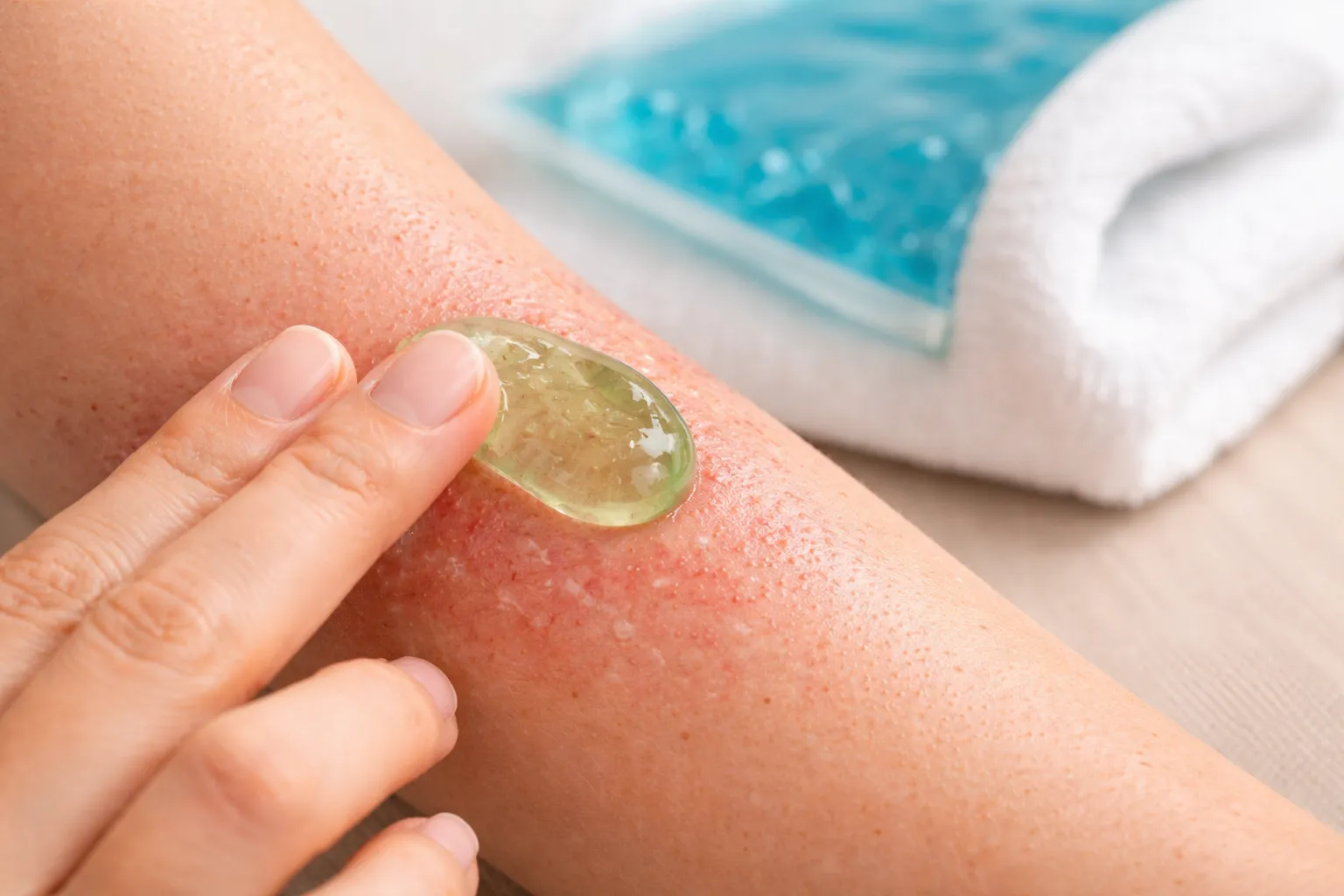
Apply cold compresses to the treated areas. A clean cloth dampened with cold water works well.
You can also use a cool pack wrapped in a soft towel for 10–15 minutes at a time. Pure aloe vera gel (100% natural, without additives) is another excellent choice — it soothes and hydrates your skin effectively.
1.2 Critical Hygiene and Lifestyle Restrictions
Certain activities can irritate your delicate skin. Avoid hot showers, saunas, and steam rooms — these can increase skin sensitivity and swelling.
Opt for lukewarm showers instead. Limit strenuous physical activity and heavy sweating, as sweat can clog pores and cause irritation.
Choose loose, breathable cotton clothing. This prevents friction and allows your skin to breathe freely — tight clothing can rub against sensitive areas and cause discomfort.
2. Recovery Roadmap: Days 3 to 14
As the immediate sensitivity fades, your skin enters a new phase. This period focuses on managing hair shedding and gentle support.
Consistency in your skin care after laser hair removal routine is vital during these two weeks.
2.1 Managing the Hair Shedding Phase
Around 5–21 days post-treatment, you will notice hair shedding. This is a positive sign — it indicates the laser successfully targeted the hair follicles.
These hairs will look like small black dots pushing out of your skin. Do not mistake them for new growth.
You can gently assist the shedding process by lightly rubbing the treated area with a soft washcloth. Be very gentle to avoid irritating your skin.
2.2 Safe Exfoliation and Hydration
Once shedding begins, you can introduce gentle exfoliation. Use a soft physical exfoliator designed for sensitive skin — this helps remove trapped hairs and promotes a smoother texture.
Continue to hydrate your skin generously. Apply fragrance-free, non-comedogenic moisturizers twice daily.
These products won’t clog your pores and help your skin remain supple. They are an essential part of skin care after laser hair removal during this phase.
3. Ingredient Guide: What to Use and What to Avoid
Choosing the right products is crucial for successful skin healing. Some ingredients support recovery — others can hinder it or cause irritation.
Pay close attention to product labels throughout your skin care after laser hair removal.
3.1 Recommended Ingredients for Healing
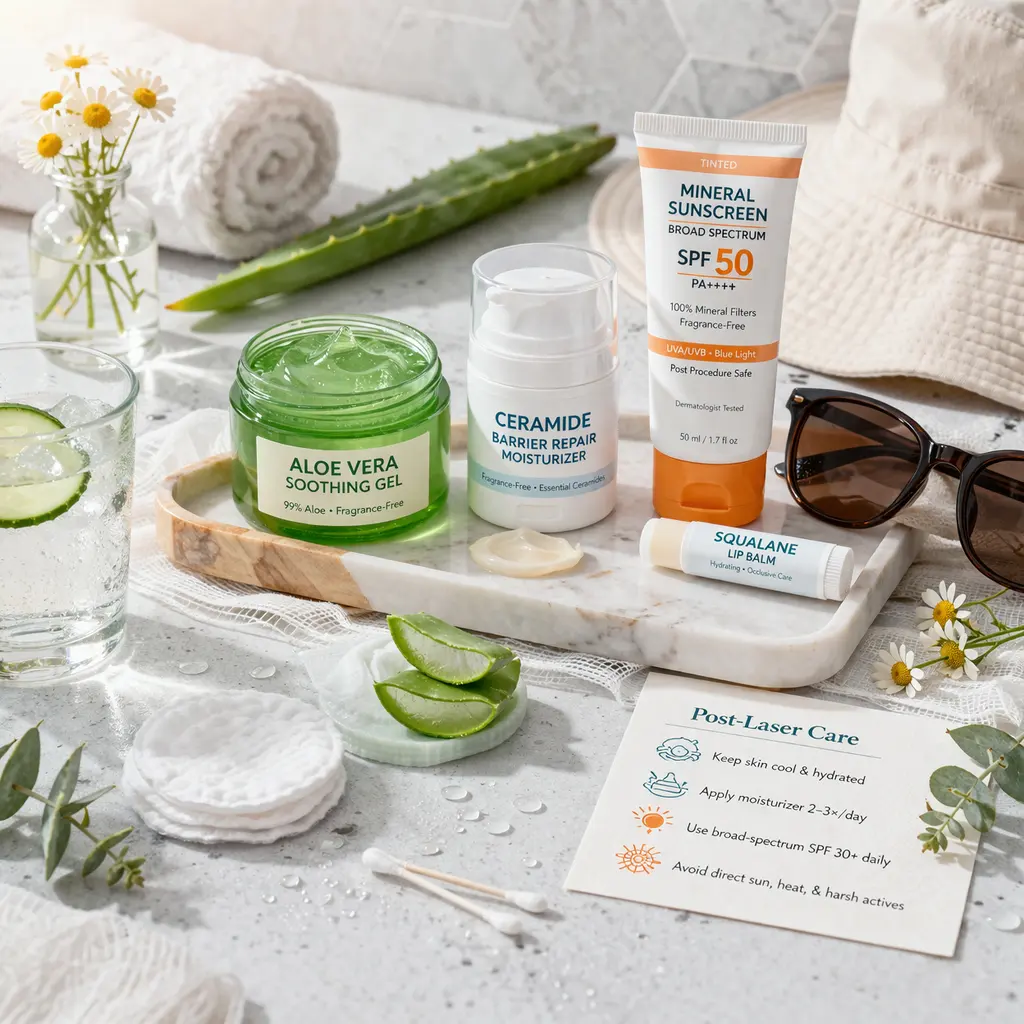
Focus on ingredients known for their calming and hydrating properties. Ceramides replenish the skin’s natural barrier, while hyaluronic acid draws moisture into the skin for deep hydration.
Vitamin E is an antioxidant that helps protect and soothe your skin. Products containing these ingredients can accelerate healing and reduce dryness.
They are foundational for healthy skin care after laser hair removal.
3.2 Active Ingredients to Pause (The “Five-Day Rule”)
It is important to avoid certain active ingredients — they can be too harsh for sensitive, treated skin. Always follow the “five-day rule” as a minimum.
This means pausing these ingredients for at least five days after treatment. Some clinics might recommend longer.
Avoid retinoids, Vitamin C serums, AHAs (like glycolic acid), and BHAs (like salicylic acid). These can cause redness, irritation, or even burns — your skin needs time to heal without harsh chemicals.
For more sunscreen options, see Best Sunscreen for Laser Hair Removal 2026 (Dermatologist Picks)
4. Sun Safety and Grooming Between Sessions
Sun protection and proper grooming are not just recommendations — they are mandatory. These steps prevent complications and ensure the effectiveness of future treatments.
They are also a non-negotiable part of skin care after laser hair removal.
4.1 Mandatory UV Protection Standards
Sun exposure is your skin’s worst enemy after laser hair removal. Apply a broad-spectrum sunscreen with SPF 30+ daily — even on cloudy days.
Reapply every two hours if you are outdoors. Wear protective clothing like wide-brimmed hats and long sleeves.
Avoid direct sun exposure on treated areas, including tanning beds. Sun exposure can lead to hyperpigmentation or burns.
4.2 Strict Shaving and Hair Removal Rules
Between laser sessions, shaving is the only permitted method of hair removal. It is gentle on the skin and does not interfere with the hair follicle’s structure.
Absolutely prohibit waxing, plucking, and epilating. These methods pull hair from the follicle, disrupting the hair growth cycle and making the laser less effective.
Sticking to shaving is a critical rule in skin care after laser hair removal.
5. Safety Monitoring: Normal vs. Abnormal Reactions
Understanding what reactions are normal and what are not is key. Most side effects are temporary and mild.
However, knowing the red flags helps you seek professional advice if needed.
5.1 Distinguishing Standard Side Effects
It’s normal to experience some redness and swelling immediately after treatment. This usually subsides within a few hours to a couple of days.
You might also notice perifollicular edema — small, hive-like bumps around the treated follicles. This is actually a positive sign that confirms the treatment is working.
Temporary itching is also common. Manage it with cool compresses or aloe vera, and always pat — never rub — your skin.
5.2 Identifying Medical Red Flags
While most reactions are mild, some warrant immediate medical attention. Burns or blisters are not normal and indicate a potential issue with the treatment settings or your skin’s reaction.
Also monitor for pigment changes — hypopigmentation (lightening) or hyperpigmentation (darkening), both need a professional assessment.
Contact your clinic or a dermatologist right away if you notice any severe or persistent reactions during your skin care after laser hair removal.
6. Common Questions and Supplemental Care
Many common questions arise during the laser hair removal process. Understanding these can help you feel more confident and ensure you are practising the best skin care after laser hair removal.
6.1 Can I wear deodorant after underarm laser?
It is generally best to avoid deodorant for at least 24 hours after underarm laser treatment. Deodorants can contain irritating ingredients that cause stinging or further irritation to sensitive skin.
Opt for a gentle, unscented antiperspirant or simply keep the area clean with mild soap and water for the first day.
6.2 What is “Perifollicular Edema” and why is it positive?
Perifollicular edema refers to the small, red, swollen bumps that appear around hair follicles after laser treatment. This is a common and positive reaction.
It indicates that the laser energy has successfully heated and damaged the hair follicles. The swelling confirms the treatment is working effectively to reduce hair growth.
6.3 Which body areas require the most specialized care?
Some body areas are naturally more sensitive and require extra attention as part of your skin care after laser hair removal. The face, bikini area, and underarms often fall into this category.
These areas have thinner skin and more sweat glands. Always follow specific post-care instructions for these delicate zones and be extra diligent with cooling and gentle products.
6.4 Ice packs vs. Aloe Vera: Which is better?
Both ice packs and pure aloe vera are excellent tools in skin care after laser hair removal. They serve slightly different but complementary purposes.
Ice packs provide immediate cooling and help reduce redness and swelling. Aloe vera offers soothing, hydrating, and anti-inflammatory benefits.
Use them together — start with an ice pack for immediate relief, then follow with aloe vera gel for continued comfort and healing.
Conclusion
Mastering skin care after laser hair removal is vital. It ensures your safety, comfort, and the best possible results.
By following this ultimate guide, you support your skin’s healing journey. Remember to cool your skin immediately, stay hydrated, protect yourself from the sun, and avoid harsh products.
With proper skin care after laser hair removal, you will enjoy smoother, beautiful skin — and your laser hair removal investment will truly pay off.


Sun Exposure After Laser Hair Removal: Safety Guide & Recovery Timeline
Eyeliner Tips: 7 Pro Secrets for a Flawless, Smudge-Proof Look
The Ultimate Dermatologist-Led Guide to Sunscreen for Melasma: Why SPF 50 is Only Half the Battle
7 Key Facts About Lash Lamination: Benefits & Safety
Pregnancy Safe Makeup: A Comprehensive Guide to Non-Toxic Beauty
How to Fill In Eyebrows for Beginners (Step-by-Step Tutorial)