

Understanding bronzer vs contour teaches you about warmth, definition, and depth. These are the foundations of complexion makeup.
Knowing the distinction between bronzer vs contour is a big move in any makeup routine. Many people think these cosmetic products can be substituted. They might seem the same, but they do not serve a common purpose in face makeup technique makeup technique choices when working with bronzer vs contour.
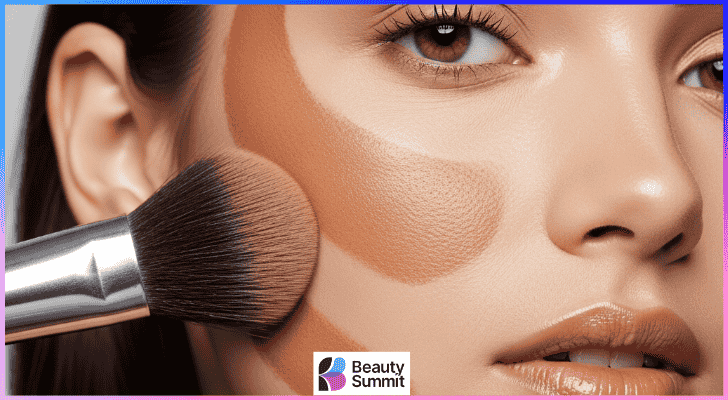
Defining Bronzer: The Sun-Kissed Glow
Bronzer imitates the impact of the sun on your skin. Its main objective is to bring warmth.
It makes the complexion appear healthy, bright, and vivid. Bronzer is an essential product.
It puts life back into your face after you apply foundation. Think of it as creating a natural glow effect.
Bronzers are usually based on warm colors. These are red, gold or orange. They are ideal for getting a suntanned appearance.
You can read about sun tanning and skin health to find out more. This helps you receive a natural tan look safely.
Defining Contour: The Art of Illusion
Contour is a technique that creates shadows. It makes areas recede and highlights others.
Contour mimics the anatomy of the bones. It gives you an opportunity to carve out looks.
You can define cheekbones, jaw, and nose. The method is based on light vs shadow principles.
Contouring provides defined features. It gives the face reality. It helps with face shaping.
This results in a chiseled appearance. You achieve efficient results through correct placement.
The Critical Role of Undertones in Bronzer vs Contour: Warm vs. Cool
The biggest difference is the undertone when comparing bronzer vs contour. Bronzers have cozy undertones. These mimic a tan.
Contours have either cool or neutral tones. These can be grey, ash, or taupe.
The natural shadows on your face are never warm. They are always cool-toned.
You use the right undertone to avoid a muddy appearance. It guarantees a natural touch across all skin tones.
2. Mastering Placement: Where Each Product Belongs
You need to place products properly so your face appears lifted and shaped. This eliminates a muddy or cloggy look.
Every product has its application areas. These areas are vital in knowing how to succeed when you work with bronzer vs contour.
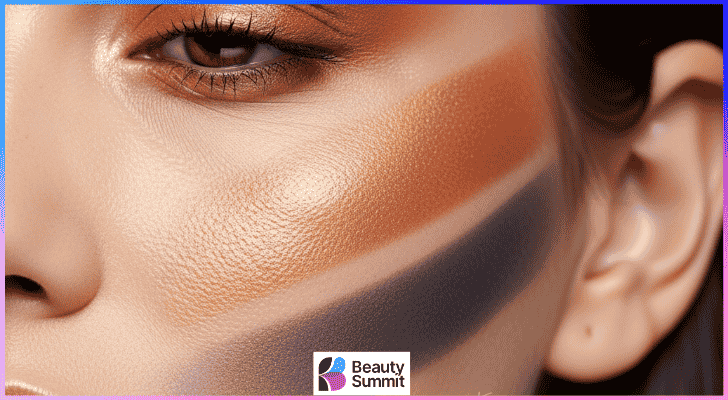
Bronzing Locations: The “3” and “E” Method
You apply bronzer on the high points of your face. This is where the sun would strike naturally.
Think about writing a number 3 on one side of your face. Or write an E on the other side. This includes the key application areas.
It creates a natural glow.
Start at the temples or the forehead top. Move down to the apples of the cheeks.
Finish by dusting the jawline.
This ensures even distribution. It gives an illusion of sun-kissed skin. It looks friendly and not artificial.
Identifying Your Natural Hollows for Contour
You incorporate contour into the hollows of your face. This brings about definition and richness.
It focuses on your bone structure. Find the natural shadows on your face. This drives your application.
Apply in the hollows right below the cheekbones. Use it on the sides of the nose to make it slimmer.
Apply below the jawline to make the chin straighter.
These application areas help the areas recede. They bring out specific characteristics. This improves your natural bone structure.
Face shaping requires proper placement.
The Golden Rule of Blending: Motion and Direction
You need to blend to achieve a smooth finish. Always apply bronzer in big circular strokes.
This creates a diffused glow. It avoids harsh lines. It makes the warmth look natural.
Contour has to be blended upwards and inwards. This maintains the lift of your face.
Blending contour downwards will create a sagging or fatigued appearance. This is an essential phase in good makeup techniques.
3. Texture and Tools: Choosing the Right Medium for Bronzer vs Contour
Your effect will look realistic based on your product finish. This is especially true under different lighting.
This depends on the type of applicator types and textures you choose when applying bronzer vs contour.
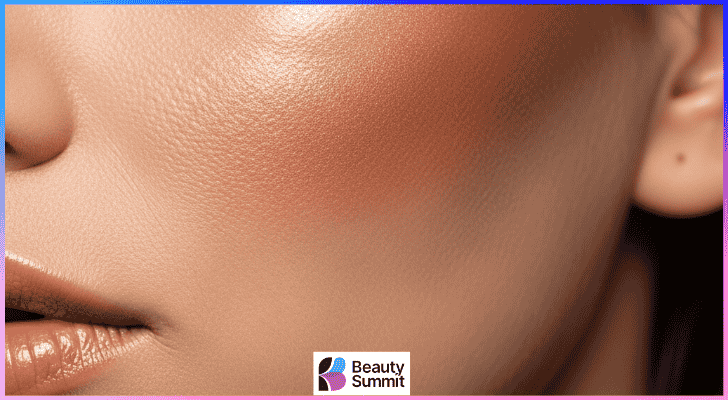
Powder vs. Cream: Which Finish Should You Choose?
You select the appropriate texture based on your skin type. You also consider the appearance you want. Cream cosmetic products and powder products both work well.
Powders: They are ideal for oily skin types. They also favor beginners.
Powders create a diffused and airbrushed effect. They are normally less complicated to apply.
Creams: These suit dry or mature skin. They blend into the skin for a second-skin finish.
You get more precise sculpting using cream formulas. They offer a better natural glow to drier skin tones.
Essential Brushes for Precision and Diffusion
The applicator types you employ matter as much as the pigment itself. You use the right applicator types to make a smooth application.
You apply bronzer using a big, loose, fluffy brush. It deposits color without hard edges. This brings about natural warmth.
You need an angled and dense brush for contour. It places pigment where the shadow should be.
This provides accurate highlighting and modeling. You make your makeup techniques more effective when you select the appropriate brush.
You may see more on how to choose makeup brushes by watching detailed guides.
Why Shimmer is for Bronzer, Not Contour
Shadows absorb light, so contour products should not be shiny at all. This helps them stay invisible and creates realistic depth.
Shimmer in contour would reflect light. This is a key principle when you learn bronzer vs contour differences.
Bronzers can range from totally matte to extremely shimmery. Light reflecting particles create a glowing effect.
This mimics sun-kissed skin. This difference matters in achieving accurate natural glow and defined features.
4. Professional Application Sequence: How to Layer for Perfection
You need to be familiar with the sequence of operations. This makes your makeup look professional.
It ensures every product fulfills its duties. The layer order is one of the basic components of makeup techniques when working with bronzer vs contour.
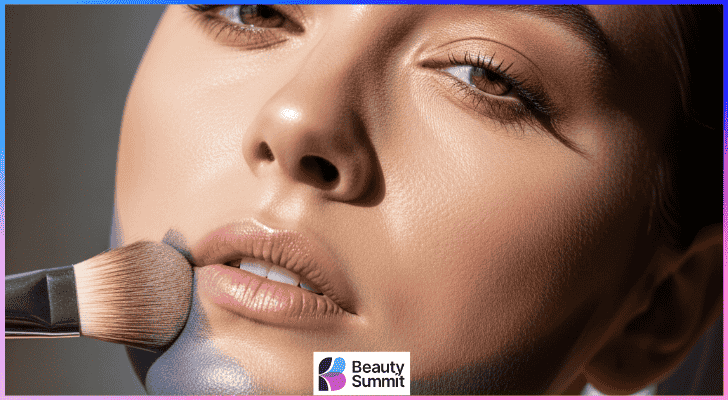
The Standard Layering Order
This is the sequence for completing a professional finish. This normal sequence makes every product improve upon the preceding one.
It provides a cohesive look.
Foundation and Concealer: You first create an even canvas. This smooths your skin tone.
Contour: You apply this next. It determines the skeleton of the look. This defines your features.
Bronzer: This goes over the contour and slightly above. It warms up the application areas. It adds a natural glow.
Blush: You apply blush to the apples of your cheeks. This fills the gap between the bronzer and highlight.
This sequence creates an effective dimension. It stops products from conflicting. It ensures a seamless blend.
The “Underpainting” Alternative for Natural Results
You achieve a more natural, lit-from-within look through underpainting. Many professionals use cream contour and bronzer before applying light foundation.
This softens the cosmetic products at the edges. It makes the sculpting appear as an extension of your skin.
This method is ideal for creating a subtle highlighting effect.
Why Bronzer is Not a Substitute for Contour
One of the most frequent errors is sculpting your nose or jawline with warm bronzer. The undertones of bronzers are orange or golden.
When you apply them to the hollows of your face, they create a dirty or bruised look. They fail to produce a sharp shadow.
Remember, contour should have cool colors to create the light vs shadow effect.
5. Customizing Bronzer vs Contour for Skin Tone and Face Shape
The one-size-fits-all approach does not work in many instances. It disregards individual pigments and features.
You guarantee maximum outcomes when you use a personalized approach with bronzer vs contour. This works regardless of your skin tone and face shape.
Undertone Secrets for All Skin Tones
You need to select the correct shades when choosing bronzer vs contour. This makes the products blend perfectly with your natural skin color.
This prevents an unnatural appearance.
Fair Skin: Find contours with greige (grey-beige) tones. Choose peach-toned bronzers. This avoids an orange look.
Medium Skin: Contours best suited are olive-based. Bronzers lean toward copper or golden tones.
Deep Skin: Pay attention to dark espresso or blue-toned contours. Bronzers should have red or terracotta undertones. This avoids an ashy look.
You create a harmonic appearance when you match undertones. It enhances natural beauty. This is critical for successful face shaping.
Modifying Placement for Unique Anatomy
You position products based on your face shape to your advantage. It gives the impression of balance.
Different face shapes have advantageous application areas.
Round Faces: You focus on the temples and lower jaw. This creates increased angularity.
Long Faces: You take bronzer across the forehead, top, and chin. This visually contracts the face.
Heart Faces: You focus contours on the sides of the forehead and the point of the chin. This balances proportions.
Good placement enhances features. It helps you achieve characteristics suited to all face types. These makeup techniques can change your appearance.
The Importance of Lighting Assessment
You should always check your blending during daylight. Makeup that seems beautiful in a bathroom mirror may look like streaks under the sun.
Natural light reveals blemishes. It helps you provide a smooth, invisible finish.
Good lighting assessment is one of the major professional hints.
6. Expert FAQ: Troubleshooting Your Routine
This part deals with certain situations. It will help you perfect your practice when using bronzer vs contour.
It also helps you avoid pitfalls. This knowledge will improve your makeup techniques.
Is it necessary to use both bronzer and contour every day?
No. Bronzer is often enough to create a no-makeup look. It adds life to your face.
You reserve the contour for photography or evening events. These are times when you desire dramatic definition.
What is “Tantouring”?
Tantouring is a semi-permanent makeup hack. You apply self-tanner on contours.
This makes you wake up with chiseled features. These sculpted attributes may last several days.
It provides defined features that are lasting.
Which formulas work best for oily vs. dry skin?
For oily skin, powder-to-powder layering is preferred. This helps control shine.
For dry or mature skin, cream-to-cream formulas work best. They never settle into fine lines.
These formulas fuse into the skin.
How does bronzer compare to a “nude” blush?
Both add color to your face. Bronzer mimics the sun. It provides warmth.
A nude blush imitates a natural flush. It enhances blood flow.
You apply bronzer on high points. You use blush mainly on your cheeks. They serve different highlighting missions.
You gain numerous advantages when you learn to apply bronzer vs contour. You can have a smoother, younger, and more defined look.
The main threat is excess application. Always remember that makeup is an enhancement. It must emphasize your natural form.
Through color theory and understanding how your face looks, your makeup will not appear heavy. You can create a multidimensional natural glow that looks professional.
This radiance appears entirely natural. Your face shaping attempts will look seamless.


Mini Facelift: 5 Facts for a Youthful Lower Face
Eyelash Tweezers: 5 Expert Secrets for Perfect Application
7 Fascinating Facts About Chin Dimples: Causes & Treatments
Lash Brow Tint: Benefits, Process & Safety Guide (2026)
Matte Bronzer: 10 Essential Tips for a Natural Glow
Does Laser Hair Removal Hurt? The Realistic Guide to Pain, Comfort, and Results