
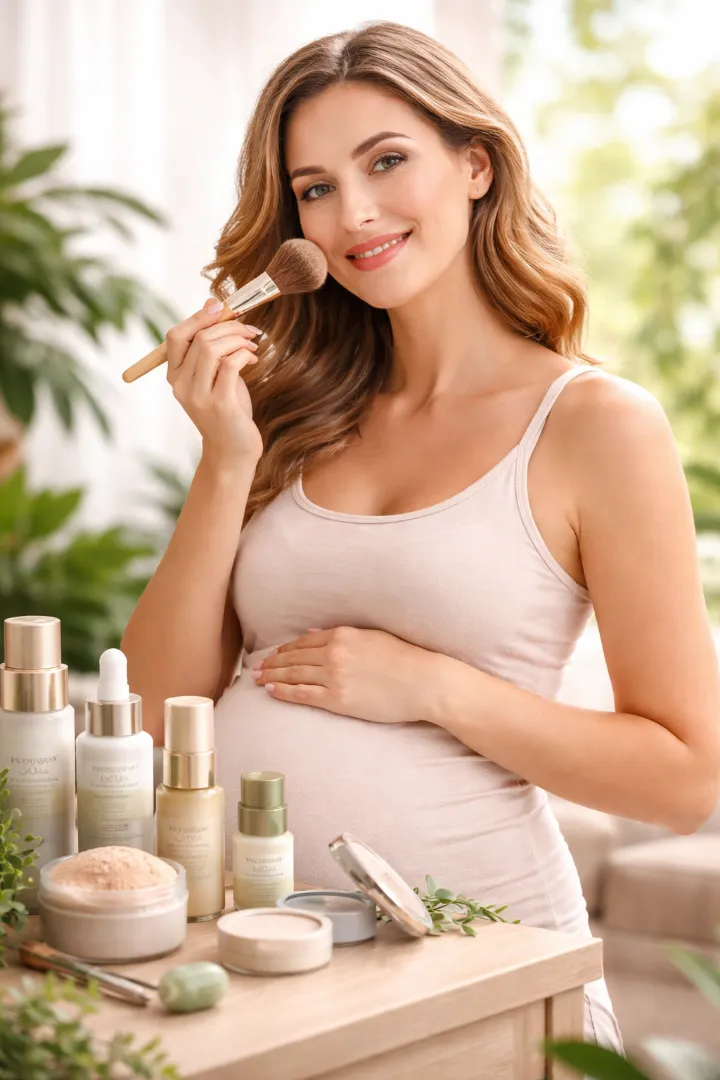
Stepping into motherhood is an exciting journey. It also brings many questions about daily choices.
One common concern for many expecting parents is their beauty routine. Is my makeup safe for my baby?
Finding pregnancy safe makeup is important. This guide will show you how to choose non-toxic cosmetics so you can enjoy your glow while keeping your baby safe.
1. Why Ingredient Safety is Essential During Pregnancy
Pregnancy changes many things. This includes how your body reacts to products.
What you put on your skin matters more now. Many everyday ingredients can be absorbed and enter your bloodstream — from there, they might reach your baby.
1.1. The Science of the Placental Barrier and Topical Absorption
Your skin is like a sponge. It absorbs chemicals from lotions and makeup, which then travel into your bloodstream.
Your placenta acts as a barrier for your baby. However, it is not foolproof — some chemicals can still cross over and impact fetal development.
Understanding this link is crucial. Our cosmetic choices can have a biological impact on both mom and baby.
1.2. Key Benefits of Transitioning to Non-Toxic Alternatives
Switching to pregnancy safe makeup reduces the total toxic load on your body. This supports a healthy endocrine system, which controls hormones, and hormonal balance is vital during pregnancy.
You may also notice better skin health. Avoiding irritants helps calm sensitive skin and can prevent rashes or discomfort.
Chemical-free products are often gentler. They are a smart choice for expectant mothers.
2. The Toxic “Red List”: Ingredients to Remove from Your Routine
Not all makeup ingredients are created equal. Some pose higher risks during pregnancy.
It’s smart to know which ones to avoid. Let’s look at the key chemicals to remove.
2.1. High-Risk Chemicals: Retinoids and Endocrine Disruptors
Some ingredients are strictly off-limits. Retinoids and Vitamin A are examples — doctors prohibit them during pregnancy as they may cause birth defects.
Always check your skincare and makeup labels. Avoid anything with retinoids.
Phthalates and parabens are endocrine disruptors that can interfere with hormones. Hormonal disruption can affect development, so look for paraben-free and phthalate-free pregnancy safe makeup.
2.2. Identifying Hidden Toxins in Daily Makeup Products
Harmful ingredients can hide in many products. Formaldehyde releasers are found in mascaras and lash adhesives — they can irritate, and some studies link them to more serious issues.
Heavy metals are another hidden danger. Lead and mercury can appear in lip pigments and some foundations.
Chemical sunscreens also pose risks. Oxybenzone is a common ingredient in tinted moisturizers — mineral-based makeup is a safer alternative.
3. Safe Solutions for Pregnancy-Related Skin Changes
Pregnancy often brings new skin challenges. You might experience melasma or acne.
The good news is safe solutions exist. You don’t have to give up feeling beautiful.
3.1. Concealing Melasma and Hyperpigmentation Safely
Melasma is sometimes called the “mask of pregnancy.” It causes dark spots on the skin.
Mineral-based concealers are an excellent pregnancy safe makeup option. They provide good coverage without harsh chemicals.
Iron oxides are natural pigments that protect skin from visible light damage. This is important for melasma — choose foundations with these ingredients.
3.2. Managing Hormonal Acne and Increased Sensitivity
Hormonal acne is common during pregnancy. Your skin might also become more sensitive.
Look for non-comedogenic bases that won’t clog pores. Make sure they are free from prohibited acids — salicylic acid is an example to avoid.
Fragrance-free formulations are also key. Strong scents can trigger nausea and cause skin rashes — opt for products with natural ingredients.
Do you want to find sunscreens for pregnancy, see Safe Suntan Lotion Pregnancy: Top Picks Recommended by Doctors
4. Recommended Brands and Performance-Driven Safe Swaps
Making the switch can feel overwhelming. Many brands now offer excellent non-toxic cosmetics that meet strict safety standards.
4.1. Gold-Standard Brands with 100% Pregnancy-Safe Lines
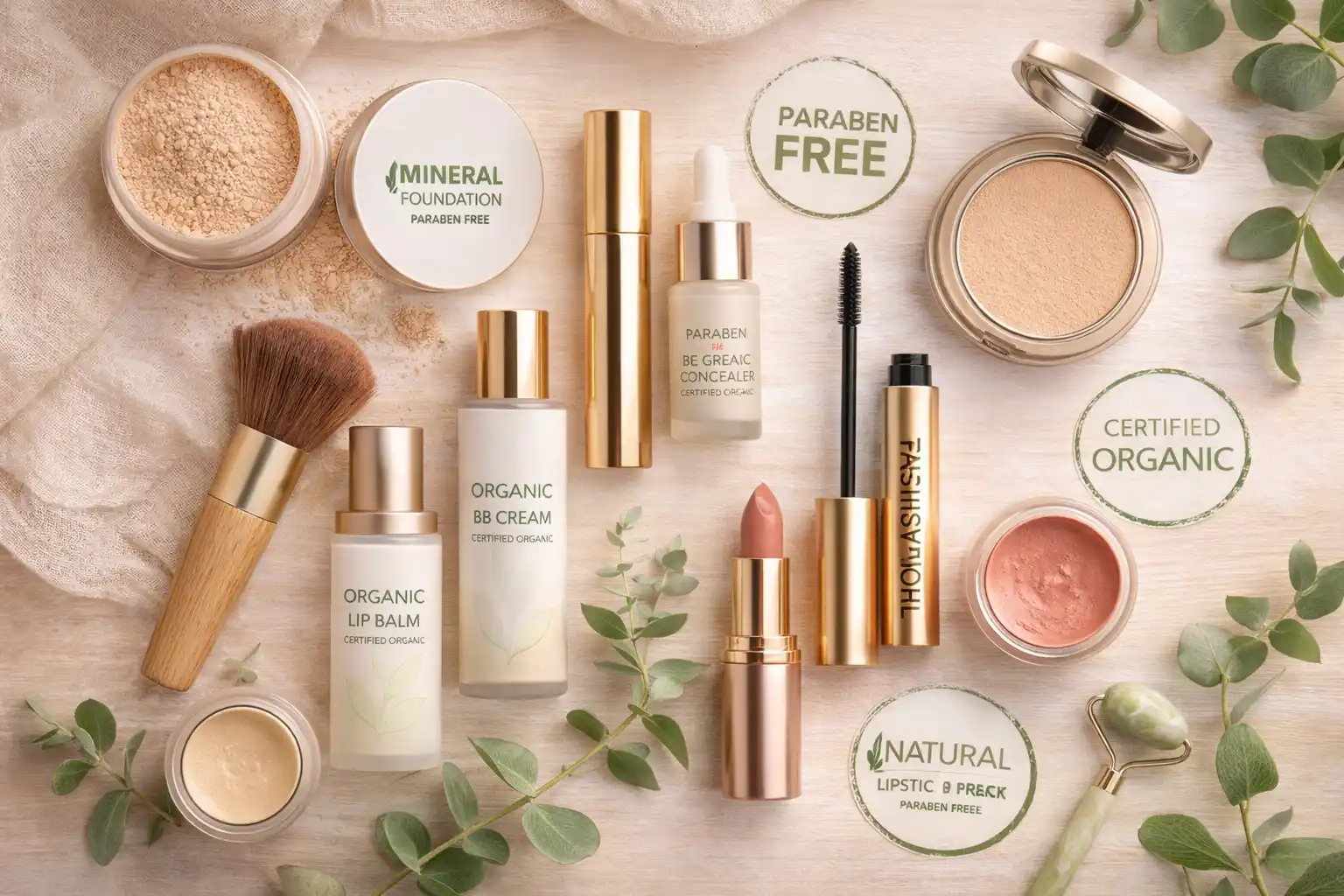
Several brands lead the clean beauty movement with truly pregnancy safe makeup lines. ILIA and Kosas are premium choices, known for organic skincare and natural ingredients.
If you’re looking for affordable heroes, consider Honest Beauty or Burt’s Bees. These brands often have dermatologist-approved formulas without breaking the bank.
4.2. High-Performance Alternatives to Traditional Favorites
You don’t need to sacrifice performance for safety. For full-coverage foundation, try a mineral-based liquid with zinc oxide and titanium dioxide — these offer natural SPF.
Replace waterproof mascaras with tubing formulas. They remove easily with warm water, avoiding harsh chemicals.
For lip care, choose fruit-pigmented, lead-free lipsticks. Many natural brands offer beautiful shades.
5. Transitioning Your Makeup Routine: An Incremental Guide
You don’t have to overhaul everything at once. Making gradual changes can be easier.
A step-by-step approach helps you adapt to pregnancy safe makeup without feeling overwhelmed.
5.1. A Step-by-Step Approach to a Safer Vanity
Start with a thorough audit. Check the ingredient labels of your current products and identify those with high-risk chemicals.
Prioritize replacing high-absorption products first. Lipsticks and foundations cover large skin areas and can be ingested too.
Patch-test new mineral products, as pregnancy can make your skin more sensitive. Finally, simplify your routine — fewer products mean fewer potential chemical exposures.
- Audit your current makeup for unsafe ingredients.
- Replace lipsticks and foundations first.
- Always patch-test new products.
- Consider simplifying your daily routine.
5.2. Maintaining Safety During the Postpartum and Nursing Phase
Safety considerations continue after birth. If you plan to breastfeed, certain toxins can transfer through breast milk — continue to avoid high-risk ingredients.
Adjust your pregnancy safe makeup habits for a “low-transfer” environment. Your newborn will be close to your face.
Opt for minimal, natural products. This helps protect their delicate skin during this tender time.
6. Expert Verifications: Answering Key Safety Questions
Many common questions arise about pregnancy and cosmetics. Let’s clarify some important points.
6.1. Is all “natural” or “organic” makeup automatically safe for pregnancy?
No, not always. “Natural” and “organic” labels are not always regulated — some natural ingredients can still be harmful.
Essential oils, for example, need careful use. Always read the ingredient list and look for certifications from trusted bodies.
Research specific ingredients when in doubt. True pregnancy safe makeup goes beyond just the label.
6.2. What exactly are “endocrine disruptors” in the context of cosmetics?
Endocrine disruptors are chemicals that interfere with your body’s hormone system. This includes hormones like estrogen and thyroid hormones.
During pregnancy, these hormones are crucial. Parabens and phthalates are common examples found in cosmetics.
6.3. Which makeup categories — Lip, Eye, or Face — pose the highest absorption risk?
Face products (foundations, concealers) pose a high risk as they cover large skin areas and allow for more absorption. Lip products also carry a high risk — they are easily ingested throughout the day.
Eye makeup is less about absorption and more about irritation to sensitive eye tissue. Choosing cruelty-free cosmetics is also a good practice for all categories.
6.4. Mineral vs. Chemical SPF Foundations: Which is safer for expectant mothers?
Mineral SPF foundations are the safer pregnancy safe makeup choice. They use zinc oxide and titanium dioxide, which sit on top of the skin and create a physical barrier.
Chemical sunscreens like oxybenzone are absorbed into the skin. Some studies link them to hormonal effects — always choose mineral-based SPF.
Conclusion
Choosing pregnancy safe makeup doesn’t have to be hard. You can absolutely enjoy your beauty routine — just make informed choices.
Focus on non-toxic cosmetics and natural ingredients. Avoid the “red list” chemicals and opt for dermatologist-approved, chemical-free products.
This helps protect both you and your baby. Embrace this special time with confidence and peace of mind — your glowing beauty will shine through safely.


7 Best Picks for Bioderma Sunscreen: Safe, Gentle Protection
How to Apply Foundation for a Flawless Finish
How to Clean Makeup Brushes: A Professional Guide to Better Skin and Tool Longevity
Eyeliner Tips: 7 Pro Secrets for a Flawless, Smudge-Proof Look
How to Fill In Eyebrows for Beginners (Step-by-Step Tutorial)
5 Picks for the Best Face Wash for Rosacea: Soft, Simple Care