

Learning how to clean makeup brushes protects your skin and improves your beauty routine. Dirty tools harbor bacteria. This leads to breakouts and dull makeup application.
This guide shows you how to clean makeup brushes professionally. You’ll master techniques that make your brushes perform better and last longer. Follow these steps for healthier skin and perfectly blended makeup every time.
1. The Benefits of Learning How to Clean Makeup Brushes Regularly
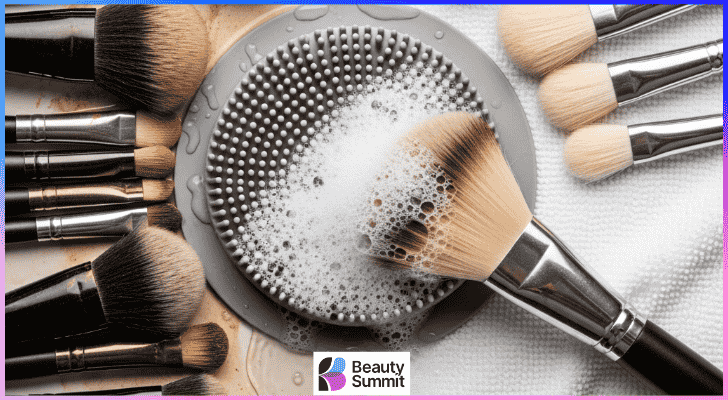
You gain many advantages when you learn how to clean makeup brushes properly. Clean tools protect your skin from harmful bacteria. They also ensure your makeup looks flawless.
Regular cleaning delivers big results. It’s a simple step that benefits both your beauty and health.
Protecting Your Skin from Bacteria and Acne Breakouts
Dirty brushes trap oil, dead skin cells, and old makeup. This combination creates a perfect breeding ground for bacteria.
Germs like Staph and E. coli thrive in dirty brushes. These bacteria cause skin inflammation. They trigger acne breakouts, irritation, and even infections.
When you know how to clean makeup brushes regularly, you remove these harmful elements. You stop bacteria from spreading onto your face. This important habit keeps your skin clear and healthy.
You reduce the risk of painful blemishes and skin issues.
Improving Product Application and Color Precision
Leftover product residue clogs brush bristles. This prevents your makeup from applying smoothly.
Your foundation might look streaky. Your eyeshadow shades could appear muddy. Clean bristles deliver true-to-color payoff.
Clean brushes pick up product evenly. They distribute it smoothly across your skin. This results in seamless blending and precise color application.
Your makeup will look more professional and vibrant. You’ll achieve your desired look with ease.
2. Choosing the Right Cleansers and Tools
You need to select the correct cleaning agents and tools. This ensures an effective and gentle clean.
The right products protect your brushes and your skin. They make the cleaning process simple and efficient.
Professional Solutions vs. Safe Household Alternatives
You have several excellent options for brush cleansers. Professional brush soaps break down tough, waterproof makeup formulas effectively. They remove stubborn product buildup.
Baby shampoo offers a gentle and budget-friendly choice. Its pH-balanced formula works safely on most bristles.
Conditioning liquid cleansers work best for natural-hair brushes. They maintain softness and prevent dryness. Choose an agent that suits your brush type and makeup preferences.
Essential Hardware for a Thorough Clean
A few tools can enhance your cleaning routine. Silicone scrubbing mats feature textured surfaces. These textures help you dislodge makeup from the brush’s core.
They provide a deeper clean than just using your hand.
Microfiber towels absorb moisture excellently. They gently squeeze out excess water without snagging bristles.
Always use clean towels. This avoids transferring dirt back onto your freshly washed brushes. These items make cleaning much easier.
3. How to Clean Makeup Brushes Step-by-Step
Deep cleaning your brushes follows a simple, methodical process. You prevent damage when you follow each step correctly. This detailed guide on how to clean makeup brushes makes the task straightforward.
Understanding how to clean makeup brushes properly ensures they become truly clean.

Preparing the Bristles and Protecting the Ferrule
First, wet the brush bristles under lukewarm running water. Point the brush head downwards. This step is crucial when learning how to clean makeup brushes.
You prevent water from entering the metal ferrule this way. The ferrule connects bristles to the handle. Water in the ferrule can dissolve the glue.
This causes bristles to shed.
Keeping the brush pointed down protects its structural integrity. It helps your tools last longer. This simple technique is vital when you clean makeup brushes properly.
It prepares your brushes for a thorough wash without damage.
Lathering, Rinsing, and Verifying Cleanliness
Apply a small amount of your chosen cleanser to your palm or a silicone mat. Swirl the wet brush gently in a circular motion.
Continue until a lather forms. The suds will turn the color of the makeup residue. This indicates you’re removing the product successfully.
Rinse the brush thoroughly under lukewarm, downward-flowing water. Repeat the lathering and rinsing process. Continue until the water runs completely clear.
This confirms you’ve removed all makeup and cleanser.
Gently squeeze out any excess moisture with a clean towel. Reshape the bristles to their original form. For more on skin protection from dirty tools, visit the American Academy of Dermatology Association.
4. Correct Drying Methods to Prevent Tool Damage

Proper drying is as important as cleaning. Incorrect drying can ruin your brushes. It can shorten their lifespan significantly.
You protect your investment when you learn the right way to dry your tools.
Why Airflow and Gravity Matter Most
Never dry brushes standing upright. This is a common mistake that causes serious damage.
Capillary action pulls moisture into the handle and ferrule. This trapped water dissolves the glue that holds the bristles. Dissolved glue leads to excessive shedding.
It also weakens the brush structure.
Proper drying techniques ensure moisture drains away from the ferrule. This prevents premature damage. It extends the life of your brushes.
The “Counter-Edge” Laying Technique
Lay a clean towel on a flat surface to dry brushes correctly. Position the brush heads so they hang off the edge of a counter.
This allows for 360-degree airflow around the bristles. Good airflow is essential for even drying.
This method prevents moisture from accumulating in the brush’s core. It stops mildew growth. It ensures bristles dry completely.
The “counter-edge” technique also helps bristles maintain their shape. Your brushes will stay soft, hygienic, and ready for your next application.
5. Maintenance Schedules and Replacement Signs
You need to establish a regular routine when you clean makeup brushes. This keeps your tools hygienic and effective.
Knowing when to clean and when to replace is key. Mastering how to clean makeup brushes includes understanding maintenance schedules.
Establishing a Routine Based on Product Type
The frequency of cleaning depends on the product you use. Clean foundation and concealer brushes once a week.
Liquid products harbor more bacteria. They accumulate faster. This weekly clean is vital for clear skin.
You can clean eye makeup and powder brushes once every two weeks. These products grow bacteria less quickly. Clean beauty sponges after every single use.
They absorb product heavily. They quickly become breeding grounds for germs. Replace sponges every three months.
Recognizing the Risks: When to Replace Your Brushes
Brushes don’t last forever, even with regular care. Replace your tools when cleaning no longer restores their softness.
Persistent odors that won’t wash out are another clear sign. Excessive shedding or a misshapen ferrule also indicates you need new brushes.
Worn-out brushes can damage your makeup application. They can also scratch your skin. Replacing them ensures hygienic and effective beauty practices.
It keeps your routine fresh and your skin happy.
While the steps above cover the essential how to clean makeup brushes process, many users have specific questions. These involve specialized materials and risks. The following section provides expert troubleshooting when you learn how to clean makeup brushes for advanced scenarios.
6. Common Questions and Expert Tips
Here are answers to frequently asked questions about how to clean makeup brushes. These expert tips address common concerns.
They help you maintain your tools safely and effectively. Gain deeper insights into cosmetic applicator care.
Definitional: What exactly is the “Ferrule” and why is it so vulnerable?
The ferrule is the metal ring on your brush. It securely connects the bristles to the handle.
This part is highly vulnerable to moisture. Water trapped inside can rot the wood handle. It can also dissolve the glue.
This causes bristles to loosen and shed.
Comparative: Are liquid cleansers better than solid soap bars?
Liquid cleansers generally work better for deep-cleaning synthetic brushes. They excel at breaking down cream and liquid makeup.
Solid soap bars are often gentler for natural-hair powder brushes. They help preserve the delicate texture of natural bristles.
Grouping: Which household items are safe vs. harmful for brushes?
Some household items work safely for brush cleaning. Safe options include Dawn dish soap (used sparingly), olive oil (as a conditioner for bristles), and baby shampoo.
Harmful items include professional hair bleach, high-heat hair dryers, and boiling water. These can severely damage bristles and glue.
Boolean: Is it dangerous to share makeup brushes if they look clean?
Yes, sharing makeup brushes is dangerous, even if they appear clean. Brushes harbor microscopic bacteria and viruses invisibly.
You face a significant risk unless a brush undergoes a medical-grade deep clean. This can lead to cross-contamination and skin infections.
Key Takeaways for Makeup Brush Care:
- Regular cleaning prevents bacteria buildup and acne.
- Clean brushes ensure smooth, true-to-color makeup application.
- Use gentle cleansers like baby shampoo or professional brush soaps.
- Always dry brushes upside down to protect the ferrule.
- Clean liquid foundation brushes weekly; powder brushes bi-weekly.
- Replace brushes showing signs of wear like shedding or persistent odors.
This guide moves from the benefits of a hygienic routine to the risks. It covers improper drying and tool sharing. You now have a 360-degree understanding of makeup brush maintenance.
Keeping your cosmetic applicators clean is a simple yet powerful habit. It supports both your skin’s health and the longevity of your beauty investments.
Embrace these professional tips on how to clean makeup brushes. You’ll enjoy a visibly better and healthier beauty routine.


Face Wax Strips: 10 Key Facts for Smooth, Lasting Results
7 Key Facts About Lash Lamination: Benefits & Safety
Purito Sunscreen: Top 10 Essential Facts to Know
Bronzer vs Contour: The Ultimate Guide to Warmth, Definition, and Depth
What Is a Skin Tonic Toner? How to Use It Effectively?
How to Fill In Eyebrows for Beginners (Step-by-Step Tutorial)