

Are you tired of a foundation that looks like a mask? Many individuals struggle to find their ideal shade.
Learning how to choose a foundation shade may seem difficult. This guide makes the process easy to follow. We will guide you through each important process when learning how to choose a foundation shade.
You will learn to recognize your distinct skin tones. We discuss testing methods and online matching for skin tone matching.
You are about to achieve a truly perfect complexion. This is a detailed guide on finding your perfect match when learning how to choose a foundation shade.
Step 1: Determine Your Skin Undertone
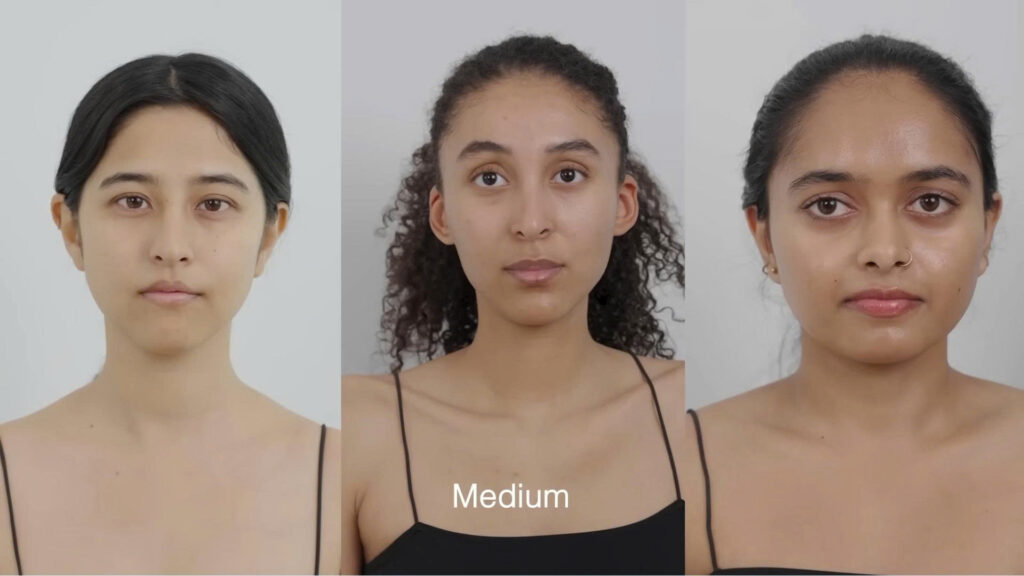
You need to know your skin before you look at a foundation bottle when learning how to choose a foundation shade. Your surface color can change. Your undertone is permanent.
This scientific part guarantees an ideal fit. The secret of success in skin tone matching is matching your undertone.
Surface Tone vs. Undertone
Your surface tone is what you see day to day. It is the hue on the top of your skin.
This could be redness, summer tan, or winter pallor. Many individuals attempt to match this surface color for undertone identification.
This usually results in a mask-like appearance.
Your undertone is the color beneath the surface when learning how to choose a foundation shade. It never changes. This internal color influences how the foundation appears on you.
Matching your undertone is important for a natural look. It blends perfectly with your natural skin color.
Three major permanent undertone types exist.
Cool: Your skin has pink, red, or bluish tones.
Warm: Your skin has yellow, peachy, or golden tones.
Neutral: Your skin combines pink and yellow tones. It does not have a distinct dominant color.
Consider the olive exception when learning how to choose a foundation shade. Some people have an olive complexion. This usually appears as green or greyish tones.
It may be confused with neutral skin. Olive is a unique warm-neutral combination.
It requires special shade consideration.
How to Test Your Undertone
A few basic tests reveal your undertone when learning how to choose a foundation shade. These approaches are quick and reliable.
Do them in natural light. This helps with proper undertone identification.
The Vein Check
Look at the veins on your inner wrist. Do this in good natural light.
If your veins appear blue or purple, you probably have a cool undertone.
If your veins appear green, you likely have a warm undertone.
If you see a blend of blue and green, your undertone is probably neutral.
This is one of the most common methods for checking undertones.
The Jewelry Test
Think about silver or gold jewelry; which suits you better when learning how to choose a foundation shade.
Does silver jewelry make your skin brighter? You might be cool-toned.
Does gold jewelry make your skin glow? You might be warm-toned.
If both silver and gold look good, you most likely have a neutral undertone.
This is a well-known, fun test that reveals facts about your skin.
The Sun Reaction
Consider how your skin reacts to the sun when learning how to choose a foundation shade.
Do you burn easily and rarely tan? This indicates a cool undertone.
Do you tan easily and rarely burn? You likely have a warm undertone.
Do you burn first, then tan afterward? You may have a neutral tone.
Your sun history helps you determine your undertone type.
Step 2: Swatch and Test the Shade Correctly
After you have a theory about your undertone when learning how to choose a foundation shade, you should test it. Physical examination is essential for the ideal match in swatch testing.
This section covers application techniques. It also covers the critical wait time required.
These steps help you perceive the real color. Proper swatch testing avoids mistakes.
Where to Apply the Swatch

Selecting the right swatch location is important when learning how to choose a foundation shade. Some people test the foundation on their hand or arm. This is usually incorrect for shade comparison.
Your arms and hands are often different tones. They fail to match your face color.
Avoid these areas when making foundation shade comparisons.
The jawline is the ideal spot. Apply the foundation on your lower cheek. Bring that stripe down to your neck.
This location shows the best blend of foundation. It reveals whether the color belongs to your skin or not.
The three-shade technique is recommended when learning how to choose a foundation shade for accurate shade comparison. Swatch three colors next to each other.
Pick the shade you believe fits.
Select a shade that is slightly lighter.
Choose one shade slightly darker.
The color that disappears into your neck wins. This is the best way toward an ideal match in skin tone matching.
It accounts for subtle variations in brand shade range.
Lighting and Oxidation Checks
Lighting has a tremendous influence on a foundation’s appearance when learning how to choose a foundation shade. Most stores have fluorescent lighting. This light can show colors incorrectly with lighting assessment.
It can alter how foundations appear. Always swatch in natural light.
Take a mirror outside if you can. This helps you appreciate the actual color with proper lighting assessment.
Oxidation is another important factor. Foundation pigments may darken. This happens when they contact air and the oils in your skin.
This occurs over approximately 20 minutes. Wait this time before you buy anything.
What you see at first on your skin might not be your final color. Variations in product consistency may affect oxidation.
Oily skin can promote oxidation when learning how to choose a foundation shade. With oily skin, the foundation could darken more quickly.
You might need to purchase a lighter shade. This compensates for the color change.
Wait and test after 20 minutes. This modification guarantees a permanent, genuine match.
Step 3: Find Your Shade Online Without Testing
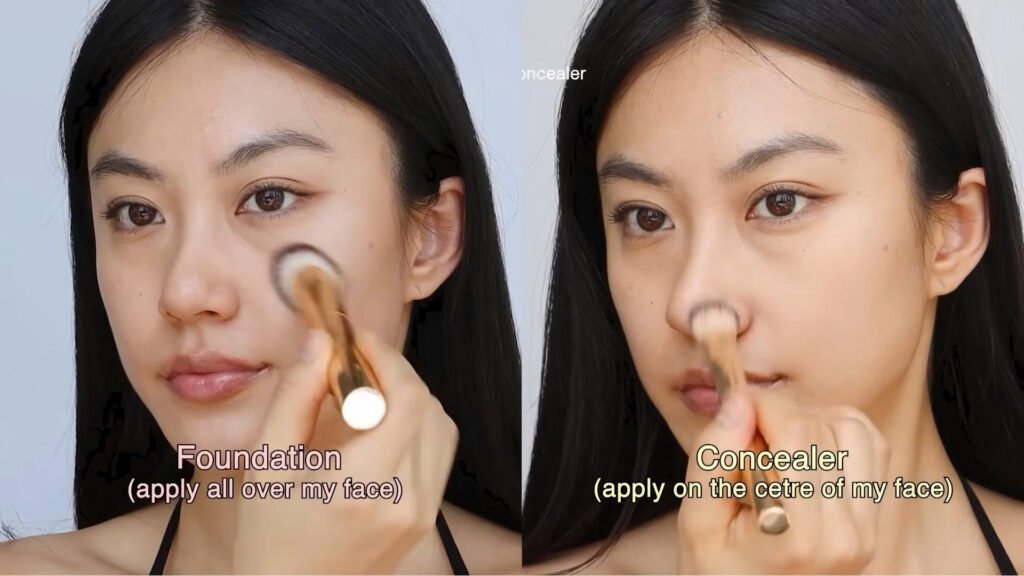
A store visit is not always possible when learning how to choose a foundation shade. You might need to depend on online resources.
This section describes ways to use online tools. This shows how you can still find your dream shade for skin tone matching.
Careful research and comparison are required. This is one way to discover an online solution.
Using Shade Match Tools
Online aggregator sites prove very helpful when learning how to choose a foundation shade. Websites such as Findation or Match My Makeup are good examples. They have huge collections of foundation shades across the brand’s shade range.
These tools convert a shade you own to another brand. For example, you can input your MAC NC42.
The tool will provide equivalent matches in different brands. This is an effective way to increase your choices.
Many cosmetic companies have quizzes. These quizzes help you discover your shade for undertone identification.
Answer the algorithm questions honestly. Be specific about how your skin responds to the sun.
Provide your description of natural skin color. This information helps the quiz make accurate recommendations.
Be accurate with your responses for the finest results.
Be mindful of allergies when learning how to choose a foundation shade. Some ingredient lists are available online for allergy considerations.
Most brand sites list their ingredients. This guarantees the safety of your selected product.
Online purchases largely depend on this information.
The “Skin Twin” Research Method
Video research may prove useful when learning how to choose a foundation shade. Review videos on YouTube or TikTok for shade comparison.
Search by your foundation shade name. You can see it applied to real people.
This helps you estimate how the shade appears. It gives a visual representation before you purchase.
Understanding shade codes helps you locate product names. Different brands use various labeling systems.
- “W” often stands for Warm.
- “C” usually means Cool.
- “N” indicates Neutral.
Numbers often refer to depth. Lower numbers are lighter. Higher numbers are darker.
You can interpret product names when you learn these codes in how to choose a foundation shade. This makes online shopping easier within any brand shade range.
It helps narrow choices.
Step 4: Fixes for Mismatched Foundation
Have you ever bought the wrong foundation shade when learning how to choose a foundation shade? You don’t need to throw it away.
Many correction techniques exist. These approaches can save a poorly matched bottle.
They save money and time.
Adjusting Depth and Tone
Your foundation is sometimes too dark or too orange. You can shear it out easily.
Mix a little with your daily moisturizer. This lightens it and reduces coverage.
The alternative is to add a blue color-correcting pigment. Even one drop neutralizes orange warmth.
It makes it less biased.
If your foundation is too light or looks ashy when learning how to choose a foundation shade, you can adjust it. Mix it with a liquid bronzer for better skin tone matching.
This adds warmth and depth to the formula. Otherwise, just use the light foundation at the center of your face.
Apply it as a highlighter. This technique makes your complexion look brighter, not ghostly.
You can correct the wrong undertone with color-correcting drops when learning how to choose a foundation shade.
Remove redness with green drops.
Cancel yellowness with lavender drops.
These drops adjust the formula. They help achieve the right undertone balance.
Even a small amount goes a long way. This approach works well for accurate skin tone matching.
Please refer to the following videos for simple tips on how to find a foundation shade
Step 5: Frequently Asked Questions About Foundation Matching
This section discusses certain scenarios when learning how to choose a foundation shade. It covers concerns about seasons and formulas regarding seasonal skin changes.
It gives you a wider perspective on your journey. This data provides unique value and explanation.
Common Concerns and Clarifications
Should I have a winter and summer shade?
Yes, most skin becomes darker during summer when learning how to choose a foundation shade. It lightens in winter due to seasonal skin changes.
Sun exposure alters your skin. Having two shades is very advisable.
You can mix the two in spring and autumn. This creates a custom match throughout the year.
It accounts for seasonal skin changes perfectly.
How does the “finish” affect the color?
Matte foundations absorb light when learning how to choose a foundation shade. This may make them appear darker or flatter in terms of product consistency.
Dewy foundations reflect light. They tend to appear lighter or brighter on the skin.
With a dewy finish, you can get away with an imperfect match. The finish influences the visual shade and product consistency.
Is matching full coverage harder than tinted moisturizer?
Yes, it is generally harder when learning how to choose a foundation shade. Light formulas like tinted moisturizers are more forgiving.
They blend through several skin tones. Full coverage formulas are not transparent for shade comparison.
They demand a perfect match to avoid a mask-like appearance. Accuracy is important with full coverage products.
This is what you should consider during your choice.
The Journey to Your Perfect Match
Finding your perfect foundation is a process when learning how to choose a foundation shade. This requires patience and a bit of testing.
These steps prepare you for success. Now you know how to choose a foundation shade masterfully.
Wear your truly glorious, perfectly matched complexion!
Remember to consider lighting assessment, undertones, and product consistency when learning how to choose a foundation shade. Test new options in a different brand shade range.
Discover the foundation made for you and embrace your natural skin tone.
Achieve a smooth and lovely finish daily with the perfect knowledge of how to choose a foundation shade!


5 Picks for the Best Face Wash for Rosacea: Soft, Simple Care
The Ultimate Dermatologist-Led Guide to Sunscreen for Melasma: Why SPF 50 is Only Half the Battle
Does Laser Hair Removal Hurt? The Realistic Guide to Pain, Comfort, and Results
7 Key Facts About Lash Lamination: Benefits & Safety
Lash Brow Tint: Benefits, Process & Safety Guide (2026)
Safe Suntan Lotion Pregnancy: Top Picks Recommended by Doctors