

Do you want to bridge your offline promotions with your online presence? This gap exists because there is no solid QR code marketing strategy in place. QR codes will provide an easy method for customers to engage with your brand in real-time.
They make print advertisements, packaging, or in-store display interactive. This tutorial shows how to create an effective QR code marketing strategy that drives action and delivers measurable results for your business.
What Is a QR Code Marketing Strategy?
QR code marketing involves the use of Quick Response (QR) codes to bridge the gaps between the real world and the online world. You can put links, videos, and contact information into a small QR code image.
Customers scan the code with their smartphone cameras. This is what will instantly take them to your desired online destination. It is one of the major components of mobile marketing nowadays.
A QR code marketing strategy spells out your business intentions on how you intend to use QR codes to meet certain objectives. It is not merely putting a code on a poster. It is done through proper planning, design, and analysis. This approach is in line with the overall business goals of your QR codes. It can assist you in lead generation, sales, or improved customer interaction.
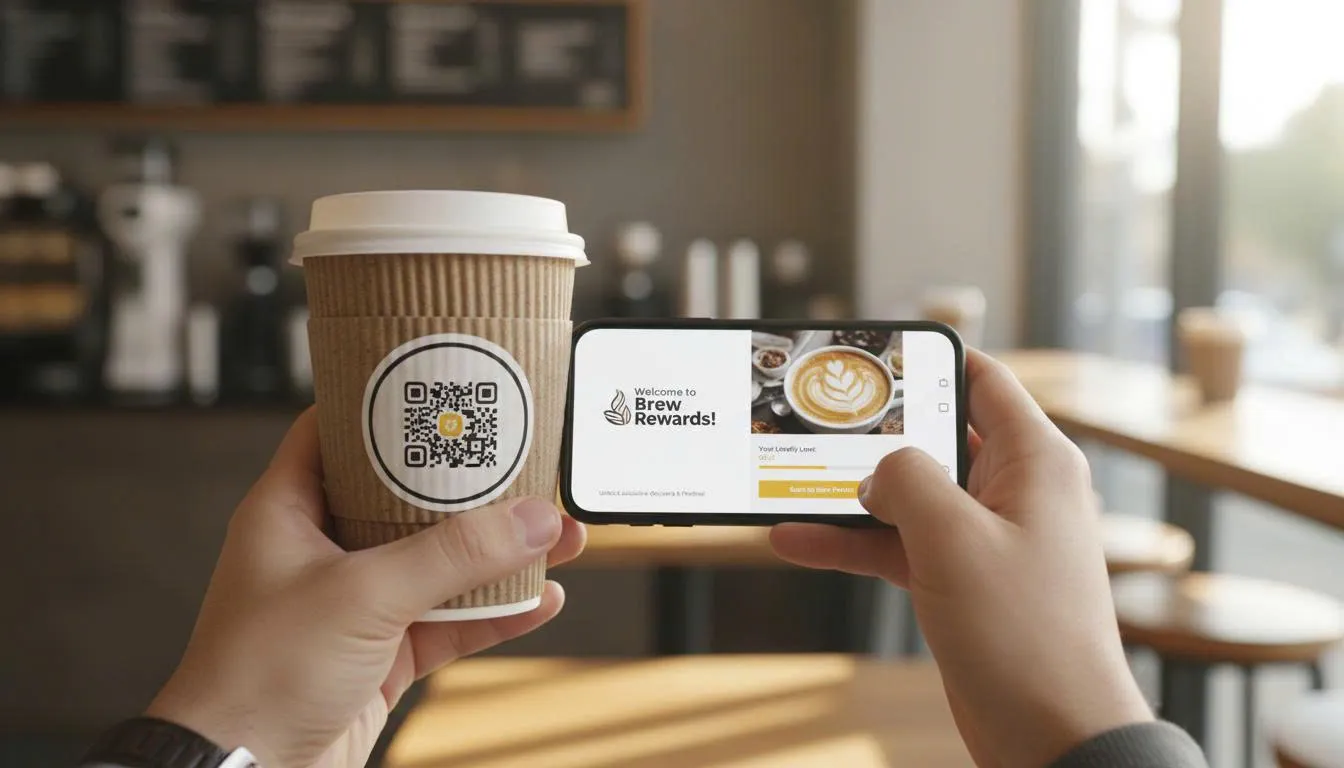
Why Most QR Code Marketing Strategy Fails
Most of the businesses experiment with QR codes and achieve low scan rates or poor performance. This is usually the case since they lack a clear strategy.
They may employ codes without the presence of a powerful call to action. Or, these codes may link users to pages that are not mobile-friendly. The knowledge of these pitfalls can assist you in avoiding them.
Common Mistakes That Kill Scan Rates
The lack of clear instructions is one of the most common mistakes. The users should be aware of what they are to do and receive. The other mistake is the placement of codes in difficult-to-scan locations.
Consider lighting, distance, and the comfort of the user. A slow or broken landing page also frustrates users. This soon kills the hope of conversion.
The other significant problem is bad placement. Poor placement—too high, too small, or in dark areas—prevents users from scanning the codes. Users also give up on the codes that do not offer instant value or have too many steps to follow to perform an activity.
Why Generic QR Codes Don’t Convert
Generic QR codes do not tend to convert. They are just black and white non-branded codes.
They appear unattractive and unbelievable. Such codes discourage people from scanning them. Make your QR code visually appealing and consistent with your brand identity.
Users are hesitant without a visual appeal or brand recognition. They wonder: “Is this safe?” or “What will I get?” Answering these questions visually, creating a branded and well-designed code will create instant trust.
Setting Goals for Your QR Code Marketing Strategy
QR codes can be successful only when planned. You should be specific on what you want to achieve. Next, select the appropriate kind of QR code to use. Lastly, design codes that look appealing and encourage users to scan them.
Defining Measurable Objectives
Determine what you want to accomplish before you design a QR code. Is it that you want more traffic on your websites? Higher email sign-ups? Or perhaps app downloads?
Clearly defined goals with measurable outcomes are essential. These objectives will be the ones that will shape your QR code marketing strategy.
Have certain goals like: grow email list by 500 subscribers in 30 days or get 1,000 product page visits a month. Measurable goals enable you to monitor progress and evaluate success. They also assist in the selection of the correct type of QR code and design strategy.
Aligning QR Codes with Business Outcomes
Connect QR codes to the larger business results. To illustrate, when you want to boost the number of people visiting your stores, you could use a discount in your QR code. Link to a signup form in case it is lead generation using QR codes. Always think of the way the QR code can expand your business.
Link each QR code marketing strategy to certain KPIs such as revenue growth, customer acquisition cost or lifetime value. This makes sure that your QR code marketing is resulting in bottom-line performance, and not just the vanity metrics.
Choosing the Right QR Code Type
There are no equal QR codes. You mainly have two: the static and dynamic ones. It is important to understand their differences to succeed.
Static vs. Dynamic QR Codes
Static QR Codes: These are the codes that hold the information. After creation, you cannot alter it. They are appropriate for permanent data ,such as the website of your company or contact details which are not going to change.
Dynamic QR Codes: These codes are based on a short redirect URL. This implies that you are able to edit the attached content at any time, even after printing. They are ideal for continuous QR campaigns.
QR code analytics is also useful in dynamic codes. You are able to monitor scans, locations, and the type of device. This information is necessary to maximize your work.
When to Use Custom-Branded QR Codes
Custom-branded QR codes contain colors, logo, and unique design of your brand. Personal codes enhance brand recognition and credibility. They enhance the appeal of your code and increase the scan rates by a large percentage.
Whenever your QR code may be publicly-facing or a part of a large-scale campaign, use branded codes. They are ideal for packaging and ads where you need to stand out and gain trust quickly.
Creating QR Codes People Actually Scan
An effective QR code will be scanned far more frequently. These are the best practices to follow to develop appealing and useful code.
Design Best Practices for Higher Scan Rates
Contrast and Size: Be sure that there is a lot of contrast between the code and the background. Ensure that the code is large in size to scan. Suggested size is usually 1×1 inch.
Branding: Apply your brand colors and logo. This contributes to building trust and increasing user confidence in the code. Customize your codes with a good QR code generator.
Clear Call to Action: Be sure to inform people what they will get. Promote with the expression Scan to Get 20% Off or Scan Our Menu.
Testing: It is necessary to test your QR code before printing. Test it by scanning at various distances and with various devices. This ensures it works perfectly for everyone.
Optimal Placement Strategies
Most important, as design is optimal placement strategies. Place QR codes in locations where users can view and scan them easily. Take into account viewing angles and user behavior. Do not hide them in the background or in a corner.
Place codes at eye level where feasible. Proper lighting and spacing to facilitate users in easily drawing out their phones. Consider the physical situation of the user: is he walking, sitting, or queuing? Place codes accordingly.
Mobile-Optimized Landing Pages
Always redirect to mobile-optimized landing pages. Scanners use smartphones, so they should have a smooth experience. A slow or overloaded website pushes users away.
Your home page must load in less than 3 seconds. Apply responsive design that responds according to screen size. Make buttons and forms friendly to the thumb, and their touch targets must be large. Get rid of extra navigation, which can take away your conversion objective.
Tracking QR Code Performance
It is necessary to monitor your QR code marketing strategys. The most important metrics and ROI calculations are able to give information about the user behavior and campaign effectiveness.
Key Metrics to Monitor
The essential measures to be monitored are total scans, unique scans, scan location, and time of day. This information can give data on user behavior and campaign effectiveness.
Type of track devices (iOS and Android), geographic distribution, and frequency of scans over time. Measures scan to desired action conversion rates. Track trends and trends in order to see the best time or place to do the next campaign.
Calculating Campaign ROI
The majority of the dynamic QR code solutions come with built-in analytics. Test these tools to know what works and what does not work. Marketers calculate campaign ROI by balancing spending on QR code adverts with the income earned. This assists you in improving your future interactive marketing approaches.
Consider design cost, printing cost, QR code platform fees, and advertising material. Then measure revenue per scan, customer lifetime value, and the cost savings compared to traditional interactions.
QR Code Marketing Strategy by Marketing Channel
Your QR code should be placed best as dictated by your marketing channel. All the channels present a variety of customer interactions.
Print and Direct Mail
Place QR codes on brochures, flyers, and postcards. Connect with product pages or promotions. This will turn offline interest into online action.
Insert individual QR codes on direct mail to monitor the individual response. Provide special services or offers to promote interaction. Take advantage of dynamic codes in order to be able to change offers without having to reprint materials.
Product Packaging
Apply QR codes on the product labels. Give in-depth product details, recipes, or loyalty program registrations.
Connect to how-to videos, stories about sourcing ingredients, or user-generated content. Create unboxing experiences that extend beyond the physical item. Induce repeat buying by having special member benefits that are available by use of the code.
In-Store and Point-of-Sale
Location codes: Next to the product or checkout. Provide immediate discounts, product reviews, or availability of customer care.
Allow quick pricing, product specifications, or product alternatives. Support non-contact payment options or online delivery of receipts. Establish feedback gathering on an immediate basis.
Events and Trade Shows
Apply business card codes, banners, or booth codes. Share or share digital content easily.
Connection to downloadable documents,a sample of a booking form, or an event programme. Facilitate real-time exchange of contacts and the schedule of follow-up. Record what booth materials elicit the greatest response.
Outdoor and Transit Advertising
Place billboards or bus shelters with codes on them. Connection to individual campaign landing pages or brand narratives.
Make sure that the codes are big enough to scan at a distance. Dynamically test codes are for testing various messages in the campaign. Build mobile-first web experiences that are fast on cellular networks.
Landing Page Best Practices
The magic is done on your landing page. An ugly landing page will destroy a good QR code. Make sure your landing pages are optimized for mobile devices.
Speed and Mobile Optimization
Users are frustrated by long loading times, which increase bounce rates. image optimization, code optimization, and rapid hosting. Ensure devices and connection speeds are working properly.
Target sub-2 second load times 4G. Enable lazy loading for below-the-fold images. Limit the use of third-party scripts which slack page loading. Use AMP (Accelerated Mobile Pages) on important landing pages.
Reducing Friction in the User Journey
Minimise the user experience. Ensure the content is pertinent to the call to action of the QR code. In case the code offered a discount, ensure that it is easy to retrieve and get the discount.
Apply clean lead generation by using QR codes. Minimize form fields to prompt action. The conversion rate is higher the less effort it needs.
Streamline the process from scan to conversion. Pre-populate any known information. Provide social check out or one tap. Multistage processes should have progress indicators.
Security and Privacy Considerations
Security and successful campaigns are the two factors to consider to maximize the potential of QR codes.
Protecting Users from QR Scams
The more popular the QR codes are, the more scams can be expected. It is critical to secure users against QR scams. A well-known QR code generator should be on the priority list.
Teach your audience the ways of safe scanning. Alert them of suspicious codes.
Train users to look at URLs. Embark web shorteners that reveal the destination. Build the name of your brand prominently close to the code. Install HTTPS on every landing page to display the indicators of security.
Data Privacy Compliance
It is also vital that it complies with data privacy. In case your QR codes gather any user information, make sure that you are abiding by privacy laws.
Be open to data gathering. Safeguard user information. This generates confidence with your audience.
Adhere to GDPR, CCPA, and all applicable data privacy laws. Post prominent privacy policies before data collection. Provision of opt-in, as opposed to opt-out mechanisms. Protect data by encryption and only allow authorized personnel to access it.
Common Pitfalls to Avoid
Technical mistakes or a lack of proper testing can spoil even very well-thought-out campaigns using the QR code. Such pitfalls are useful in order to make a campaign successful.
Technical Errors That Block Scans
Common technical flaws are broken links, bad URLs, and server issues. QR codes that lead to missing pages or lapsed promotions cause frustration and destruction of brand trust.
Make sure that the platform of your QR code is well-maintained. Watch broken destinations in real-time. Use correct 301 redirects in case of a change of URLs. Check the test codes in various QR reader apps because certain apps can interpret the data in a different way.
Testing Before Launch
Always check your QR code very carefully before printing or publication. Scan on various devices and in various states. Test on both iOS and Android to ensure camera applications perform consistently.
Test in low light, at different distances, at angles. Ensure that the redirection of dynamic codes works and that analytics are working correctly. Test a full user journey by members of other departments. Create print test copies to be certain that the printing materials are scanning properly.
Real-World Success Examples
The QR code solutions have worked hugely in many businesses. See the way other people make good use of them.
Retail and E-Commerce Campaigns
A fashion brand utilized QR code tags in its clothing tags. They were associated with making up videos or reviews by customers. This improved shopping experience also improved sales.
Customers can instantly see how to use items in different ways and read real customer reviews. This was because the brand was able to stay on track of which products carried the highest number of scans and applied them in making inventory decisions.
Restaurant and Hospitality Use Cases
Digital menus are frequently used in restaurants in the form of QR codes. There are also others connected to online reservation or ordering. This enhances efficiency and convenience in the service delivery to the customers.
One restaurant chain cut wait times by 40 percent after introducing mobile ordering via QR codes. Hotels use QR codes for contactless check-in, digital concierge services, and local attraction recommendations.
B2B Lead Generation
QR codes were put on the trade show booths of a software company. Organizations used these codes for case studies or demographic sign-ups. They were able to get hold of many qualified leads.
By organizing the codes by booth sections, the company identified the most popular products. The system implemented automated follow-ups based on the resources each prospect visited, boosting conversion rates by 25%.
See more tips for salon growth.
Implementation Checklist
Follow this guide in case of a successful deployment of your QR code.
Step-by-Step Launch Guide
Define Goals: Be clear as to what it is you want to achieve.
Choose QR Type: Select either a static or dynamic code.
Design Codes: Establish branded, scannable codes that have a call to action.
Test Thoroughly: Check the scanning of scans on other devices and under other circumstances.
Optimize Landing Page: It should be mobile-friendly, fast, and relevant.
Select Placement: Codes can be well placed to be accessed.
Set Up Tracking: Install performance monitoring analytics.
Monitor and Adapt: Review data and make improvements.
Tool Selection and Budget
Select a powerful QR code generator that meets your financial demands. Free is also applicable with simple static codes, and paid plans are also common with dynamic codes with analytics.
Look at platforms that are characterized by bulk generation, customization, and powerful analytics. Allocate to design funds in case of designing codes underthe own brand. Add to the constant expenses of a dynamic code platform, which may be from $10-100+ per month based on capabilities and scan volumes.
Assess adoption skills with your current marketing stack. Find services that can reach your CRM, email marketing, and analytics platforms to have data flowing unhindered.
Frequently Asked Questions (FAQs)
Q: What is the main difference between static and dynamic QR codes?
A: Once created, it is impossible to change the QR code that is static. They retain the information directly. With redirect links, dynamic QR codes enable content updates at at any time. They are also able to supply tracking data.
Q: How can I track the performance of my QR code marketing strategy?
A: The majority of dynamic QR Code generators have an analytics dashboard. These indicate scan counts, position, and device type. The data would assist you in gauging effectiveness and ROI.
Q: What’s the best way to ensure my QR codes are secure?
A: Acceptable QR code generator. Always make sure you are connected to websites that are secure and trusted. Only inform your users of possible QR code fraud. Make sure that your landing pages are data privacy compliant.
Any company can develop a strong QR code marketing strategy. It is possible to reach new heights of customer engagement by emphasizing clear objectives, intelligent design, and periodic tracking. Begin incorporating these effective tools in your mobile and mobile marketing activities. See your business making contact with customers in a whole new way.


Strategic Guide to Skincare Industry Events in 2026: Sourcing, Retail, and Professional Channels
Beauty Booth Conversion Strategy: 35% Sales Lift
How to Sell Cosmetics Online: Step-by-Step Guide for Beginners
Beauty Industry Event Guide: Top Global Shows & Trends for 2025
How to Create a Memorable Customer Experience at Events
Beauty Booths: Key Factors That Determine Event Success