
The global beauty industry is experiencing a tectonic shift, opening unprecedented opportunities for visionary brands. Western markets have reached their peak. Meanwhile, the emerging beauty market in the Global South has quickly become the industry’s main growth driver. This strong expansion comes from a fast-growing middle class and the quick shift to online platforms, particularly in Southeast Asia (SEA) and India.
The luxury beauty sector in SEA and India alone will hit $7.6 billion USD by 2031, with a strong Compound Annual Growth Rate (CAGR) of 11%. Succeeding in this dynamic environment by 2026 requires more than simple exporting. Brands must embrace glocal thinking — combining global R&D with deep local knowledge.
Pillar 1. Market Identification: Navigating the Emerging Beauty Market Landscape
Where a brand chooses to focus its effort matters most when considering expansion into new regions. The emerging beauty market does not operate as a monolith. Instead, it comprises different locations, each requiring a unique entry strategy based on consumer maturity and digital infrastructure.
Brands must carefully analyze shifting demographics and economic indicators to identify the most promising regions. Attention should extend to fast-developing Tier-2 cities, where disposable income grows faster than in capital cities. These overlooked hubs offer less competition and an active consumer base hungry for quality products.
Here’s a snapshot of regional opportunities for 2026–2030:
| Region | Primary Growth Driver | Hero Category |
2026 Consumer Persona |
| India | Rapid urbanization; Gen Z digital access | Clinical skincare innovation, Men’s grooming | “Skintellectuals” seeking highly active ingredients |
| SEA | Social commerce; K-beauty influence | Halal-certified clean beauty trend, SPF | “Digital Natives” driven by viral trends |
| LATAM | Holistic wellness integration; Local brand pride | Personalized products, Natural ingredients | Community-focused “Self-care routines” enthusiasts |
Strategic Insight: Real growth has shifted to Tier-2 cities such as Pune (India) or Surabaya (Indonesia). Disposable incomes in these urban hubs are rising faster than in capital cities. This makes these urban hubs ideal places to build new brand preferences. They also offer strong potential for developing long-term category loyalty within the emerging beauty market.
Pillar 2. Product Strategy: Localizing for the Emerging Beauty Market
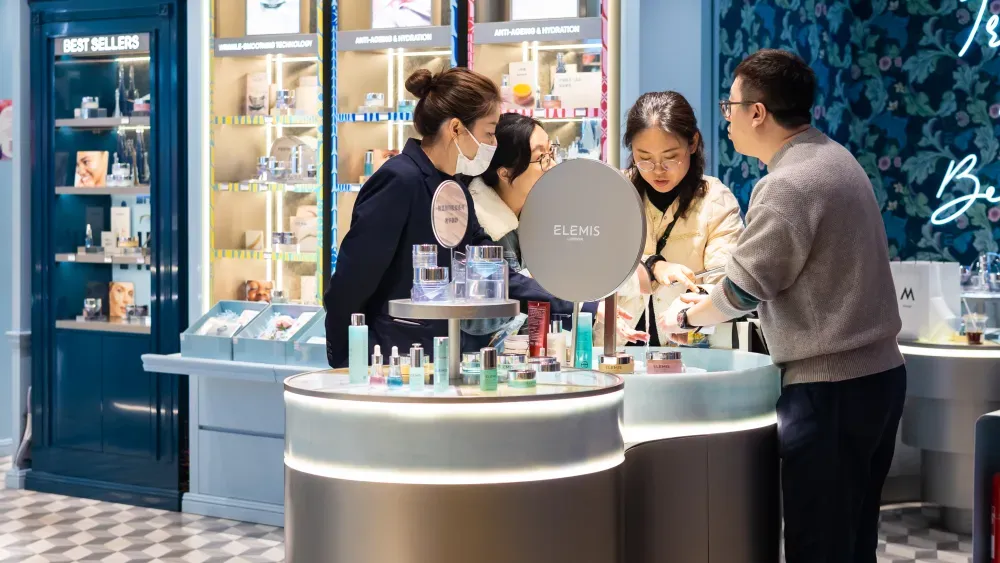
Simply exporting Western formulations usually results in failure within tropical or high-humidity environments. To succeed in the emerging beauty market, brands must master “Climate Physics” and construct local pricing structures. This involves reimagining product textures, claims, and packaging to fit local needs and preferences.
In humid climates, consumers prefer lightweight gels and watery serums because heavy creams feel too heavy and suffocating. Skincare innovation plays a critical role here, as brands must develop formulations that perform under intense environmental conditions. Sun care products also require serious adaptation — standard SPFs that leave white cast cannot serve diverse skin tones effectively.
Claims shift dramatically in these markets too. While anti-aging and retinol dominate Western shelves, brightening, anti-pollution, and oil control drive demand in emerging regions. These preferences reflect specific environmental challenges and desired outcomes.
Here’s a comparison of product adaptation standards:
| Feature | Western Standard | Emerging Market Adaptation |
| Texture | Rich, heavy occlusive creams | Ultra-lightweight gels, watery serums |
| Sun Care | Standard SPF, often leaves white cast | High SPF/PA++++, Zero white cast for diverse skin tones |
| Claims | Anti-aging, Retinol focus | Brightening, Anti-pollution, Oil control |
| Packaging | Large, premium glass bottles | Sustainable packaging via sachet economy & refillable pouches |
Pricing Strategy: Brands should adopt a Masstige strategy. Consumers in these regions want the quality and prestige of global brands, but at prices that remain affordable. Offering smaller pack sizes, refills, or different product packages that reflect varying income levels achieves this balance effectively.
Pillar 3. Market Access: Navigating Regulations in the Emerging Beauty Market
Regulatory compliance remains the final and most critical filter of market entry. Because regulations can be complex and time-consuming, brands need to plan early when entering the emerging beauty market.

Brands must liaise with local legal and regulatory professionals before beginning operations in any new country. Understanding each country’s specific requirements — ingredient limitations, labeling standards, and necessary licenses — proves essential. This proactive approach ensures smoother market entry and builds confidence with both regulators and consumers.
Here’s a roadmap for regulatory compliance:
| Country | Regulatory Body | Critical Requirement | Est. Approval Timeline |
| India | CDSCO | Local authorized agent; Import license | 6–9 Months |
| Indonesia | BPOM | Halal Certification; Local registration | 5–8 Months |
| Malaysia | NPRA | Product notification; Halal compliance | 4–7 Months |
The Halal Factor: In Southeast Asia, Halal has evolved beyond a religious requirement into a quality badge. Halal certification is increasingly viewed as a mark of ethical, transparent, and safer beauty products. This certification significantly enhances a brand’s credibility and market acceptance.
Pillar 4. Go-to-Market: Winning the Emerging Beauty Market via Digital Innovation
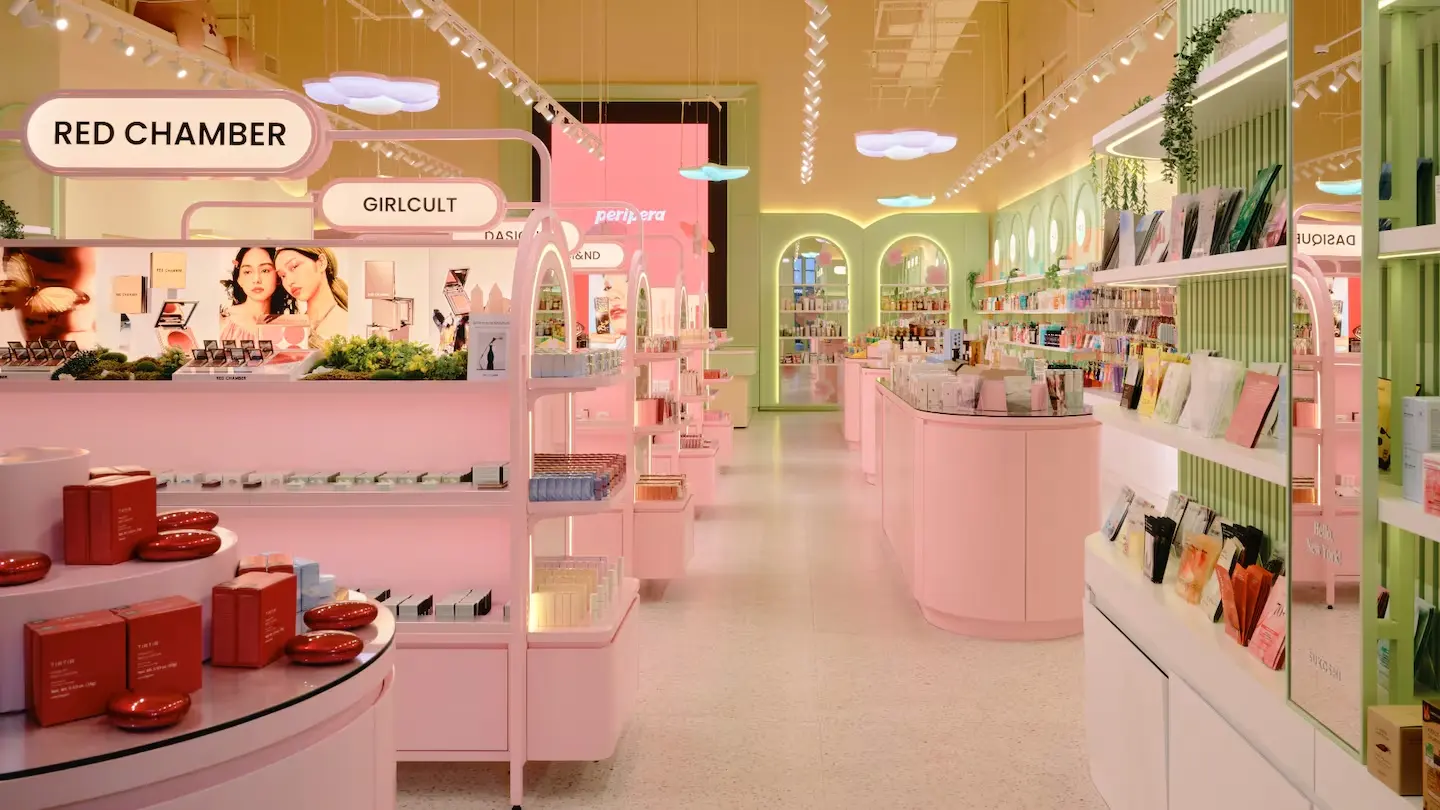
Traditional retail models are rapidly giving way to interactive Shoppertainment and peer-to-peer influence. Digital beauty platforms have become the primary battleground, demanding new approaches to reach tech-savvy consumers. Leveraging social media and e-commerce has transformed from a luxury into a necessity.
Quick Commerce (Q-Commerce): Particularly notable in India, consumers now expect beauty products within 15–30 minutes via platforms like Blinkit or Zepto. Beauty tech advancements in logistics and inventory management enable brands to meet these hyper-speed expectations. Making quick delivery a competitive advantage requires streamlined supply chains.
The KOC Strategy (Key Opinion Consumers): Moving beyond high-end Tier-1 celebrities proves brilliant for the emerging beauty market. Giving products to 500–1,000 Key Opinion Consumers with real, everyday influence builds trust and credibility in these markets. These micro-influencers connect genuinely with their followers, offering relatable and trustworthy recommendations.
Education-First Content: Brands must move beyond lifestyle-focused advertising and embrace transparency at the ingredient level. Consumers are becoming increasingly “Skintellectual,” demanding to know exact percentages of Niacinamide or Hyaluronic acid in products. Sharing detailed information about active ingredients, their effectiveness, and scientific backing builds trust and establishes brand authority.
Please refer to beauty business ideas in Vietnam for more insight.
Pillar 5. Supplemental Insights for the Emerging Beauty Market
Beyond the core pillars, subtle factors significantly impact a brand’s trajectory within these dynamic markets. Cultural sensitivities and strategic production choices remain imperative to long-term success in the emerging beauty market.
Q: How should brands handle the “Whitening” vs. “Brightening” debate?
A: Brands must avoid “Whitening” claims entirely due to negative cultural associations. The emerging beauty market has moved toward celebrating inclusive beauty and natural radiance. Messaging should focus on even skin tone, natural glow, and specific concerns such as hyperpigmentation, without suggesting skin lightening. This approach resonates powerfully with diverse consumer bases.
Q: Is local manufacturing (OEM) better than importing?
A: Local OEM (Original Equipment Manufacturer) production proves desirable for high-volume mass-market products. This approach significantly reduces import taxation, enhances supply chain agility, and enables rapid response to local demand. For luxury or niche products, a “Made in USA/Europe” label remains attractive to prestige-focused consumers. Brands must balance cost efficiencies against brand perception carefully.
The Rise of Indie Beauty Brands: Within the emerging beauty market, indie beauty brands have emerged as powerful disruptors. These smaller, agile companies leverage social media storytelling and authentic branding to carve significant market share. Their ability to adapt quickly to local trends and incorporate natural ingredients and personalized products makes them formidable competitors to established players.
CBD Skincare and Wellness Integration: In emerging markets, CBD skincare is becoming popular for its benefits to both skin and overall wellness. This trend reflects a broader shift toward wellness integration in beauty routines. By using CBD and adaptogens, brands respond to consumers’ growing interest in mind-and-body self-care routines.
Key Takeaways and Future Outlook
The emerging beauty market represents the greatest opportunity for brand expansion in the next decade. This complex terrain demands a fundamental shift — from simply selling to these markets to truly building for them. This distinction reflects a genuine dedication to understanding and fulfilling local needs.
Deep Local Empathy: Focus on regional nuances, consumer behavior patterns, and cultural sensitivities. Understanding these elements unlocks authentic connections with diverse audiences.
Product Adaptation: Adapt products according to local climate conditions and consumer preferences. Skincare innovation needs to address specific environmental challenges and use natural ingredients familiar to local markets.
Regulatory Acumen: Anticipate various regulatory requirements, including certifications like Halal. Early preparation prevents costly delays and builds market credibility.
Digital-First Engagement: Deploy Shoppertainment, KOCs, and education-first content through digital beauty platforms to build genuine relationships. Beauty tech advancements continue to reshape how consumers discover and purchase products.
Inclusive Beauty Messaging: Use positive, empowering language to address specific skin concerns while celebrating natural beauty. Inclusive beauty approaches resonate with a diverse consumer base across the Global South.
Frequently Asked Questions
Q1: What are the primary challenges brands face when entering the emerging beauty market?
A1: Complex regulatory environments, price sensitivity, localized product formulations, and adapting digital marketing strategies to specific social commerce ecosystems present the greatest challenges. Brands must also navigate cultural nuances while maintaining global brand consistency.
Q2: How important is sustainability in these emerging markets?
A2: Sustainability has become increasingly significant, particularly among digitally native younger consumers who grow more conscious of environmental impact and ethical sourcing daily. Brands championing the clean beauty trend, sustainable packaging, and responsible sourcing practices gain a meaningful competitive advantage.
Q3: What role does K-beauty still play in the emerging beauty market?
A3: K-beauty influence remains substantial, especially throughout Southeast Asia, steering skincare innovation and ingredient transparency forward. K-beauty imports continue to perform well. At the same time, local brands are using K-beauty concepts to develop products tailored to local needs.
Q4: How can brands effectively integrate wellness into their beauty offerings?
A4: Brands can integrate wellness by offering products that support overall well-being. These include CBD skincare for stress relief, tech-enabled beauty devices, and self-care routines that help balance mind and body. Men’s grooming categories also benefit from this approach, with wellness-focused formulations that support overall health. This strategy exploits growing consumer fascination with the intersection of health and beauty.
By respecting local climate conditions and navigating diverse regulatory frameworks such as Halal, brands can build a strong foundation. Embracing Shoppertainment and digital beauty platforms then allows them to unlock the enormous potential of the Global South. Personalized products, ethical sourcing, and indie beauty brands will continue shaping the emerging beauty market for years to come. Success in this space ultimately demands authentic commitment to the communities these brands serve.


Beauty Product Advertisement Script for Beauty Booth Consultations That Convert
Trade Show Staff Training: 12 Steps to 3x Booth Performance (Ultimate 2026 Guide)
Beauty Booths: Key Factors That Determine Event Success
Effective Strategies for Lead Capture at Events
How to Build a Successful QR Code Marketing Strategy
Professional Beauty Event Guide 2025–2026: Global Calendar, Tips & ROI Playbook