

Living with rosacea brings unique challenges, especially when you need to find the right skincare products. Your daily cleansing routine matters a lot. We get how hard it is to find a product that cleans your face well without making your skin angry. This guide helps you find the perfect best face wash for rosacea. It will help you build a calm, healthy complexion if you deal with this condition.
You can truly transform your skin when you have the right knowledge and product choices. Let’s discover the secrets to a soothing, protective, and effective cleansing routine. We will look at ingredients, techniques, and top picks made just for your sensitive skin.
Why Your Rosacea Face Wash is Crucial: Understanding Sensitivity & Cleansing Needs
Rosacea Skin Sensitivity: What You Need to Know
What exactly is rosacea? It’s a long-term inflammatory skin condition that mainly affects your face. You’ll often see ongoing redness, visible blood vessels, and sometimes small red bumps or pustules. Many people also feel burning or stinging, which makes everyday skincare tricky.
Understanding rosacea means you need to know about its different types. Some people mainly deal with redness, while others fight acne-like breakouts.
This condition means your skin barrier doesn’t work as well as it should. Your skin becomes more vulnerable to things that irritate it. That’s why gentleness isn’t just helpful—it’s absolutely necessary.
We need to avoid common skincare triggers that can make rosacea symptoms worse. These often include fragrance, alcohol, and harsh scrubs. When you know these common troublemakers, you can make better choices for your skin.
The Role of Gentle Cleansing in Managing Rosacea Flare-Ups
Your face wash plays a big role in managing rosacea. It needs to remove dirt, makeup, and extra oil without taking away your skin’s natural moisture. This balance keeps your skin’s natural protective barrier healthy. We want to cleanse our delicate skin, not attack it.
A gentle cleanser stops irritation and helps your skin heal. It prepares your skin to soak up soothing treatments and moisturizers better. When you use the wrong product, you can trigger a flare-up and undo all your hard work. Choosing the best face wash for rosacea means choosing peace for your skin.
Navigating Ingredients: The Good, The Bad, and The Must-Avoid
Soothing and Hydrating Ingredients to Look For
When you search for the best face wash for rosacea, focus on formulas with specific helpful ingredients. These ingredients work to calm inflammation, make your skin barrier stronger, and give you essential moisture. Let’s look at some key ones.
Niacinamide (Vitamin B3) is a powerhouse ingredient. It gives you strong anti-inflammatory benefits and makes your skin’s protective barrier stronger. This can help reduce redness and make your skin more resilient overall. This makes it a wonderful addition to any sensitive skin routine.
Ceramides are natural fats that your healthy skin needs. When your cleanser has ceramides, it helps replace these important parts. This promotes barrier repair and stops moisture loss. They’re fantastic for building resilience.
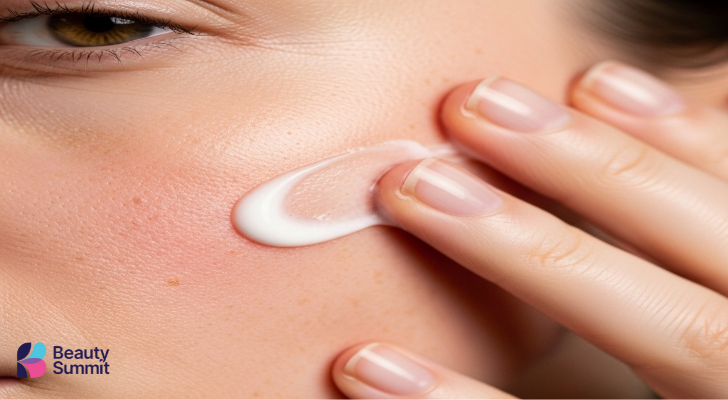
Look for moisture-grabbers like Hyaluronic Acid & Glycerin. These ingredients pull in and hold moisture from the air. They keep your skin hydrated and plump. They’re essential for a hydrating formula, especially if you have dry rosacea skin.
Colloidal Oatmeal is a tried-and-true ingredient known for its amazing calming powers. It helps soothe redness and relieve irritation. It gives immediate comfort to inflamed skin. Many people with sensitive skin swear by how well it works.
Allantoin & Bisabolol are natural compounds you often find in chamomile. They soothe discomfort and help your skin heal. These gentle ingredients are perfect for reducing how reactive your rosacea-prone skin is.
Finally, Green Tea Extract gives you powerful antioxidant protection. It also has anti-inflammatory benefits that help fight free radicals and calm irritated skin. This makes it an excellent addition for overall skin health and protection.
Ingredients to Strictly Avoid in Rosacea Cleansers
Knowing what to avoid is just as important as knowing what to look for. Some ingredients can trigger major rosacea flare-ups. When you stay away from these, you can make a huge difference in managing your condition.
Sulfates (SLS, SLES) are harsh detergents you commonly find in many foaming cleansers. They can strip your skin of its natural oils. This leads to dryness, irritation, and a damaged barrier. Always choose sulfate-free options for sensitive skin.
Fragrance, whether natural or made in a lab, is one of the most common skin irritants. It can cause redness, stinging, and itching in people with rosacea. Always choose a fragrance-free formula to lower your risk of irritation.
Alcohol (Ethanol, Isopropyl Alcohol) can be super drying and inflammatory for sensitive skin. These ingredients break down your skin’s barrier and can cause more redness and discomfort. Check labels carefully for these drying agents.
Abrasive Exfoliants, like harsh scrubs with physical beads or particles, can cause tiny tears in your delicate skin barrier. This instantly triggers irritation and inflammation, making rosacea much worse. We recommend you avoid these completely.
High-Concentration AHAs/BHAs (Alpha Hydroxy Acids/Beta Hydroxy Acids) like glycolic acid or salicylic acid can be too harsh for rosacea skin. Your skin might handle some mild amounts, but it’s safer to avoid them in cleansers. They can make redness and burning worse.
Lastly, ingredients like Menthol, Peppermint, and Eucalyptus often create a cooling or tingling feeling. However, for rosacea skin, this feeling usually means irritation rather than refreshment. Good products should not include these ingredients.
Top Dermatologist-Recommended Face Washes for Rosacea
Finding the right face wash can feel overwhelming, but dermatologists often recommend certain products. These options specifically work to meet the unique needs of sensitive skin and rosacea-prone skin. They’re typically fragrance-free, non-comedogenic, and packed with soothing ingredients.
Here’s a breakdown of some of the best face wash for rosacea options you can buy. We’ll look at why they get high praise. This information will help you make a smart decision about your next gentle cleanser.
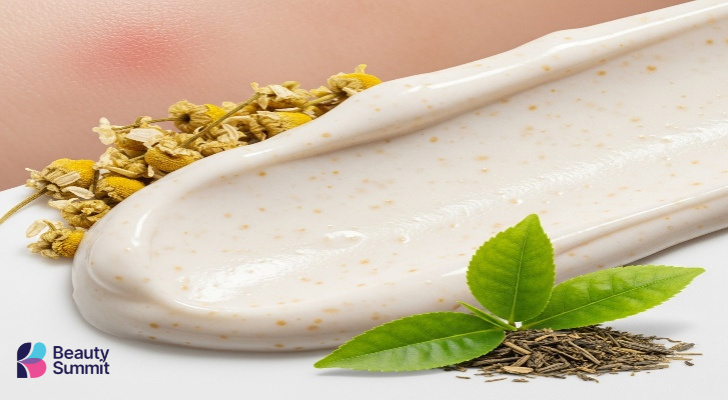
Gentle Cleansers for Sensitive Rosacea Skin
When you pick a gentle cleanser, remember that fewer ingredients often mean less irritation. Focus on formulas that support your skin barrier instead of stripping it away. People love these choices because they work so well for sensitive skin.
Here’s a comparison of some top choices that truly make a difference:
CeraVe Hydrating Facial Cleanser
- Key Ingredients/Features: Ceramides, Hyaluronic Acid, MVE Technology, Non-foaming
- Why Dermatologists Recommend It: Made with essential ceramides to restore your skin barrier, hydrating formula, non-comedogenic, fragrance-free
- Key Benefits & User Experience: Creamy texture, very gentle, leaves skin feeling clean but not stripped. Excellent for dry, sensitive skin.
La Roche-Posay Toleriane Hydrating Gentle Cleanser
- Key Ingredients/Features: Prebiotic Thermal Water, Niacinamide, Glycerin
- Why Dermatologists Recommend It: Has minimal ingredients, rich in thermal water known for soothing properties, dermatologist recommended for sensitive skin
- Key Benefits & User Experience: Ultra-gentle, non-stripping, hydrating. Ideal for daily use on extremely sensitive or reactive skin.
Vanicream Gentle Facial Cleanser
- Key Ingredients/Features: Free of dyes, fragrance, parabens, sulfates, formaldehyde, and other common irritants
- Why Dermatologists Recommend It: Hypoallergenic, made specifically for people with sensitive skin and common chemical allergies
- Key Benefits & User Experience: Foaming yet gentle, removes makeup and dirt effectively. Ideal for extreme sensitivity and allergy-prone skin.
Cetaphil Gentle Skin Cleanser
- Key Ingredients/Features: Glycerin, Niacinamide, Panthenol, pH-balanced, Soap-free
- Why Dermatologists Recommend It: A classic dermatologist favorite for sensitive skin, keeps your skin’s natural pH, oil-free, and non-comedogenic
- Key Benefits & User Experience: Mild lather, rinses easily, good for daily use. Cleanses without irritation or over-drying.
Aveeno Calm + Restore Oat Cleanser
- Key Ingredients/Features: Calming Feverfew, Nourishing Oat, Hydrating Glycerin
- Why Dermatologists Recommend It: Colloidal oatmeal for soothing, helps reduce redness and irritation, and is fragrance-free
- Key Benefits & User Experience: Jelly texture, instantly calming when you apply it. Leaves skin feeling soft and clean, not tight.
Each of these options focuses on barrier health and reduces irritation. When you choose the best face wash for rosacea, remember your personal skin type and specific triggers. What works for one person might not be perfect for another, so watch your skin carefully.
Medicated Cleansers: When and How to Use (Consult Your Dermatologist)
Sometimes, rosacea symptoms need a more targeted approach beyond gentle, non-medicated cleansers. Medicated face washes can work really well, but you need to use them carefully and, ideally, get professional guidance. Always talk to your dermatologist before you add these to your routine.
Sulfur-based cleansers often help with pustular rosacea. Sulfur has anti-inflammatory and antibacterial properties. These can help reduce the bumps and redness that come with this type of rosacea. They work to calm active breakouts gently.
Azelaic Acid cleansers are another powerful option. Azelaic acid reduces redness and bumps. It also gives you mild exfoliating benefits. Doctors often prescribe it for rosacea, and it can really improve your skin texture and tone.
Important things to know about medicated cleansers include that they might dry out your skin, and you need to patch test them. These ingredients can be stronger, so always start slowly and watch how your skin reacts. Professional guidance makes sure you use them safely and effectively.
For more insight, see gentle cleanser for rosacea | Bioderma UV protection | Purito Daily SPF | silicone scar treatment | hydrating facial toner | facial waxing strips | natural matte bronzer
Your Optimal Cleansing Ritual for Rosacea Skin
Beyond the product itself, how you cleanse your face matters just as much. A proper cleansing technique can really minimize irritation and maximize the benefits of your chosen face wash. We need to treat our skin with the utmost care.
Step-by-Step Gentle Cleansing Technique
Use Lukewarm Water Only: Water that’s too hot or too cold can trigger rosacea flare-ups. Lukewarm water is gentle and cleans effectively without shocking your skin. It helps open pores just enough without causing irritation.
Apply Product Gently: Put a small, pea-sized amount of your best face wash for rosacea into your palm. Use your fingertips to apply it to your face with light, circular motions. Don’t scrub harshly or pull on your skin.
Keep it Brief: Your cleansing routine should be quick and efficient. Cleanse for about 30-60 seconds to remove dirt effectively without over-stripping your skin. Washing for too long can lead to dryness.
Rinse Thoroughly: Make sure no cleanser stays on your skin. Use lukewarm water to rinse thoroughly. Make sure every trace of product is gone. Leftover cleanser can cause irritation.
Pat Dry with a Soft Towel: Never rub your face dry. Gently pat your skin with a clean, soft towel. This reduces friction and helps keep your delicate skin barrier intact.
Apply Moisturizer Immediately: Within minutes of patting your face dry, put on your rosacea-friendly moisturizer. This locks in hydration while your skin is still slightly damp. This boosts how well it works.
Avoiding Common Cleansing Mistakes
Even with the best face wash for rosacea, certain habits can mess up your efforts. When you’re mindful of these common mistakes, you can keep a calm and healthy complexion. We want to prevent any unnecessary irritation.
Don’t use rough tools like cleansing brushes or harsh sponges. While they might feel like they’re giving you a deeper clean, they can actually irritate and damage rosacea-prone skin. Your fingertips are usually all you need for effective cleansing.
Over-washing your face—more than twice a day or when your skin doesn’t need it—can strip natural oils. This leads to dryness and increased sensitivity. Listen to your skin and cleanse only when you need to, typically morning and evening.
Skipping your post-cleanse moisturizer is another big mistake. Cleansing can still remove some moisture, and putting on hydration right away helps replace it. A good moisturizer is crucial for barrier support and preventing dryness. The American Academy of Dermatology Association stresses how important gentle cleansing and moisturizing are.
Finally, never ignore how your skin reacts. If a product causes redness, stinging, or increased discomfort, it’s a warning sign. Stop using it immediately. Your skin is trying to tell you something, and we need to listen.
Beyond the Wash: Complementary Rosacea Care & FAQs
Your face wash is a key player in managing rosacea, but a complete approach ensures the best care. Smart decisions, combined with a consistent routine, lead to the best results. Let’s look at other important parts of rosacea management.
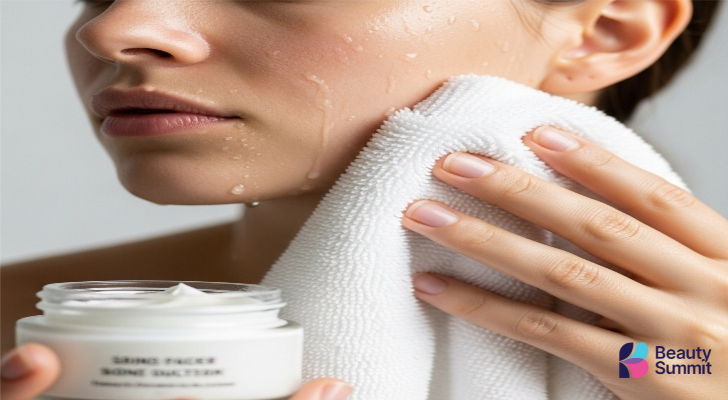
Essential Complementary Skincare Steps
A good skincare routine goes beyond just cleansing. These additional steps are crucial for supporting your skin’s health and keeping rosacea under control. They work together with your gentle cleanser.
Consistent Moisturizing is absolutely critical for barrier support. A good moisturizer helps replace lost hydration and creates a protective layer. Always choose a fragrance-free, non-comedogenic formula.
Daily Sun Protection is a must for people with rosacea. UV rays are a major trigger for flare-ups and redness. Use a broad-spectrum sunscreen with SPF 30 or higher every single day, even when you’re indoors. The National Rosacea Society always highlights sun exposure as a leading trigger.
Finally, Prescription Treatments like serums or creams from your dermatologist might be necessary. These can target specific symptoms like ongoing redness or pustules more effectively than over-the-counter products. Always follow your doctor’s advice.
Frequently Asked Questions for Rosacea Sufferers
Many common questions come up when you deal with rosacea. We’ve gathered some of the most frequent ones to help clarify your understanding and improve your routine. Knowledge truly is power when you manage sensitive skin.
What is the “skin barrier,” and why is it so important for rosacea?
The skin barrier is the outermost layer of your skin. It’s made of fats and skin cells. It acts like a protective wall, keeping irritants out and moisture in.
For people with rosacea, this barrier often doesn’t work well. This makes skin more likely to react to triggers and lose moisture. A healthy barrier reduces sensitivity and redness.
Can diet or stress really make my rosacea worse, even with the best face wash?
Yes, absolutely. Diet and stress are well-known internal triggers for rosacea flare-ups.
While a good face wash helps manage outside factors, eating spicy foods, drinking alcohol, or having high stress can still make symptoms worse. It’s important to manage both internal and external triggers for the best results.
Which types of makeup removers are safe to use with rosacea before cleansing?
Look for gentle, fragrance-free, and oil-free makeup removers. Micellar water made for sensitive skin is an excellent choice.
You can also use gentle cleansing oils that mix with water and rinse cleanly. Always avoid harsh wipes that make you rub your skin.
How often should I cleanse my face if I have very dry rosacea versus oily rosacea?
Usually, cleansing twice a day (morning and evening) is enough for most rosacea types. If you have very dry rosacea, you might consider only cleansing once in the evening. Rinse with plain water in the morning.
For oily rosacea, cleansing twice daily with a gentle, oil-free formula usually helps. Listen to what your skin needs.
Is it normal for my skin to tingle when I use a new rosacea-friendly product?
No, it’s not normal. A tingling sensation often means irritation, especially for rosacea-prone skin.
While some active ingredients might cause a very mild, brief sensation, anything more than that suggests the product isn’t right for you. Stop using it immediately if you feel ongoing tingling, burning, or redness.
When to Seek Professional Dermatological Advice
Sometimes, even with your best efforts, rosacea symptoms stay the same or get worse. Knowing when to talk to a professional is crucial for effective management. Your dermatologist can offer advanced solutions and personalized advice.
Get professional advice if your current treatments don’t work or if you notice new symptoms. This includes ongoing redness, bumps, or discomfort that doesn’t improve. Your dermatologist can diagnose specific issues and create a treatment plan just for you.
They can also discuss advanced treatment options, like prescription medications or in-office procedures. These may include laser therapy or intense pulsed light (IPL) treatments. Working with a dermatologist makes sure you get the most appropriate and effective care.
Embrace a Soothed Complexion: Your Journey to Rosacea Relief Starts Here
Navigating the world of skincare with rosacea can feel tough, but it doesn’t have to be. When you understand your skin’s unique needs and make informed choices, you can achieve a calmer, more comfortable complexion. Choosing the best face wash for rosacea is the first step in this journey.
Remember to focus on gentle, fragrance-free, and soothing ingredients in your cleanser. Combine this with a thorough cleansing routine and complementary skincare steps, such as moisturizing and sun protection. With consistency and patience, you’ll be well on your way to managing your rosacea effectively. Embrace these changes, and let your skin thrive.


How to Apply Blush Like a Pro: The Complete Guide to Placement and Formulas
7 Best Picks for Bioderma Sunscreen: Safe, Gentle Protection
How to Choose A Foundation Shade: A Step-by-Step Guide
Sun Damage After Laser Hair Removal: A Clinical Guide to Identifying, Treating, and Reversing Skin Damage
7 Fascinating Facts About Chin Dimples: Causes & Treatments
Eyeliner Tips: 7 Pro Secrets for a Flawless, Smudge-Proof Look