

A trade show is a massive opportunity for your brand. An effective strategy for sample distribution at trade shows can also give you a large-scale boost on your investment.
You are interested in creating an everlasting impression on potential customers. This handbook will help you perfect your strategy. Get to know how to make each sample a valuable acquaintance.
Common Challenges in Sample Distribution At Trade Shows
It is easy to give away samples. Nevertheless, many challenges can curtail your success. The initial step to designing a good strategy for sample distribution at trade shows is to understand these hurdles.
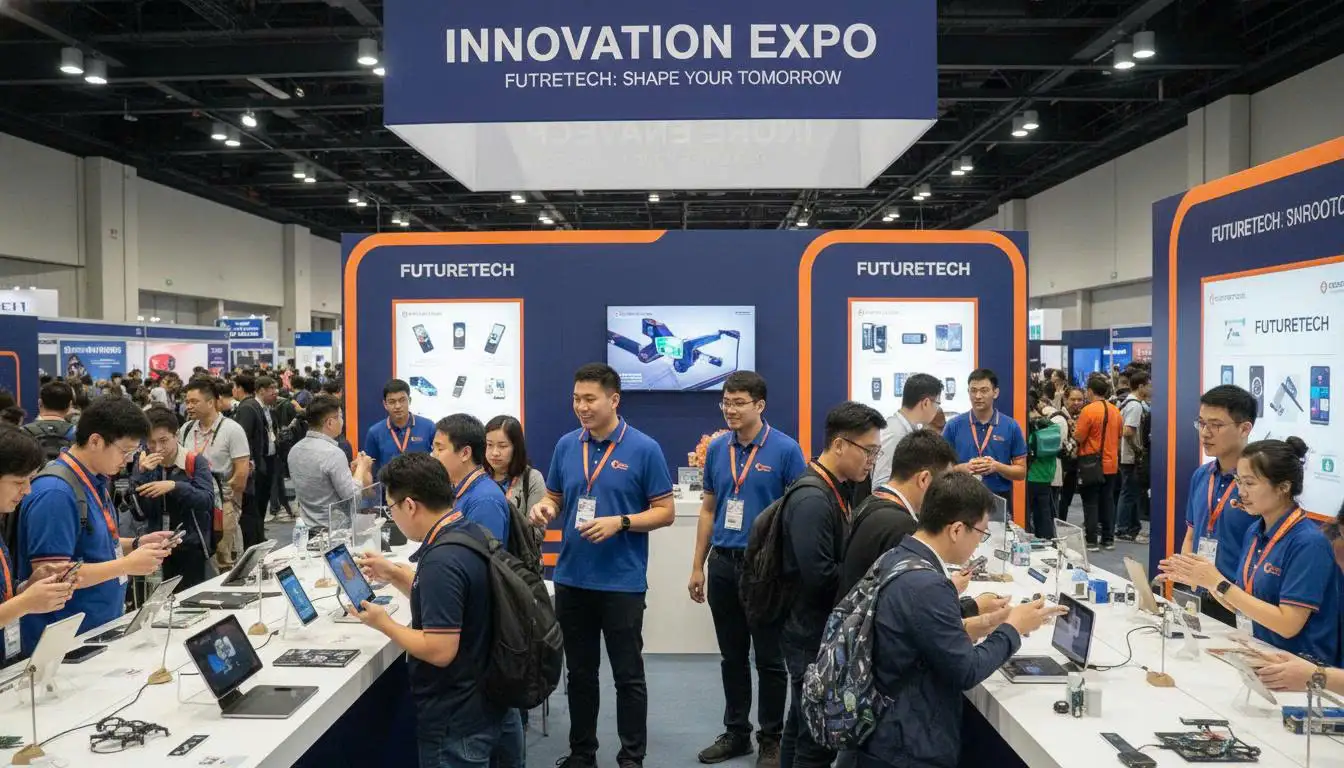
Low engagement despite high traffic
Your booth can have a great number of visitors. But are they really sampling your product samples?
In many cases, visitors simply take a giveaway and go. You want to arouse real interest. Make a snatch into a conversation.
Numerous booths have high traffic but low conversion rates. Visitors pass by, grab a sample without pausing, and proceed with their shopping. This gives the perception of success and little business value. The problem is to convert passive sample collection to active brand interest.
Wasting budget on ineffective sample strategies
Free samples are a big expenditure. Prices of merchandise, transportation, and manpower are fast accumulated.
Giving out samples randomly may ruin your budget. The strategy must target the right people. Make sure that each sample will be a good investment.
Without proper planning, companies may order too many samples or choose items that their audience does not like. Providing high-quality samples to unqualified leads wastes resources. Budgetary constraints become even tighter when samples fail to generate leads or sales conversations.
Difficulty tracking ROI from sample giveaways
The effect of samples can be difficult to quantify. What makes you think a giveaway will result in a subsequent sale? There is a general difficulty in relating sample distribution at trade shows to tangible outcomes. Successful tracking is essential to show success.
In the traditional sample distribution at trade shows, there is no accountability. Without tracking, you won’t know which samples worked, who became customers, or how much each acquisition really cost. This renders it almost impossible to justify sample budgets or better future campaigns.
Understanding Attendee Behavior and Preferences
You must know your audience in order to make the most out of your samples. Have an idea of who your attendees are and their expectations of trade show experiences.
Identifying high-potential leads
Not all the passersby of your booth are the best customers. It is important to concentrate your sampling activities on high-potential leads. Create speedy qualification procedures. This will conserve resources, and it will be more focused on what you are trying to do.
Educate your staff to pose the qualifying questions first and then give out the premium samples. Find the attendees that fit your buyer profile, i.e., job titles, industries, or company sizes. Organizations use badge scanning technology to differentiate decision-makers from casual browsers. Keep your best samples for the prospects with real intentions to purchase.
Timing and placement for maximum exposure
It is really important to know what time and where your sample distribution at trade shows is. Strategic placement helps people notice your products.
Consider your booth’s layout. Consider the flow of attendants. Locate natural stops to provide your samples.
The peak traffic times are not constant during the day or on various days of the event. Mornings attract serious buyers, while afternoons have more people but fewer ready to buy. Locate your sampling station in a manner that attracts people, but does not obstruct traffic. Ensure that there are clear sight lines to enable the attendees to see other people interacting with your samples.
Personalization expectations at trade shows
Visitors prefer a personalized experience. Unbranded samples do not make much of an impact. Is it possible to provide options or to personalize the sampling process? The individual approach makes it a more memorable and effective moment.
Even in big events, modern consumers demand personal interactions. Give sample options depending on the needs or preferences of the attendees.
Inquire about their problems and suggest certain examples that will deal with those pain points. Take their name when taken by badge scans. Even minor personalization is perceived as much more valuable and involving.
Strategies for Effective Sample Distribution At Trade Shows
As soon as you realize the problems and the audience, you will be able to adopt effective solutions. These tips will ensure you maximize your samples. They are engagement-oriented, efficiency-oriented, and lead-oriented.
Pre-event promotion to drive booth traffic
You should create a buzz even before the trade show. Market your special samples via social media. Send email messages to registered attendees.
Make the people aware of what is exciting they can get at your booth. An effective product sampling plan begins way before the opening doors.
Develop a feeling of exclusivity and urgency in your pre-event message. Tease special limited samples available only to first visitors or those who make appointments. Contact event hashtags and geotargeting to contact attendees who are actively preparing their show schedules. Consider the provision of a VIP sample package to pre-registered visitors to ensure that they visit the booth.
Optimizing sample types and quantities
Select samples closely that show the quality and value of your brand. Minuscule, compact, and actually useful things are the best. Calculate the number of samples for the number of people you expect at your booth.
This will guarantee that you are not short of them or that you end up with excess. Following the best practices of exhibition sampling is a way of maximizing your budget.
Use samples, not branded tchotchies, but an actual product experience. Consider sample sizes that allow recipients to form an opinion over time through repeated use. Measure the amounts depending on how many qualified leads you are planning to get, not the amount of booth traffic. Prepare a buffer for unexpected demand and avoid over-ordering items you will not use.
Interactive and experience-driven sampling
Do not just offer a handout of products. Make an experience out of your samples. Install live demonstrations or mini workshops. Request the visitors to experience the product. This is the best interactive method to use in brand activation by giving out.
This approach leaves visitors with a lasting impression, making it an effective experiential marketing tool for conventions.
Turn your booth into an experience center, and not a distribution point. Involve participants in producing, testing, or tailoring the products. Take use games, challenges, or contests which involve product interaction.
Produce Instagram-ready content that guests desire to share. The more interesting the experience, the better the brand memory and quality of the lead.
Tools and Technology to Enhance Distribution
The use of modern technology can make your sample distribution at trade shows very effective. The right tools help you collect leads, track engagement, and make decisions in real time.
Lead capture systems integration
Combine your sample distribution at trade shows and your lead capture process. Use QR codes on your samples. Refer to a digital form to get more information.
It is important to gather contact information at the point of contact. This goes a long way in enhancing your product samples’ lead generation.
Install mobile applications or tablets to enable immediate lead capture before or after sample allocation. Badge scanners have the ability to automatically import attendee details into your CRM system. Make sample distribution at trade shows simple by collecting only basic information, like an email or phone number. The simpler it is, the greater the capture rate.
Tracking sample engagement and conversions
Install mechanisms that monitor post-delivery of samples. Discounts or surveys should have special codes.
Observation of the number of samples resulting in visits to the websites or subsequent enquiries. Such information will assist you in gauging actual interest. It depicts the actual effect after the first encounter.
Issue different sample types or distribution times with different tracking codes. Track online interactions by using QR codes that direct to certain landing pages.
Conduct after-the-event surveys on how the recipients heard about you. Monitor the redemption of sample-related offers. Alignment of your CRM to the closed deals attribute at trade show sample interactions.
Data-driven adjustments during the event
Monitor your inventory samples and response. Keep track of the most popular samples. Know what interactions produce the best leads. Get prepared to change the strategy on the fly.
When one strategy proves to be more effective, then push it to the limit in order to be as efficient as possible.
Test your lead capture dashboard several times a day throughout the event. Give priority to samples that produce better-quality leads. When traffic patterns change, adapt staffing levels and sample placement.
Conduct team debriefs daily to present insights and polish the plans and strategies of the following day. Agile changes can enhance the overall performance of events.
Avoiding Common Mistakes in Sample Distribution At Trade Shows
Despite the best plans, some pitfalls may bring your plans to a halt. The knowledge of these pitfalls can assist you in avoiding them and in having an efficient sampling program.
Over-distribution and brand dilution
The unqualified distribution of too many samples may trivialize your brand. It is also likely to drain your wallet. Concentrate on quality interactions and not quantity.
Always be choosy about who gets your best samples. Such a cautious measure is essential to maximize booth samples ROI.
When people can obtain samples too easily, the samples lose their perceived value. Guests can snatch several and not necessarily taste them, or just share with workmates. This is a waste of time, and it puts your brand in a situation of being in need of attention. Rather, sample them to feel special and gain by involvement or merit.
Ignoring attendee segmentation
It is an opportunity lost in treating all the attendees equally. Your audience is diverse. The various prospects might have different interests in various products.
Divide and conquer your audience and offer samples accordingly. This focused event product sales make your work more effective.
Develop various sample levels according to attendants groups. Offer VIP clients high-quality, full-size products while providing new customers with starter samples. Vertical-specific samples help address pain points unique to each industry. Job role is also important; what one CEO likes will not be what a procurement manager likes.
Failing to follow up after the event
The real worth of a sample is what follows. The job does not stop when the trade show is over. Immediately follow up with all your qualified leads. Cite their experience with your communication.
This transforms original interest into actual business prospects. Firm follow-up is essential in the determination of sample distribution success.
Most trade show leads remain cold because teams do not follow up on them within the next 48 hours. Make your follow-up campaigns ready by the time the event is over. Divide your outreach according to the type of engagement and the received sample.
Make messages personal through the mentioning of particular conversations or product interests. Add effective calls-to-action that can take your prospects through your sales funnel.
Want to see more tips on event management? See Effective Strategies for Lead Capture at Events
Measuring Success and ROI
An evaluation of your efforts is essential in the process of constant improvement. You require precise measures to know how you are returning on your investment. This information will inform your future trade show arrangements.
Metrics that matter for trade show samples
Do not simply count the number of samples administered. Prioritize qualified leads created. Monitor after-sales conversions of samples.
Think of brand recall and mentioning social media. The metrics provide an actual image of the effectiveness of your free sample marketing at expos.
Such key performance indicators ought to be: samples to qualified leads (not gross number of samples), rate of leads to opportunities, cost of a qualified lead, sample to sale conversion rate, and size of average deal by sample receivers. Measures of brand awareness such as social media activity, site traffic surges, and post-event surveys, should also be monitored.
Calculating cost per qualified lead
This is a powerful metric. Division of the total sample budget by the quantity of qualified leads obtained. This provides you with a clear cost per lead.
Compare this number with other marketing channels. It puts into focus how effective and valuable your sampling would be. This is extremely beneficial in terms of trade show sample budgeting.
Add up all the expenses in your calculation: sample manufacturing, delivery, warehousing, time of booth workers, lead capture technology, and advertising. Next, sort by only qualified leads- those that fit your ideal customer profile. This shows your actual acquisition price and can be compared productively with digital ads, content marketing, or other sources of leads.
Adjusting future campaigns based on results
Take advantage of the information you gather to perfect your strategy. Determine what was effective and what was not. Enhance your methods of sample selection and distribution.
Improve your follow-up on the following event. This constant adaptation results in more successful trade show sampling campaigns.
Do a vigorous post-event analysis within two weeks when the insights are still fresh. Compare the performance of various sample types, booth location, and personnel. Determine trends where strategies provided the best quality leads.
Learn lessons and develop a plan of action for the next incident. Develop a body of knowledge that will be enhanced after every trade show.
Actionable Tips for Immediate Implementation
Are you willing to execute these strategies? These are some of the real strategies that you can adopt immediately, irrespective of the size of your booth or budget.
Quick-win tactics for small booths
You can achieve success even in a very crowded space. Select one or two high-value samples. Exercise your personnel to interact with visitors.
Simple and effective lead capture system. Count every interaction.
In the case of small booths, quality wins over quantity in all aspects. Select samples that really reflect your special value proposal. Assign one of the team members to the specific task of distributing samples, and the other team members to have more in-depth conversations.
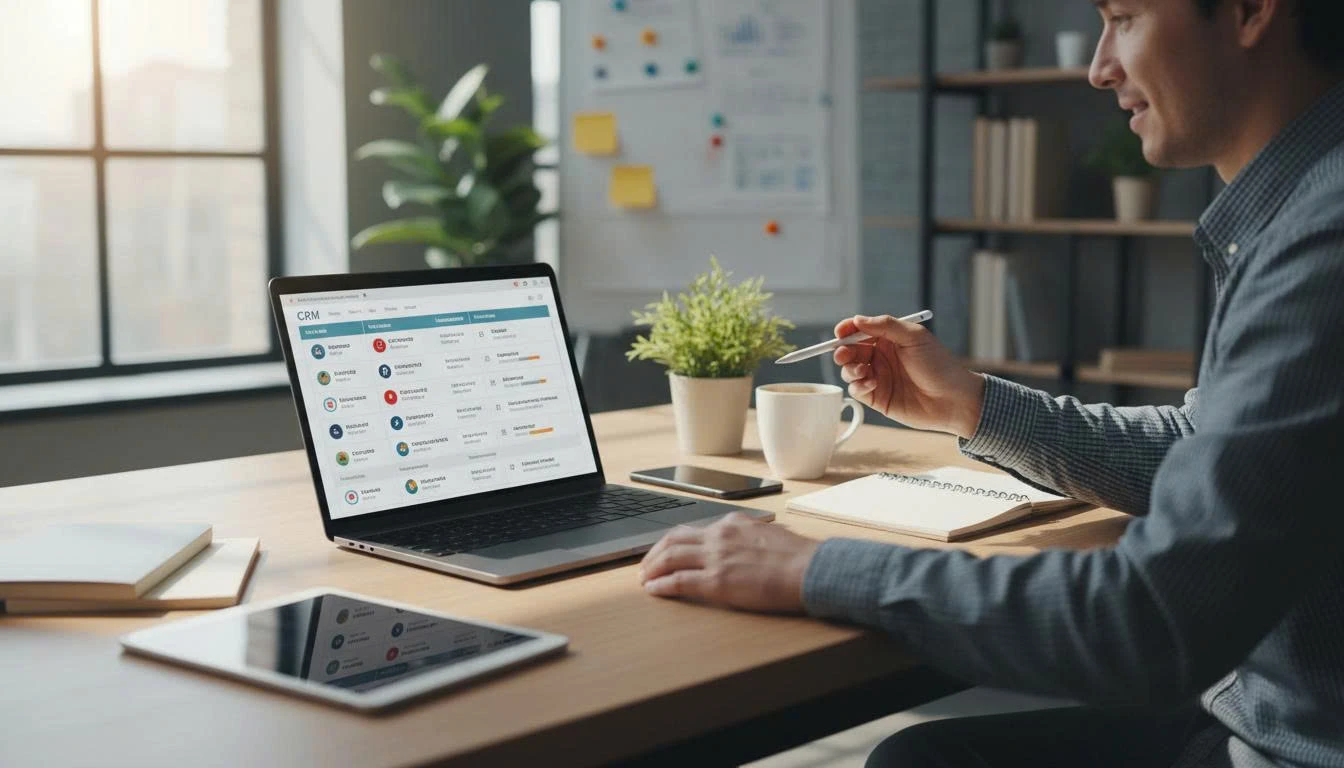
Simple iPad-based lead capture system instead of complex technology. Make a “VIP sample” level of your hottest prospects to get the best bang for your minimum inventory.
Scaling strategies for large events
In larger exhibitions, you could consider splitting up your booth into sampling areas. Use technology to capture leads effectively and manage inventory. Establish effective trade show sampling logistics. This is to provide you with the ability to handle high volumes of samples.
Develop various engagement stations that have varying sample experiences. Implement on-time inventory monitoring to prevent shortages of the hot products. Avoid bottlenecks through the use of multiple lead capture devices that have cloud syncing.
Assign team roles in particular: greeters, qualifiers, demonstrators, and lead capturers. Introduce shift rotations to sustain high energy during extended event days.
Creating a repeatable plan for sample distribution at trade shows
Record your effective procedures. Establish some guidelines for your team. This involves staff training on how to give out products as gifts.
A replicate plan provides uniformity and economy. It enables you to repeat your success in all trade shows.
Write a detailed playbook to include preparation before the event, event execution, and follow-up after the event. Provide scripts on the qualifying conversations, sample handling procedures, and troubleshooting of frequent problems.
Develop booth setup and booth breakdown checklists. Prepare templates for all promotional and follow-up messages. Revise the playbook following every event with new knowledge, producing a living document that keeps on getting better.
Frequently Asked Questions
Q1: How do I choose the right sample for my trade show?
A1: Choose samples reflecting on the quality of your brand and address a widespread customer issue. Look at how portable they are, how useful they are, and how valuable they are. The sample must be a preview of your main product or service.
Q2: What’s the best way to track leads from sample distribution at trade shows?
A2: Fill out digital lead capture forms or QR codes that are connected to a landing page. Ask the attendees to leave their contact details in order to receive the sample. You may also use your own unique code of samples that can be used to track the redemption or purchases after the event.
Q3: How much budget should I allocate for samples?
A3: Your budget is based on your objectives, the price of your samples, and anticipated attendance. Begin by estimating an achievable cost per lead objective. Thereafter, determine the number of qualified leads you want to obtain. This is to enable you to make a realistic budget.
Conclusion
There is more than free stuff in the optimization of sample distribution at trade shows. It’s a strategic process. It is a matter of knowing who you are addressing, planning, and executing.
With these guidelines, you will be able to change your sample giveaways. Make them a potent lead generating, brand building and quantifiable ROI tool. Get your next trade show to be effective.


How to Sell at a Trade Show: The Ultimate Strategy Guide for Beauty Brands
How to Build a Successful QR Code Marketing Strategy
How to Build A Cosmetic Brand Logo Design That Stands Out
Vietnam Business Opportunities in 2026: Comprehensive Guide for Investors
Beauty Booths: Key Factors That Determine Event Success
Beauty Booth Conversion Strategy: 35% Sales Lift