

Do you have the will to turn your presence at the trade show into a strong revenue generator? It needs a solid exhibition sales strategy to be successful.
This guide offers a professional data-driven framework. It assists you in making the best of your physical presence in any given event. You will learn how to turn visits to the booth into valuable prospects.
Most of the businesses visit exhibitions, and very few of them know how to make sales on the floor. There are five important steps, which we will describe. These actions include pre-show preparation to the follow up on the event. Prepare to generate more leads and customer interest.
In the first place, we will discuss the process of establishing SMART goals and KPIs – the basis of any successful exhibition sales strategy.
1. Set Clear Goals & KPIs for Exhibition Sales
Exhibitors fail 78 per cent because they do not set clear targets before they go into the tactics. SMART goals include the following criteria: Specific, Measurable, Achievable, Relevant, Time-bound.
Core Exhibition Sales KPIs:
| KPI | Industry Avg | High-Performer | Measurement Tool |
| Booth Stop Rate | 5% | 12-15% | Foot traffic sensors |
| Visitor-to-Lead | 10% | 30-40% | Lead capture app |
| Qualified Leads (A/B) | 15% visitors | 25-30% | BANT scoring |
| Pre-booked Meetings | 10-20 | 50+ | Calendar tool |
| Pipeline Generated | $50K/event | $200K+ | CRM opportunity value |
| ROI | Break-even | 4x spend | (Revenue-Cost)/Cost |
Pro Tip: Benchmark against YOUR history. Last event: 100 leads → 20 qualified → 5 deals? Target: 150 leads → 40 qualified → 10 deals.
2. Step 1: Pre-Show Outreach and Appointment Foundation
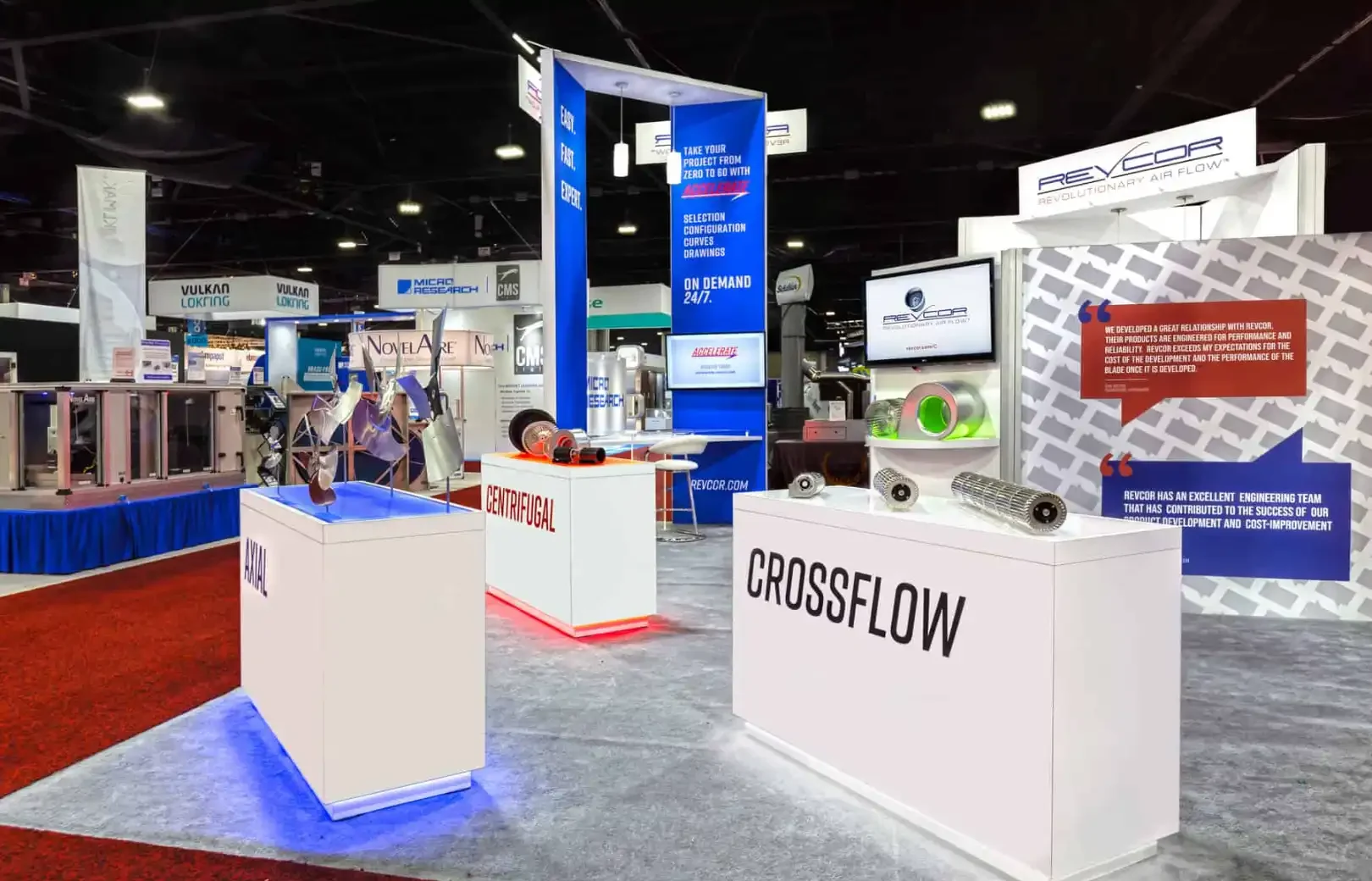
The sales strategy to win an exhibition starts a few weeks before the event. Statistics indicate that three-quarters of high-value visitors to the booth do it in advance. People should exploit this behavior at a young age.
Begin your outreach 4-6 weeks in advance to book meaningful meetings. A strong exhibition sales strategy always includes pre-show planning.
Going after the Must-Wins: Dividing your current customer relationship management (CRM) contacts. Focus on “Prospects” and “VIPs.”
Use a multi-touch sequence. Email, direct mail, and LinkedIn. Provide in-house special perks to attract them.
The 70% Calendar Rule: Your salespeople should target big. They aim at getting 70 percent of their floor time occupied with pre-qualified appointments. This will guarantee effective time and resource usage in the event.
The Hook of the VIP Experience: Inviting people to come to visit. Instead, provide something different.
Ask them to a private 15-minute Strategy Audit. Or, a “First-Look Product Reveal” maybe. This creates a sense of value and distinction.
Full Pre-Show Marketing Playbook (Week -4 -1):
- Week -4 (Awareness): “Invitation: Exclusive preview of [Product] at [Event]” – Teaser video + pain-point.
- Week -2 (Interest): “HE sample 15-Min Strategy Audit – Only 10 places remaining” – Calendly link.
- Week -1 (Urgency): “Last Chance: Booth H12 Pre-Book Before Sold Out” – Social proof statistics.
- LinkedIn/Meta Ads: Sales Director + [Industry], carousel booth render + Swipe to Book.
3. Step 2: Creating “Stopping Power” and High-Conversion Booth Layouts
You only have between 3 and 5 seconds to attract the attention of a passerby. The physical booth environment is important. It is the second block of a successful exhibition sales strategy. Make your room in a way that visitors are naturally attracted to it.
The 10-Feet Visual Rule: You have to have a clear core value proposition. What is your particular pain point that you address? Make sure that this message is readable and can be understood at a distance of 10 feet. Here, visual merchandising plays a major role.
Removing Communication Barriers: Do not have tables right facing your booth. An “Open-Flow” layout is better. This design, according to statistics, can enhance the foot traffic and involvement by up to 20 percent. It makes your room friendlier when you implement an effective exhibition sales strategy.
Demo-Centric Design: Position interactive product demonstrations. Install hot spots at the borders of your booth. This attracts lots of people. It also provides your employees with a definite motivation to meet visitors.
4. Step 3: Mastering “Floor-Craft” and Personnel Performance
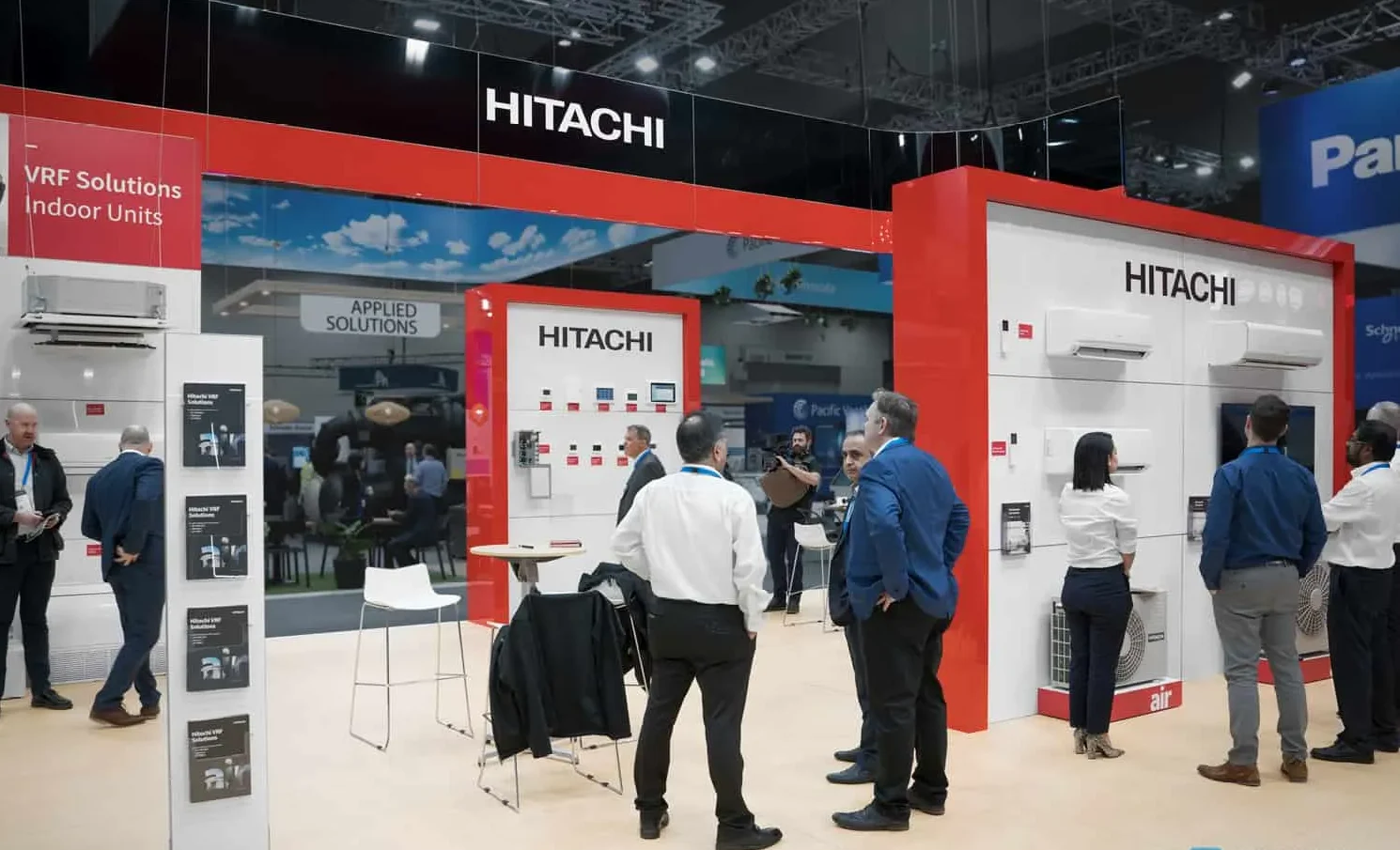
It is not “Farmers,” but “Hunters” that bring high revenue. This step focuses on your team’s execution. Is this conversation helpful? It is concerned with the performance of your staffin relation to your sales strategy in an exhibition. Success depends on proper training.
Scripts that actually work in the real world: Sales Scripts That Sell (Copy-paste Ready):
1️⃣ OPENING (Sword): “Hello, I noticed that you work in [industry] – what are you doing with [lead decay/sales cycle] at the moment?
2️⃣ 30-SEC PITCH: “We reduce trade show lead decay by half with Speed-to-Lead. Read your LinkedIn about [event] – brief demonstration?
3️⃣ OBJECTION: “Not now?” – “Fair. Can I book 10-min next week? We increased the ROI of [similar brand] 4x.
4️⃣ BANT CLOSE: “Great. Who brings up more in this dialogue? Budget/timeline?”
Team Roles Matrix:
| Role | Focus | Training Priority |
| Hunter | Engage passersby | Opening questions |
| Demo Specialist | Product showcase | Technical depth |
| Note Taker | Capture/score leads | CRM + BANT |
| Greeter | Welcome + quick qualify | Smile + 30-sec filter |
The Sword and Shield Technique:
Active Engagement The Sword: The staff has to employ proactive opening questions. Question: “What are you currently doing about [Problem X]? Passive greetings such as, Can I help you? should be avoided.
The Shield (Strategic Disengagement): Educate employees to jump out of vehicles at once when they see tire-kickers or swag seekers. Courteously withdraw in 3 minutes in case they are not decision-makers. This liberates employees from qualified leads. Mastering your exhibition sales strategy means knowing when to engage and disengage.
The 3-Minute BANT Certification: Sieve all visitors very quickly. Certify them on Budget, Authority, Need, and Timeline (BANT). In case they do not fit your target audience profile, then give them a digital brochure and leave. Work on high-potential leads.
5. Step 4: Incentivizing On-Site Commitment and Urgency
The faster you can convert interest into commitment, the more you shall maximize revenue. The activity and enthusiasm of the prospect are maximum during the event. Get the sense of urgency to make sales or sign the next steps. This is a critical component of any exhibition sales strategy.
The “Show-Only” Exclusive Deal: Design an irresistible value-add. Provide a 15 percent discount or a free implementation package. Maybe an extended warranty. Limit this offer to commitments that are made during the event.
Getting Micro-Commitments: It may not be possible to have a full contract on the floor. Instead, use Low-Friction closes. Request a discovery call by hard date invitation. Directly book it on the mobile phone of the prospect.
Real-Time Lead Scoring: Digital lead capture applications. Tag takes place immediately, as A (Hot), B (Warm), or C (Cold). This will rule out any opportunity of missing a high-value opportunity. It does not have good leads buried in the post-show pile.
6. Step 5: Implementing the “Speed-to-Lead” Follow-Up System
Only 80 percent of leads generated at the trade show are not effectively followed up on. To ensure that you are maximizing your event promotion and sales funnel efforts, you have to be faster. Post-show process is essential, just like your presence onsite. A comprehensive exhibition sales strategy includes rapid follow-up.
The 24 Hour Digital Touchpoint: Sync booth scans your CRM every day. Send each hot lead a personalized “Great meeting you” email or text message. Send it even before the show day is over.
Multi-Channel Momentum: Implement a 5-touch sequence over 14 days. This may involve LinkedIn contacts, personalized video messages, and phone calls. Continue the discussion through the various channels.
Determining Total Strategy ROI: Measuring your performance using a standard formula. This is to gauge the success of your sales approach tothe exhibition. Divide: (Revenue Generated- Total Spend)/ Total Spend = ROI%.
7. Tools & Tech Stack for Exhibition Success
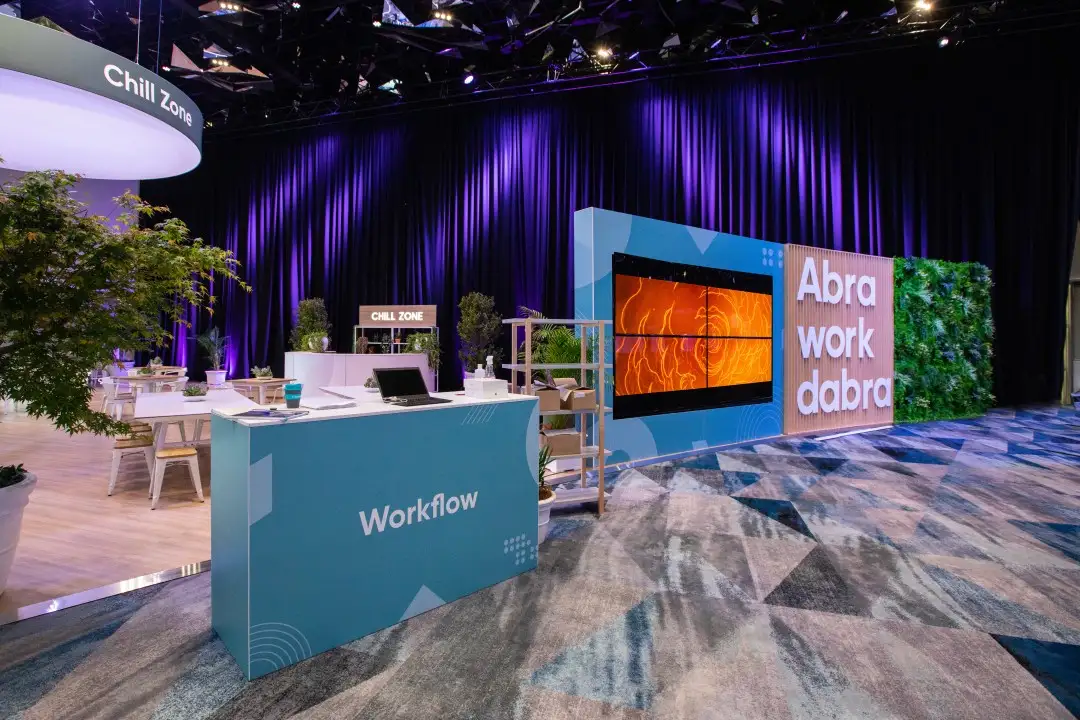
The appropriate technology stack has the potential to increase your sales outcomes at an exhibition drastically. The present lead-capturing and follow-up software will not leave a chance to get through the cracks and allows quick response time, which can transform prospects into customers.
2026 Lead Capture Tech Stack:
🔥 BEST Lead Capture Apps:
- iCapture/Captello: Captello mobile scan – CRM real-time.
- Swopcard: Networking + lead capture all-in-one.
- HubSpot Forms: Instantly, A/B/C auto-score.
📅 Scheduling: Integration between Calendly and Event App to book a meeting effortlessly.
🤖 CRM: Salesforce/HubSpot with auto-routing of hot leads.
⚡ Speed-to-Lead: Booth to sales rep mobile synchronized in less than 5 minutes with Zapier.
For more insight, see What is a skincare workshop?
8. Exhibition Sales Performance Benchmarks
Knowledge of industry standards allows you to have attainable goals and gauge achievements. Calculate these metrics and compare them with your performance, and identify areas of improvement. Benchmarking is essential for any successful exhibition sales strategy.
| Metric | Industry Standard | High-Performance Target | Tactic to Hit Target |
| Stop Rate | 5% | 12% – 15% | Open-flow layout + demo at edges |
| Qualification Rate | 15% | 25% – 30% | 3-min BANT + Sword technique |
| Pre-booked Meetings | 10 – 20 | 50+ | Week -4 to -1 campaign + VIP hook |
| Follow-up Speed | 3-5 Days | < 24 Hours | Real-time CRM sync + Zapier automation |
9. Real Results – Case Studies
Real-life case studies show that using these five steps leads to clear, measurable results. The following case studies demonstrate the practical effect of an effective exhibition sales strategy.
B2B Tech Company CES 2025 Case Study 1. ✅ Used all 5 steps – booked 47 meetings (compared to 18 last year) in advance. ✅ Stop rate was increased to 14% – Pipeline generated: $250K. ✅ ROI: 4.2x within 60 days post-event
The company is an exhibitor of food and beverages. ✅ Open-flow booth design + Sword technique – 40% visitor to lead conversion. ✅ 25 deals closed in the 30 days after the event with the Speed-to-Lead system.
10. Strategic Context: Essential FAQs and Risk Mitigation
In addition to the five steps, it is important to realize the bigger picture to scale your exhibition sales strategy. The following section answers the frequently asked questions and provides the way to deal with risks. It links the action at the tactical level with management-level insights.
Deep-Dive Sales Director Questions
Q: What is the so-called Speed-to-Lead, and why is it important?
A: Speed-to-Lead: This is the time interval between capturing the lead and the initial response. This is essential as the interest of prospects reduces by a large margin. The interest may decline by 50 per cent in 24 hours when an event is over.
Q: Which is better: Smaller Booth/Elite Staff or Large Booth/General Staff?
A: Smaller/Elite. Having a concentrated, highly-trained staff in a 10×10 area usually provides better ROI. It can produce 3x return relative to an unguided team in a 40×40 space which is much greater.
Q: What are the 3 main “Time-Wasters” to avoid?
They are the Swag Hunter, the Academic Researcher, and the Competitor Spy. Train your personnel to spot and disengage with these persons fast and in a polite manner. This safeguards precious selling time. Understanding these pitfalls is part of refining your exhibition sales strategy.
Q: Which one should come first, quantity of leads or quality?
A: Quality. The A leads are few and fetch high revenue. It is not a result of a large number of scans of C. Emphasize the qualification rather than numbers.
Discussing Risks and Strategic Consolidation
Reducing Human Fatigue: Human energy reduces considerably after every four hours. Introduce 2-hour shifts among your employees. This has kept your A-Team alive and sales-ready. Frequent breaks enhance performance.
The Vanity Metric Trap Should Be Avoided: You should not consider the number of badges scanned as a measure of success. Rather, use the number of qualified discovery calls booked on the floor as the measure of success. Pay attention to real steps and real sales funnel development. This mindset shift is crucial for your exhibition sales strategy.
The Best Idea: The information collected in one show gives life to your next. This would be your next exhibition. Step 1: Pre-Show intelligence. This builds a cycle of constant revenue increase and better promotion of the event.
Conclusion
It is a lifelong process of mastering your exhibition sales strategy. These are the five steps that allow you to go beyond exhibiting. You become a machine of a high-performing salesperson. Emphasize the pre-show planning, strategic booth design, and elite staff performance. Add to these are urgent on-site incentives and quick follow-ups.
Not only will you create more leads, but more deals as well. These are the strategies that you should implement to achieve significant growth in your exhibition returns on investment. A well-executed exhibition sales strategy transforms your booth into a revenue-generating powerhouse.


Trade Show Booth Size Guide: Dimensions, Rules, and Strategy
10 Common Trade Show Sales Mistakes When Selling at Beauty Booths
Cosmetic Brand Launch Strategy: How to Make a Powerful First Impression
Effective Strategies for Lead Capture at Events
Strategic Playbook for the Emerging Beauty Market: 2026–2030 Growth Guide
Skincare Workshop at Beauty Summit: What to Expect and How to Join