

Trade shows are very serious platforms, and more so among beauty brands. They provide a good opportunity to reach potential buyers on a personal level. Did you hear that 81 percent of people attending the trade show have buying power?
That is why learning how to sell at a trade show is essential to the development of your brand. We hope to make you transform inquisitive tourists into regular patrons.
This instructional manual will provide you with a step-by-step blueprint. You will know about the logistics before the show to the computation of your after-show return on investment (ROI). Get ready to make your trade show experience a big sale.
1. Strategic Preparation & Goal Setting for Trade Show Success
Success begins with proper preparation even before you set foot on the trade show floor. It is obligatory to define your goals. What do you want to achieve at the event?
Specific, measurable, achievable, relevant, and time-bound (SMART) KPIs can quantify your efforts. This is one of the proactive strategies in the process of knowing how to sell at a trade show.
Ask yourself what success will entail for your brand. Is it direct selling, new leads, or greater brand exposure? A clear set of objectives will help shape your strategy. They make you direct your resources where they will have the greatest impact.
Table 1: Trade Show KPI Framework
| Goal Type | Primary Metric (KPI) | Beauty Brand Example |
| Direct Sales | Total Revenue / Units Sold | Selling 500 “Event-Only” Starter Kits |
| Lead Generation | Number of Qualified Leads | Capturing 50 Spa Owner contacts |
| Brand Awareness | Social Mentions / Booth Visits | 200 Instagram Tags using the event hashtag |
These initial objectives are starting points for planning ROI. All these measures will be on record during and after the event. This will enable you to measure your performance.
A clear outline is a guarantee that all actions are in line with your goals. It makes your trade show experience a business investment.
For more insight, see What is a skincare workshop?
2. Mastering Your Booth & Team for Optimal Selling
Your booth is the physical storefront of your brand in the show. Your group is the mouthpiece of your brand. The two should collaborate to attract visitors and ensure a pleasant experience. Understanding how to sell at a trade show means maximising these two aspects.
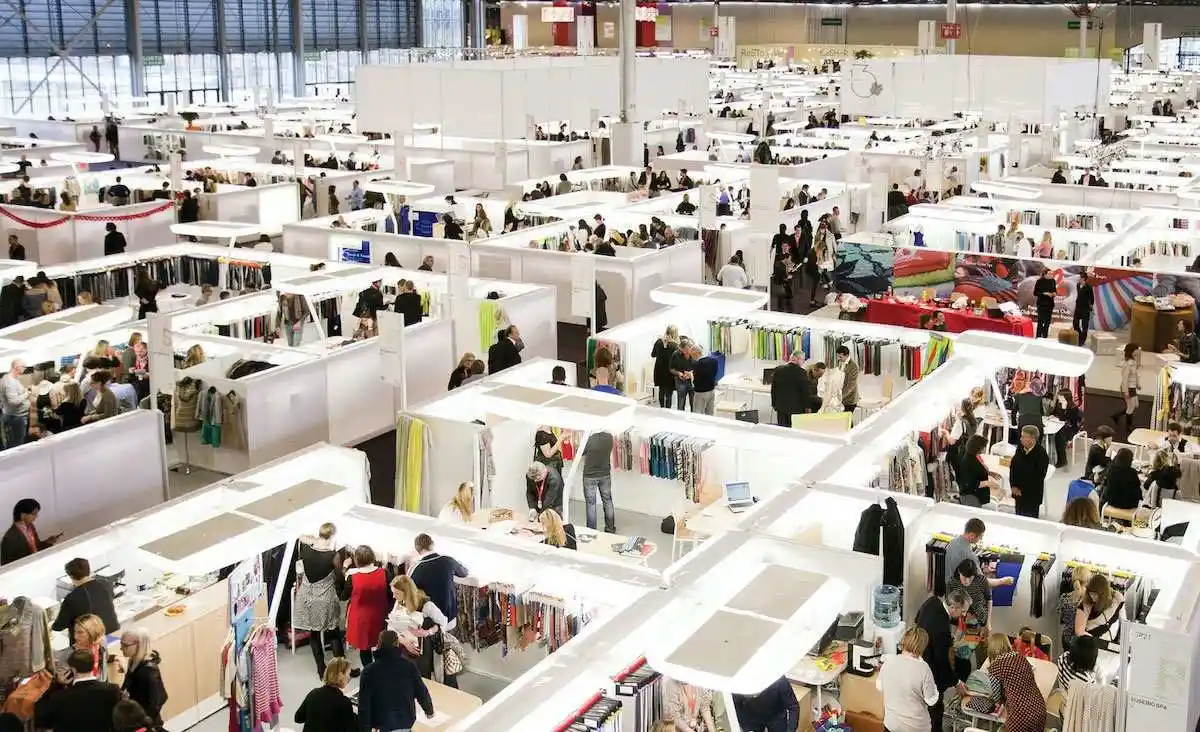
2.1. Designing an Irresistible Booth
The 3-second rule is crucial to the design of the booth when you learn how to sell at a trade show. You will only have minutes to get the attention of an attendee. Your booth must be initially attractive.
Apply transparent branding, friendly designs, and aggressive product presentation. Ensure that people are able to view what you have to offer them with ease.
The lighting is a hidden sales force for beauty products. It has a great influence on the perceptions of products. The right makeup shades and skincare textures look true-to-life with the help of proper lighting. Use the appropriate light to shine on your products.
Table 2: Lighting Selection for Maximum Visual Impact
| Light Type | Color Temp | Impact on Beauty Products | Recommendation |
| Daylight LED | 5000K – 5500K | Shows true pigment and skin texture | Must-have for makeup/skincare |
| Warm White | 2700K – 3000K | Creates a “cozy” vibe but distorts colors | Use for lounge areas only |
| High CRI (>90) | N/A | Makes packaging and colors “pop” | Essential for premium branding |
2.2. Training Your Professional Sales Team
Engagement is impacted by behavior in your team. Make sure your team is also aware of the most common trade show sales mistakes so they can avoid costly errors on the floor.
It is best to be at your booth always; sitting makes one look out of business. Standing Research reveals a 42 percent improvement in engagement. Your posture and being are important.
A clear, 30-second elevator pitch is essential for every one of your team members. This is a summary of your brand in terms of a unique selling proposition (USP). It must be eye-catching and show your worth in a nutshell. These short, powerful speeches are perfected by practice.
Delegating particular personnel tasks improves productivity as well. There is a Greeter who can greet the visitors and initiate conversation. Products can be displayed by a “Demonstrator”.
A “Closer” is concerned with closing sales or getting leads. Well-defined roles assist your team in working as a unit.
3. Engaging & Selling on the Floor: Customer-Centric Approaches
The magic of selling at the trade show occurs in person-to-person interactions. It is essential to go beyond the general greetings. Pay attention to establishing valuable interactions. Then promote smart selling to translate interest into action when you learn how to sell at a trade show.
3.1. Engaging the Customer’s Senses
Begin with sensual icebreakers. Rather than Can I help you?
Would you like to feel this texture? or “Smell our new serum. This brings in engagement and pulls one to the touch of beauty.
It makes your products more physical. This technique is vital when you learn how to sell at a trade show.
The Swatch and Smile demo is a successful three-step flow. To begin with, wipe a small piece of skin. Second, use the product in an understandable way.
Third, discuss the advantages as you implement. This produces a small-scale experience for the visitor. It also creates trust and displays product quality.
It is important to qualify leads in the process of these interactions. Check on the body language and questions. Are they mere Swatch-Collectors seeking gratuities?
Or do they request ingredients, bulk orders, or long-term benefits as High-Value Buyers? You should invest your efforts in those who are seriously interested.
3.2. Consultative Closing Techniques for Beauty
Consultative sales strategy can, in most cases, be more effective than hard selling in beauty. Education and problem-solving build trust. Aggressive tactics may drive customers away.
Be more of a trusted advisor than a salesperson. This approach is essential for anyone wanting to know how to sell at a trade show successfully.
Table 3: Sales Approach Comparison
| Feature | Hard Sell (Avoid) | Consultative Sell (Adopt) |
| Opening | “Buy this, it’s 30% off today!” | “Based on your skin type, this serum solves…” |
| Focus | Product Features | Customer Transformation/Results |
| Relationship | Transactional | Trusted Advisor |
Get to know how to deal with objections. The method to use is the Feel-Felt-Found. Empathize: “I can see you are unhappy about the price. Relate: “This has been the case with many customers at first.
Decision: But they discovered the benefits of the long-term were more than the expense. This justifies their concern and also provides a solution.
Offer urgency by using Show-Exclusive kits or bundles. Offer special prices or promotions available only during the trade show. This stimulates instant buying.
It will be value-added and provide exclusivity to visitors. This is one of the proven means of selling more on-site. Mastering how to sell at a trade show includes creating this sense of urgency.
4. Post-Show Success: Follow-Up & Measuring Your ROI
The journey of your trade show does not stop as soon as the doors are closed. Follow-up is very important. It translates leads to real sales.
Estimating your ROI also assists you to perfect your future strategies. This is the last step that is important to any business learning how to sell at a trade show.
4.1. Effective Follow-Up Strategies
Follow the 48-Hour Conversion Rule. Speed-to-lead is essential in achieving the highest ROI. The faster you follow up, the better your chances of conversion. Visitors get lots of contacts; yours must be memorable.
The timely action is professional and committed. This follow-up strategy is crucial when you want to know how to sell at a trade show effectively.
Split your leads. Leads are not made the same. Follow-up depending on the level of interest and needs of your followers.
This makes the communication personalized. It makes your message more applicable and effective. Specific strategy is more effective.
Table 4: Lead Segmentation & Follow-Up Action Plan
| Lead Segment | Priority | Follow-Up Action |
| Wholesale/B2B | High | Personal call + Digital Catalog (Within 24h) |
| Retail Buyer | Medium | “Thank you” email + Discount code (Within 48h) |
| Influencer/Press | High | Media Kit + Sample offer (Within 3 days) |
4.2. Calculating Your Trade Show ROI

It is necessary to know what your investment returns are. It will make you know whether you made a profit in your endeavors. Simple ROI formula: ( Total revenue- total cost)/ total cost x 100.
This figure indicates the gain or loss expressed in percentages. Monitor all costs strictly. Understanding ROI is a key part of learning how to sell at a trade show profitably.
Presuppose booth area, expenses on staff, transportation, and advertising. Compare these expenses with direct sales and the estimated number of leads captured. The monetary value can be an addition to brand awareness. A descriptive tracker is to paint the entire picture.
Table 5: Sample Trade Show Budget & ROI Tracker
| Expense Item | Budget | Actual Sales/Value |
| Booth Space & Setup | $3,000 | Direct Sales: $5,500 |
| Inventory & Samples | $1,500 | Est. Lead Value: $10,000 |
| Staffing & Travel | $2,000 | Brand Reach: 5,000 Impressions |
| Total Cost | $6,500 | Total Value: $15,500+ |
This tool will assist you in tracking your money. It also displays the real and non-real value which you acquired. This information would be invaluable when planning in future.
It will enable you to plan your next event strategy optimally. Every brand learning how to sell at a trade show needs a solid ROI tracking system.
5. Expert FAQ: Common Questions on Selling at a Trade Show
Movement through a trade show may raise numerous questions. The following are responses to some of the concerns when learning how to sell at a trade show.
How do I stand out with a small budget?
Emphasize innovation and originality. Banners and product images are powerful branding tools to use. Prefer Live demonstrations to costly exhibits.
Your greatest asset can be a well-trained, motivated team. Give out individual, tiny promotional gifts that are not forgettable.
Should the Founder or a professional model do the demonstrations?
Both have benefits. A founder is a source of passion and in-depth knowledge of the product. This forms a strong relationship. An expert model guarantees a perfect application and presentation.
Take a compromise: founder key presentations, models, and continuous demos. In beauty, authenticity usually prevails.
What are the best-performing impulse items for beauty booths?
Mini, travel-size products are effective. It is good with lip balms, sheet masks, or mini hand creams. They are cheap and enable the customers to sample your brand. Branded makeup bags are also unique accessories that may act as attractive impulse purchases.
How do I follow up with leads without being annoying?
Personalize your message. See a particular discussion you had at the booth. Offer value, such as an exclusive piece of content or a free sample.
Do not use general sales messages. Keep it short and do not waste their time. Unless they reply within several, go on. Quality over quantity is key.
Beauty brands have strong forces at trade shows. They provide a special opportunity to meet and develop. Through preparation, involvement, and follow-up, you will open up enormous opportunities. Learning how to sell at a trade show will elevate your brand to new heights.
Always, it is in good planning and authentic engagement. Get our Trade Show Success Checklist to get ready to the next event. Ensure that your upcoming trade show is the most successful.


Beauty and Aesthetics Conference: 5 Game-Changing Expert Takeaways You Cannot Miss
Global Cosmetics Expo: Top 5 Key Insights For Shaping Beauty’s Future
Trade Show Booth Size Guide: Dimensions, Rules, and Strategy
Vietnam Business Opportunities in 2026: Comprehensive Guide for Investors
Professional Guide to Cosmetics Distributors in Moldova: Top Partners and Market Entry Strategies
Cosmetic Brand Launch Strategy: How to Make a Powerful First Impression