
The global beauty market is changing fast. Traditional markets like China and Europe are slowing down in growth. Investors and cosmetics brands are now turning their eyes to Southeast Asia. The Southeast Asia Beauty Hub is becoming one of the most exciting regions in the world.
Statista estimates the SEA beauty market will reach USD 30.6 billion by 2025. In this landscape, Vietnam is rising quickly—not only as a consumer market, but also as a key hub for digital commerce and cosmetic production.
Multi-Polar SEA Market: Competitive Dynamics of the Southeast Asia Beauty Hub
The Southeast Asia Beauty Hub does not have one single leader. No one country controls the whole market. Instead, each country focuses on what it does best. This shared structure actually makes the region stronger overall.
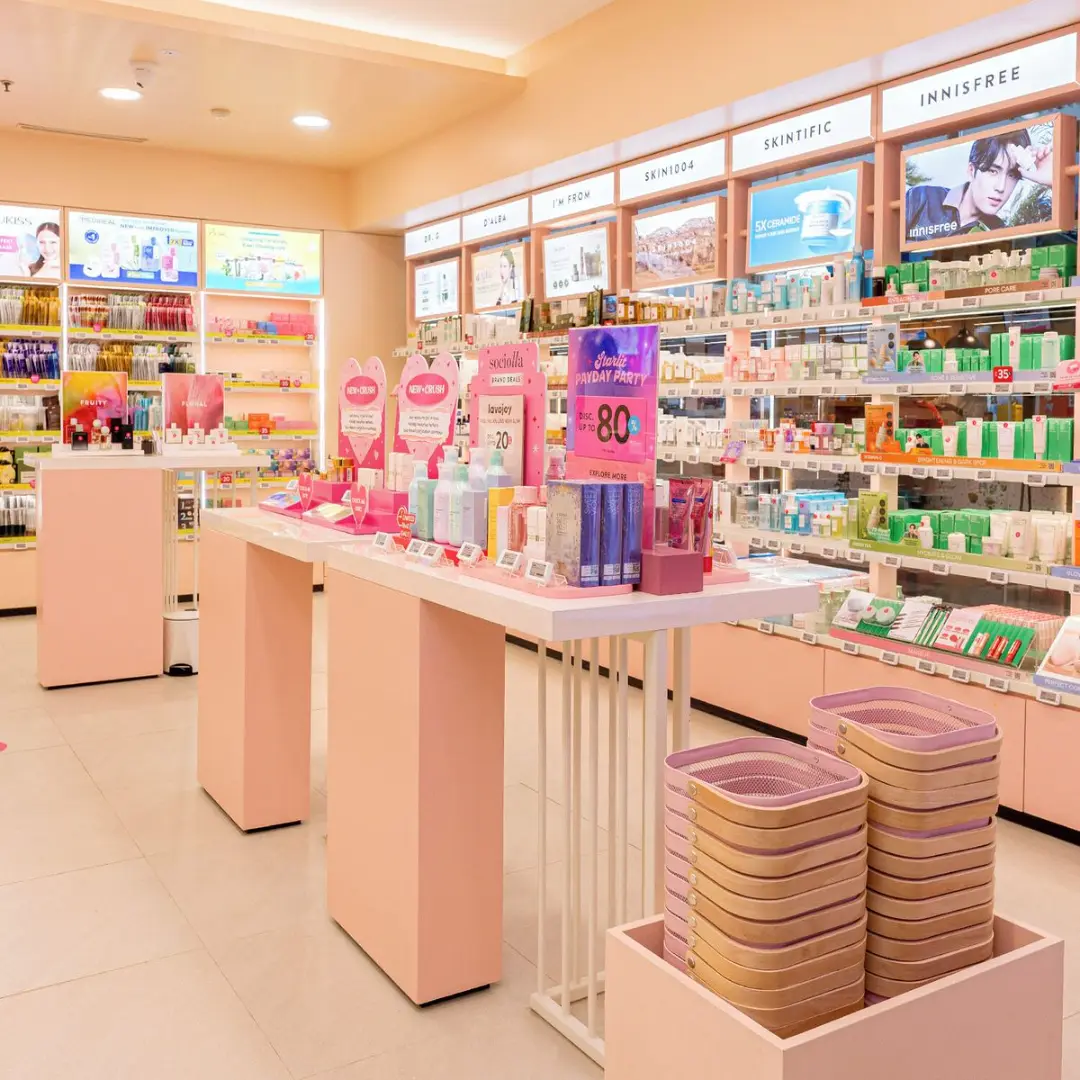
Analysis of Regional Strengths
Singapore is the R&D and beauty technology center. It has strong infrastructure and solid intellectual property laws. These factors attract high-quality research projects in skincare and cosmetic innovation.
Thailand is the mass-market manufacturing hub. It has a mature OEM/ODM setup and a strong chemical supply chain — especially for products like sunscreens and retinols.
Indonesia is the high-volume consumer powerhouse. With a massive population and strong demand for Halal-certified products, it offers huge scale for cosmetics brands.
Vietnam is the digital-first growth engine. It stands out for its fast-growing social commerce scene. Demand for natural beauty treatments and sustainable ingredients is also rising.
Comparative Analysis of SEA Beauty Hubs (2025 Metrics)
| Country | Est. Market Size (2025) | Projected CAGR | Primary B2B Strength | Key Investor Appeal |
| Thailand | ~USD 6.7 Billion | 5.4% | Mature OEM/ODM | Chemical Supply Chain |
| Vietnam | ~USD 2.8 Billion | 9.2% | Social Commerce | China+1 Strategy |
| Indonesia | ~USD 9.5 Billion | 6.5% | Halal/Mass Market | Demographic Scale |
| Singapore | ~USD 1.2 Billion | 3.2% | Premium/Niche | R&D & Logistics |
Sources: Statista, Euromonitor, Kearney Analysis.
Manufacturing and Supply Chain Strategy: The Role of Vietnam in the Global Makeup Industry
For B2B companies looking for new production locations in the Southeast Asia Beauty Hub, Vietnam is a strong option. The main reason is the “China+1” trend — as global trade shifts, more brands want to move production out of China. Higher costs and US–China trade tensions have led more foreign investors to choose Vietnam for cosmetic manufacturing.
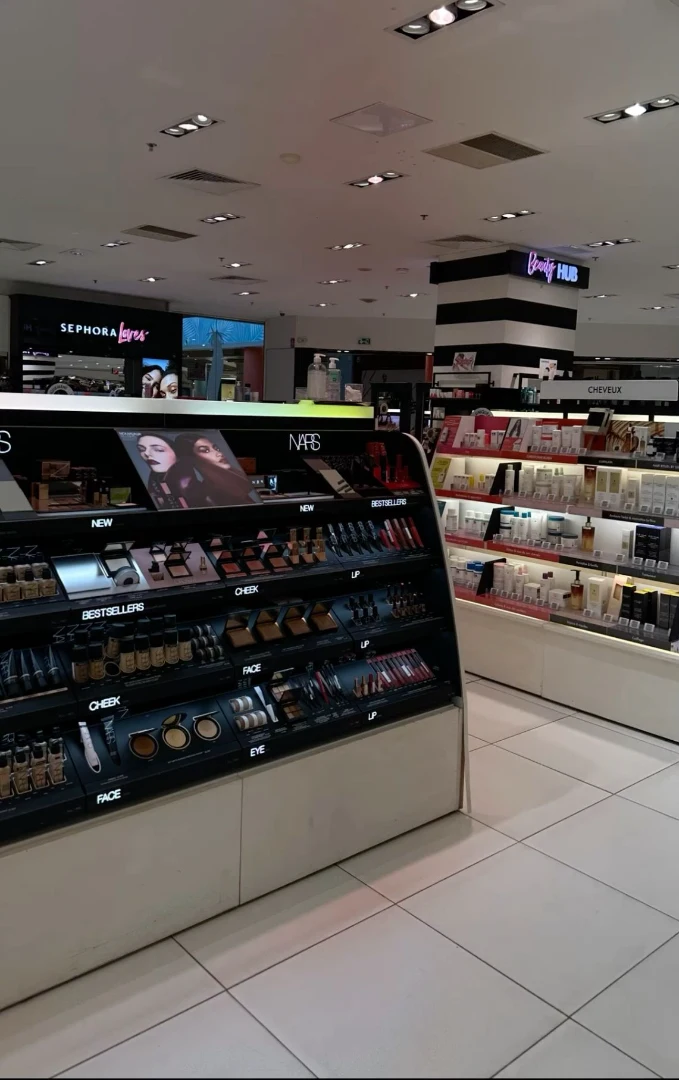
Vietnam vs. Thailand: Strategic Choice
Thailand has the edge when it comes to an established chemical ecosystem — especially in areas like Rayong and Chonburi. It is best for heavy, chemical-based products like sunscreens and retinols. But Vietnam has its own advantages, especially for newer brands or those that need more flexibility.
Vietnam’s manufacturing sector is very friendly to smaller companies. Minimum Order Quantities (MOQs) are usually between 1,000 and 5,000 units. Labor costs are also 30–40% lower than in Thailand.
The number of cGMP (ASEAN)–certified factories in areas such as Binh Duong and Long An is growing rapidly. These factories now meet global quality standards. This makes Vietnam a serious option for all kinds of production needs.
For more information, see the Vietnamese cosmetics market.
The “Green” Raw Material Edge
Vietnam also has a strong advantage in natural raw materials. Areas like Ben Tre produce high-quality coconut oil that is in high demand for hair care and skincare products. New extracts from coffee and turmeric — rich in antioxidants — are also emerging. These fit perfectly with the growing consumer interest in natural beauty treatments.
Development of Quality Standards
Vietnam’s manufacturing industry is still evolving, but it is moving fast toward international compliance. Certifications like ISO 22716 are becoming more common. These certifications are essential for exporting to strict markets such as the US and Europe. They also help products made in Vietnam compete effectively on the global stage.
Consumer Patterns and Online Supremacy: Why Vietnam Leads the Southeast Asia Beauty Hub
Vietnam is a consumer-first market and a leader in online shopping within the Southeast Asia Beauty Hub. The country is a perfect example of how social commerce is reshaping the beauty industry.
The New Social Commerce Boom
Vietnam has the highest TikTok Shop penetration and conversion rates in the Southeast Asia Beauty Hub. This shows just how active and engaged Vietnamese consumers are online.
According to Metric.vn (2024), beauty has consistently been the top revenue-generating category on Vietnamese e-commerce platforms. People here are buying skincare products, makeup, and more through social media and online stores at a very high rate.
The KOC (Key Opinion Consumer) Ecosystem
Vietnam’s beauty market is driven by KOCs — real users who share honest recommendations. This is very different from Thailand’s approach, which relies more on celebrity-driven beauty influencers. Decision Lab reports that social media reviews influence 75% of Gen Z beauty purchases in Vietnam, more than traditional ads. This shows how strong peer influence is in the Vietnamese beauty world.
The Cosmetic Boom of High-End and Dermo-Cosmetics
Vietnamese consumers are clearly shifting toward more scientific and high-quality skincare solutions. This trend leads to growing demand for dermo-cosmetics and specialized treatments in aesthetic clinics. Brands like Obagi and La Roche-Posay, along with local clinical brands, are seeing strong growth.
A big reason for this is the growing middle class. According to McKinsey, Vietnam’s consuming class is expected to grow by 36 million people by 2030. This will give more consumers the income to spend on premium beauty and anti-aging solutions.
Aesthetic Services and Medical Tourism
Vietnam is also becoming a new destination for non-invasive dermatology services and aesthetic treatments. Fillers, dental care, and laser therapies are drawing a new wave of wellness tourists. Costs for dental and skin treatments in Vietnam can be 30–50% lower than in Singapore or Thailand. This positions it as a strong player in the wellness tourism space. It also creates growing opportunities for beauty salons and luxury spas.
Outlook and Challenges Vision 2025-2030: Maneuvering the Vietnam Cosmetics Landscape
Vietnam’s future in the beauty market looks bright. But to get there, some real challenges need to be tackled. Here is what brands and investors should keep in mind as they plan for 2025–2030.
Addressing the “Trust Gap”
One of the biggest challenges is the “grey market” — fake products that undermine consumer confidence. To fight this, brands should set up official storefronts on major platforms like Shopee, Lazada, and TikTok Mall. Selling through these official channels helps verify that products are genuine and builds trust that supports long-term brand loyalty.
The Raw Material Bottleneck
While Vietnam’s manufacturing capacity is growing, the country still imports around 80% of its chemical inputs for cosmetics production. This dependence is a risk. One smart move for investors is to seek out domestic partnerships. Working with local suppliers can help build stronger, more stable supply chains and reduce the need for imports over time.
Vision 2030: Better as an Exporter than a Cultural Importer
Vietnam has a bold plan for the future — called V-Beauty 2030. The goal is to move beyond being just an OEM destination that produces for other brands. Instead, the country aims to export its own beauty brands globally. This mirrors the success of K-Beauty from South Korea.
Vietnam is positioning itself as a gateway to Indochina. It is leveraging its geographic advantage to become a key distribution hub for emerging markets such as Laos and Cambodia. Together, these efforts are expected to drive faster growth and expand the global cultural influence of Vietnamese beauty brands.
Supplemental FAQ
Is Thailand cheaper to manufacture in than Vietnam? In terms of labor cost and minimum order quantities, Vietnam is actually the cheaper option. Labor costs are only 30–40% of Thailand’s. That said, Thailand still has the edge for large-volume, chemically complex products thanks to its more developed supply chain.
Does Vietnam require Halal certification for cosmetics? Halal certification is not required for domestic sales in Vietnam. However, it provides a competitive advantage when exporting to markets with large Muslim populations, such as Indonesia and Malaysia.
How does the EVFTA affect cosmetics? The EU–Vietnam Free Trade Agreement (EVFTA) allows many European beauty brands and ingredients to enter Vietnam duty-free. This helps keep costs lower for both consumers and manufacturers. It also increases the range and quality of beauty products available in the market.
What are the differences between KOCs and Influencers in Vietnam? KOCs (Key Opinion Consumers) are everyday users who actually test and review products. Their credibility comes from being real and relatable.
Influencers are often celebrities or public figures with large followings. Their content often presents an ideal lifestyle. In Vietnam, however, KOCs tend to deliver higher conversion rates because consumers see them as more honest and trustworthy.
Conclusion
Southeast Asia Beauty Hub in 2025 will be shaped by strengths. Vietnam is emerging as the region’s high-growth engine for digital commerce and cosmetic manufacturing. From the TikTok-driven KOC movement to the rise of sustainable and green production, Vietnam offers a distinct competitive advantage. This role complements the more mature beauty industries of Thailand and Singapore. For brands aiming to succeed globally, Vietnam serves as a key market that links today’s challenges with future growth.


How to Optimize Sample Distribution at Trade Shows
Exhibition Booth for Beauty Brands: 10 Reasons You Shouldn’t Miss
10 Common Trade Show Sales Mistakes When Selling at Beauty Booths
Skincare Workshop at Beauty Summit: What to Expect and How to Join
Beauty Product Advertisement Script for Beauty Booth Consultations That Convert
Strategic Playbook for the Emerging Beauty Market: 2026–2030 Growth Guide