

Have you ever noticed a small dent on your chin? It might show up as a subtle crease or a deeper dip. These interesting facial features, which we call chin dimples, catch people’s attention and look different on everyone.
Understanding what causes them helps you know your options if you want to change how they look. Whether you love your unique look or want a smoother profile, this guide will explain everything about chin dimples. We’ll explore where they come from, how you can treat them, and what people think about them.
What Are Chin Dimples? Understanding the Causes and Types
Chin dimples are distinct dents that appear on your chin. Doctors usually group them into a couple of main types, and each type has a different origin story. These formations show us how complex our facial features are and how they develop.
Different things cause these skin indentations, from genetics to specific muscles doing their job. Knowing which type of dimple you have can help you understand how to treat it. Let’s explore the main differences in dimple formation.
The Cleft Chin: A Result of Your Genetics
People often call this type a “cleft chin.” It shows up as a noticeable groove or Y-shaped dent in the middle of your chin. This type clearly shows how genetics work—your parents pass this trait down to you.
Your two jawbones fuse together during embryonic development. Sometimes, instead of joining completely smooth, a small gap or dent stays behind. This creates the special chin anatomy we see.
If one of your parents has a cleft chin, you have a higher chance of developing one too. This shows how strongly genetics influences this feature.
The ‘Pebble Chin’: Caused by an Overactive Muscle
Another common type, the “pebble chin,” also goes by the name “orange peel chin.” Genetics doesn’t cause this appearance the same way it causes a cleft chin. Instead, an overactive mentalis muscle creates these many small dents.
The mentalis muscle sits at the tip of your chin. This muscle structure helps you make expressions like pouting or raising your lower lip.
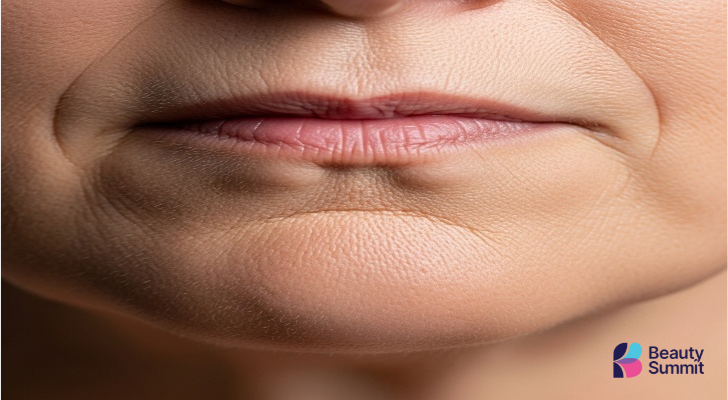
When this muscle contracts strongly or does so often, it creates a textured, dimpled surface on your skin. Many people notice this effect becomes more visible over time.
How Aging Contributes to a Dimpled Chin Appearance
As we age, our skin and the tissues underneath go through many changes. These changes can also affect how chin dimples look.
For example, your skin loses elasticity and your body makes less collagen. This loss of firmness can make existing dents look more obvious.
Also, fat pads in your face shift position, and your bones gradually lose some mass. This changes your overall chin anatomy and might highlight dimples or create new textures. Your skin may look looser, which emphasizes the muscle movements or bone structure underneath.
Non-Surgical Treatments for a Smoother Chin
People who want to reduce how their chin dimples look have several non-surgical options. These treatments give you effective ways to get a smoother chin contour without needing invasive procedures. They represent a popular form of cosmetic enhancement.
The right treatment depends on what specifically causes your dimples. A professional consultation will help you figure out the best approach for your unique facial features. Let’s explore two common and effective non-surgical methods.
Relaxing the Muscle: How Botox Injections Work
Doctors widely know Botox as a treatment for wrinkles and dimples that movement causes. It specifically targets the muscle activity that creates a “pebble” or “orange peel” chin. This approach focuses on relaxing the overactive mentalis muscle.
The Goal: To smooth a ‘pebble’ or ‘orange peel’ chin texture that muscle movement causes.
The Process: A quick procedure where doctors give you small injections to relax the overactive mentalis muscle. The neurotoxin temporarily blocks nerve signals to the muscle.
The Outcome: Your chin surface becomes noticeably smoother, and results typically last 3-4 months. You need regular treatments to maintain the effect you want.
Adding Volume: The Role of Dermal Fillers
Dermal fillers offer a different approach—they focus on adding volume beneath your skin. They work really well for dimples that don’t move, creases, or cleft chins. Fillers plump up the area.
The Goal: To fill in a dimple that doesn’t move, a crease, or a cleft chin.
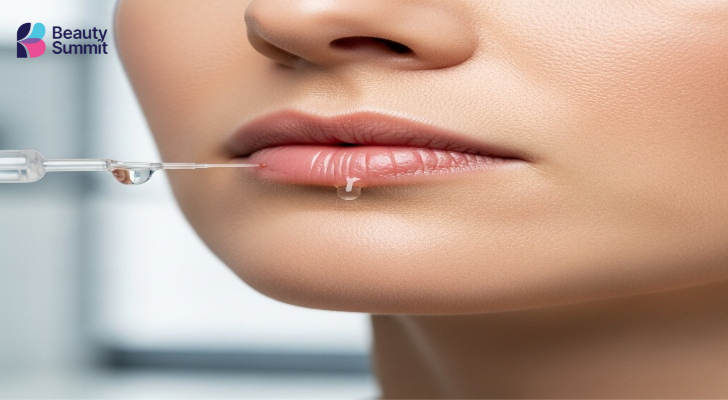
The Process: Doctors inject a gel-like substance (usually hyaluronic acid) to add volume and lift the dent. This helps create a more even surface.
The Outcome: You see an immediate improvement in your chin’s contour. Results can last from 6 to 18 months, depending on the filler type and how your body processes it.
For a clearer comparison of these non-surgical treatments for chin dimples, see the table below:
| Treatment Type | Primary Goal | Mechanism | Typical Duration |
| Botox Injections | Smooth ‘pebble’ chin texture from muscle activity | Relaxes overactive mentalis muscle | 3-4 months |
| Dermal Fillers | Fill static dimples, creases, or clefts | Adds volume beneath the skin | 6-18 months |
Surgical and Permanent Solutions for Chin Contouring
People who want more lasting or definite changes to their chin anatomy can choose surgical options. These procedures can address both types of chin dimples and offer significant cosmetic enhancement.
People often choose them when non-surgical methods might not achieve the aesthetic appeal or longevity they want.
Surgical treatments typically need longer recovery times but give you enduring results. You need to have a thorough discussion with a qualified surgeon to understand the best approach for your specific needs. These options can dramatically reshape your chin area.
Fat Grafting: A Natural and Long-Lasting Filler
Fat grafting, which people also call fat transfer, uses your body’s own fat to add volume to your chin. This method works excellently for filling in dimples or improving your overall chin contour. It gives you a very natural-feeling result because it uses living tissue.
During the procedure, doctors harvest fat from another part of your body, like your abdomen or thigh, using liposuction. They then process the fat and strategically inject it into your chin area to fill dents and create a smoother appearance.
The results typically last a very long time because the transferred fat establishes a new blood supply.
Chin Implants (Genioplasty): The Definitive Structural Solution
Chin implants, or genioplasty, provide a structural change to your chin. This surgical procedure involves inserting a custom-sized implant to enhance your chin’s projection, width, or to smooth out a prominent cleft. It offers a permanent change to your underlying bone structure.
Doctors typically make the implant from a biocompatible material, such as silicone. They shape it precisely to fit your individual facial features.
A surgeon carefully places the implant over your existing chin bone, often through a cut inside your mouth or under your chin. Genioplasty provides a definitive solution for people who want a significantly different or more balanced chin profile.
The Opposite Goal: How Dimpleplasty Can Create a Chin Dimple
Many people consider treatments to reduce or eliminate chin dimples. However, others want to create them. Dimpleplasty is a cosmetic surgical procedure that doctors design to create dimples where none existed before. Doctors can perform this procedure on the cheeks or, less commonly, on the chin.
The desire for these distinctive beauty marks highlights their unique aesthetic appeal. Creating a chin dimple involves a simple, minimally invasive surgery. It works for people who find the skin indentation charming and wish to enhance their facial features in this specific way.
An Overview of the Surgical Procedure
Doctors typically perform chin dimple creation, or dimpleplasty, under local anesthesia. The surgeon makes a small cut inside your mouth, so no external scars show up.
Doctors carefully remove a small amount of muscle and fat to create a natural depression.
Then, they place a permanent suture to connect your skin to the underlying muscle or tissue. This effectively creates the desired skin indentation. This creates the dimple when you smile or move your chin. The procedure usually takes about 20-30 minutes per dimple.
What to Expect During Recovery
Recovery from dimpleplasty generally goes smoothly and happens quickly. You can expect some minor swelling and tenderness in your chin area for a few days after the procedure. Pain usually stays minimal and you can manage it with over-the-counter pain relievers.
Most people can return to their normal activities within a day or two. You need to keep your mouth clean during recovery. This often requires special mouth rinses to prevent infection at the internal cut site.
The dimple may appear pronounced at first but will soften over several weeks as the tissues heal and settle into their new shape.
Making an Informed Decision About Chin Treatments
Deciding whether to pursue treatment for your chin dimples, or even to create them, involves a personal choice. It requires careful thought about your goals, the available options, and potential outcomes. Making an informed decision matters most for satisfaction with any cosmetic enhancement.
You should approach this process with realistic expectations and thorough research. Understanding the specifics of each procedure, from non-surgical to surgical, will empower you. This ensures you choose the path that fits best for your individual aesthetic appeal.
The Crucial Role of a Professional Consultation
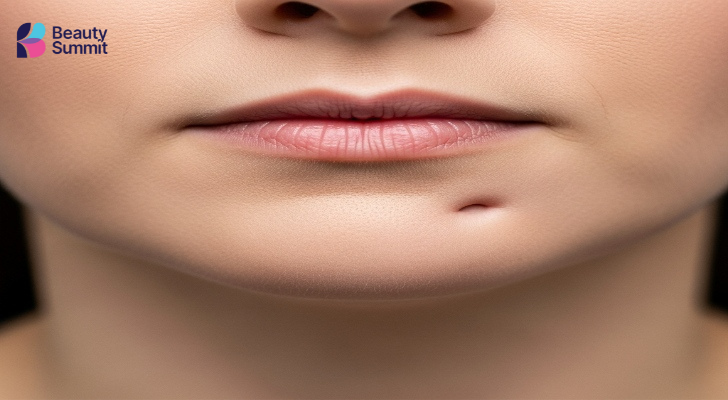
Before you undergo any procedure, a consultation with a qualified professional is absolutely essential. This initial meeting lets you discuss your concerns, desired results, and medical history. The expert can assess your specific chin anatomy and the nature of your dimples.
During the consultation, the specialist will recommend the most appropriate treatment plan tailored to you. They will explain the procedure in detail, including potential risks, benefits, and expected recovery. This personalized advice helps you make a confident decision.
How to Choose a Board-Certified Dermatologist or Plastic Surgeon
Selecting the right practitioner is perhaps the most critical step. Always choose a board-certified dermatologist or plastic surgeon. Board certification shows that a doctor has met rigorous standards of training, experience, and ethical practice.
Research their experience with chin dimples and related procedures. Look at before-and-after photos of their previous patients.
Read reviews and make sure you feel comfortable and confident with their approach. Your safety and satisfaction depend heavily on your chosen professional’s expertise.
Explore related topics: soothing cleanser for rosacea | balancing face toner | hair removal strips for face | matte contouring bronzer
Your Chin Dimple Questions Answered
People commonly have many questions when considering changes to their facial features. Here, we address some of the most frequently asked questions about chin dimples, their causes, and their various treatments. This section aims to provide clear, simple answers to help you better understand your options.
Common Questions About Chin Causes and Treatments
Is it possible for a chin dimple to disappear naturally?
A true genetic cleft chin will very unlikely disappear naturally. However, if muscle activity primarily causes your chin dimples (a “pebble chin”), their visibility might change with muscle tension or subtle shifts over time. But they generally don’t fully go away without intervention.

What is the difference between a chin dimple and a cleft chin?
A “cleft chin” is a specific type of chin dimple. It shows up as a distinct, often Y-shaped, groove in the center of your chin, and genetics primarily causes it.
A “chin dimple” can be a more general term. It refers to any dent, including the multiple, smaller dents of a “pebble chin” that muscle activity causes. The key difference lies in their genetic versus muscular origin.
What are the main categories of chin dimple treatments?
Treatments for chin dimples generally fall into two main categories: non-surgical and surgical. Non-surgical options include injectables like Botox (for muscle-related dimples) and dermal fillers (for dimples that don’t move or clefts).
Surgical options include fat grafting and chin implants (genioplasty) for permanent structural changes, or dimpleplasty for creating dimples.
How does Botox for the chin differ from using dermal fillers?
Botox and dermal fillers address different causes of chin dimples. Botox relaxes the mentalis muscle, which effectively smooths out a “pebble chin” that muscle contractions cause.
Dermal fillers, on the other hand, add volume beneath your skin to fill in dents that don’t move, creases, or a cleft chin. One targets muscle movement, while the other targets volume deficiency.
Final Thoughts
Understanding your chin dimples and the diverse array of available treatments empowers you to make informed decisions about your aesthetic journey. Whether you choose to embrace your natural facial features or explore options for cosmetic enhancement, remember to consult with experienced professionals. They can guide you toward achieving your desired aesthetic appeal and ensure safe, satisfying results.


Makeup for Beginners – The Ultimate Step-by-Step for Absolute Beginners
Lash Brow Tint: Benefits, Process & Safety Guide (2026)
Sun Exposure After Laser Hair Removal: Safety Guide & Recovery Timeline
Mini Facelift: 5 Facts for a Youthful Lower Face
How to Choose A Foundation Shade: A Step-by-Step Guide
How to Clean Makeup Brushes: A Professional Guide to Better Skin and Tool Longevity